















































YouTube has permanently shut down two high-profile movie trailer channels, Screen Culture and KH Studio, for allegedly disseminating misleading AI-generated videos. The channels, based in India and Georgia respectively, collectively garnered over two million subscribers and more than a billion views before their removal from the platform.
First reported by Deadline, both channels have disappeared from YouTube search results, with their URLs displaying a message indicating that the pages are no longer available. Screen Culture and KH Studio were accused of merging official studio footage with AI-generated scenes to create fake “official” trailers for eagerly awaited films, a tactic designed to attract clicks and engagement.
YouTube had previously suspended advertisements on these channels after identifying violations related to misleading content and a failure to disclose the synthetic nature of the media they produced. Following the ad suspension, both channels attempted to regain monetization by labeling their videos as “fan trailers” and “parodies,” but they later removed these disclaimers. This led to repeated violations and ultimately resulted in their termination from the platform.
YouTube’s content policy explicitly prohibits misleading clickbait, false thumbnails, and deceptive video footage aimed at misleading viewers. The platform mandates that creators disclose any “meaningfully altered or synthetically generated content that seems realistic,” which includes AI-generated scenes depicting events that never took place. In a statement to The Verge, YouTube spokesperson Jack Malon noted that after both channels were readmitted to the YouTube Partner Program, they reverted to clear violations of the platform’s spam and misleading metadata policies, leading to their expulsion.
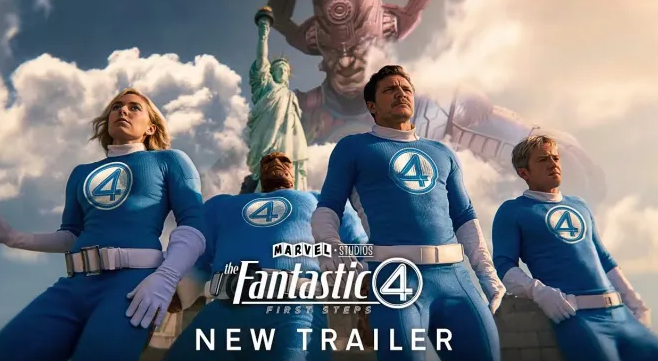
Nikhil P. Chaudhari, founder of Screen Culture, revealed that he employed more than ten editors to produce AI-assisted fake trailers at a rapid pace. The strategy involved posting speculative trailers for blockbuster titles early and frequently updating them to manipulate YouTube’s recommendation and search algorithms. For example, Screen Culture reportedly uploaded 23 different fake trailers for Marvel’s The Fantastic Four: First Steps, with some of these outranking official studio uploads in search results. Similar strategies were employed for other popular franchises, including HBO’s Harry Potter series and Netflix’s Wednesday.
The termination of Screen Culture and KH Studio underscores YouTube’s increasingly stringent stance on undisclosed, realistic AI content that misleads viewers. While AI-generated trailers and fan edits remain permissible, the platform’s recent enforcement actions signal that failing to properly label synthetic media and repeatedly misusing metadata can now result in the loss of channels. This incident may set a precedent for how platforms will regulate AI-generated content in the future, reflecting growing concerns about misinformation and the integrity of digital media.
See also AI Image Generators Limit Creativity, Defaulting to 12 Common Styles, Study Reveals
 OpenAI Launches GPT-5 with Advanced Reasoning and Autonomous Agent Capabilities
 AWS Launches Bedrock AgentCore for Custom AI Agents, Enhancing Business Automation
 Meta Reveals AI Models ‘Mango’ for Video and ‘Avocado’ for Text, Targeting 2026 Launch
 Hybrid Reasoning Combines Symbolic and Statistical AI for Enhanced Accuracy and Trustworthiness