






















































Western Australia has reported significant enforcement results from its newly deployed safety camera program, with more than 31,000 infringements issued within the first month of operation. From October 8 to November 8, a total of 31,855 violations were recorded, including 12,288 for mobile phone use, 10,285 for seatbelt offences, and 9,282 for speeding offences. The robust data from the camera systems highlights concerning trends in driver behaviour, prompting state officials to implement measures to bolster road safety.
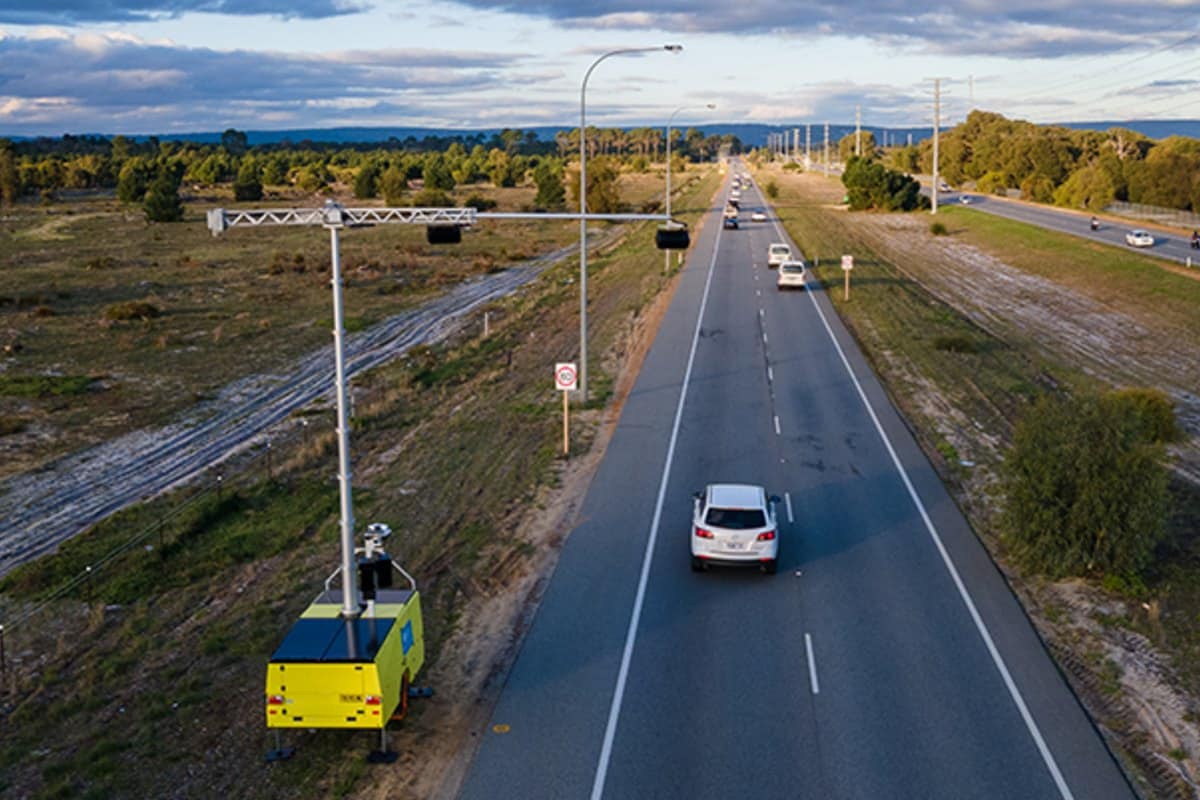
The introduction of six new safety camera trailers in 2025 is part of a broader initiative by the WA Government aimed at reducing road trauma. These AI-powered cameras, which began issuing fines after an extensive eight-month awareness period, have already revealed alarming insights into driver conduct. Instances of unsafe practices include a truck driver operating a laptop while driving at high speeds, a front seat passenger improperly securing an infant, and another driver using a mobile phone while exceeding speed limits in a school zone.
During the initial cautionary phase, over 380,000 offences were detected, leading to more than 65,000 caution notices issued, designed to educate drivers about the new technology without immediate penalties. This approach aimed to foster a safer driving environment by encouraging behavioural change before fines were enacted.
The consequences for non-compliance are substantial. Touching or holding a mobile phone while driving incurs a minimum fine of $500 and three demerit points. For failing to wear a seatbelt correctly, penalties start at $550 and four demerit points. The government emphasizes the need for strict enforcement to safeguard road users and mitigate fatalities and injuries associated with reckless driving.
The funds generated from safety camera infringements are allocated through the Road Trauma Trust Account, which dedicates 100 percent of the revenue to projects aimed at enhancing safety on WA roads. This funding model underscores the state’s commitment to reinvesting fines into initiatives that promote public welfare and reduce road trauma.
The data gathered from these safety cameras not only highlights the immediate dangers on the roads but also serves as a foundation for future policy decisions and infrastructural improvements. As the project unfolds, state officials are expected to assess the effectiveness of the cameras and may consider expanding the program in response to the alarming statistics collected thus far.
With driving behaviour under scrutiny and strict penalties in place, the WA Government aims to change the culture of road use in the region, fostering a safer environment for all road users. The integration of technology in monitoring road safety represents a significant step towards addressing the persistent issues of distracted driving and seatbelt compliance, ultimately contributing to a reduction in road fatalities.
See also AI Data Centres Drive $41B Competition for Resources, Threatening Public Infrastructure Projects
 Huawei Partners with Thai Ministry of Commerce to Enhance MOC Plus with AI-Cloud Collaboration
 India Expands MeghRaj Cloud Initiative, Targeting 4-5x Growth by 2030
 White House Launches 1,000-Strong Tech Force to Advance AI in Federal Government
 SLTT Governments Face Rising Cyber Threats: Unified AI Defense Essential for 2024-2025






