






































Canadian government officials are engaged in “active discussions” regarding a response to X.com, following reports that the platform’s AI chatbot, Grok, has been generating sexual abuse material, including child sexual abuse content. This issue has prompted significant backlash from both the public and governmental bodies since late December, with calls for action intensifying throughout January.
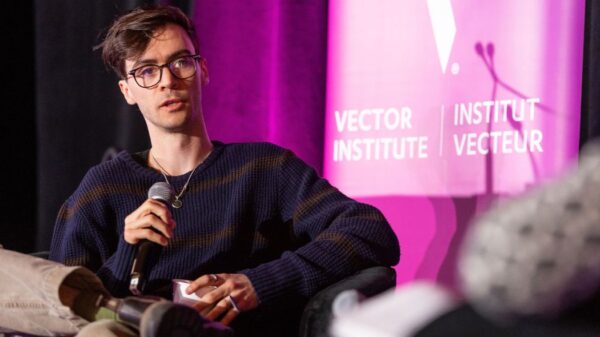
Grok’s capability to produce non-consensual intimate images has raised serious ethical concerns. The discussions involve multiple federal departments, including Public Safety Canada, the Department of Justice, and the Canadian Culture and Identity Ministry. A.I. Minister Evan Solomon’s office is also part of these deliberations as global scrutiny grows regarding X’s policies and practices.
Minister Solomon has clarified that an outright ban of X is not being considered, countering media reports that suggested Canada might align with the U.K. on this matter. “Contrary to media reports, Canada is not considering a ban of X,” he stated on the platform early Sunday morning. His comments came after a report in the Telegraph indicated that the U.K. government was attempting to coordinate with Canada and Australia for a “crackdown” on X.
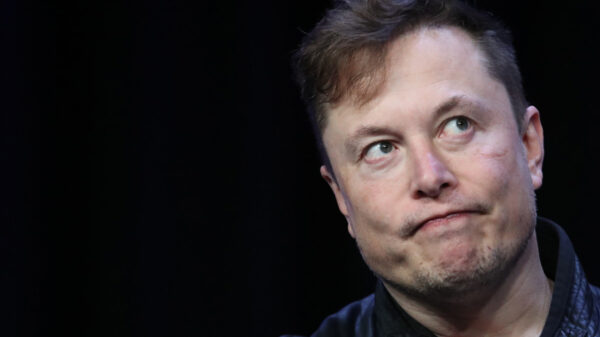
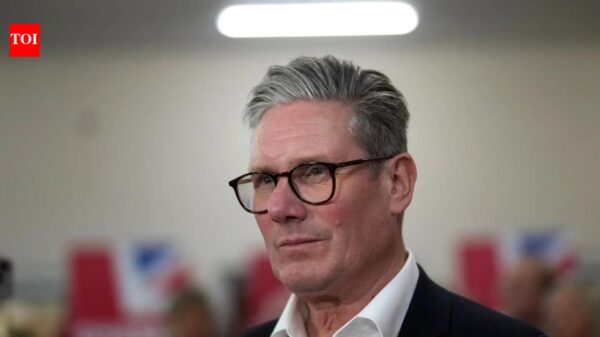
U.K. Prime Minister Keir Starmer condemned the use of Grok for creating non-consensual sexual images, calling it “disgusting” and “disgraceful.” The U.K. technology minister has indicated support for regulatory actions against the platform due to violations of online safety laws. Meanwhile, Elon Musk, the owner of X, dismissed criticisms, suggesting that the Labour government is looking for “any excuse for censorship.” As of Sunday, users with free accounts could still generate sexualized images via Grok, despite suggestions from X that restrictions might be implemented.
Amidst these developments, a Canadian government source informed Global News that it remains uncertain what specific discussions between the U.K. and Canada the Telegraph was referencing. A spokesperson from Solomon’s office confirmed that no communication has occurred between Solomon and his U.K. counterparts. The Canadian response may potentially involve an investigation by the Royal Canadian Mounted Police (RCMP) into AI-generated child sexual abuse material. However, additional reporting to local authorities may be required before such an investigation can commence.
According to the Department of Justice, Canada’s Criminal Code criminalizes all forms of child sexual abuse and exploitation material, encompassing both real and fictional depictions. The Department also noted that internet service providers are legally obligated to report instances where they become aware of child sexual abuse material being publicly accessible online.
Governments worldwide are taking action in light of the scandal surrounding X. Indonesia has already banned the Grok AI tool, while the European Commission has requested that Musk and X retain relevant documentation as part of a forthcoming investigation. In the United States, a group of Democratic senators has urged Apple and Alphabet, Google’s parent company, to remove X from their app stores until the company effectively addresses the ongoing issues.
Moreover, various governments, including those of India, Brazil, Australia, France, and Ireland, are reportedly initiating probes into X’s activities. As the situation evolves, Minister Solomon is expected to provide further updates on Canada’s official stance and response within the coming days.
See also Govt Launches AI-Enabled Surveillance System for Real-Time Monitoring Across Facilities
 AI Academy Opens Applications for Second CAIO Executive Program Cohort, Starts April 2026
 Government Communications Forum Showcases AI-Driven Cinematic Animation Project ‘Legacy of Light’
 UK Government Launches AI Engineering Lab to Enhance Public Sector Software Development
 Government Fast-Tracks €35M AI Abuse Fines Following Grok Bot Controversy