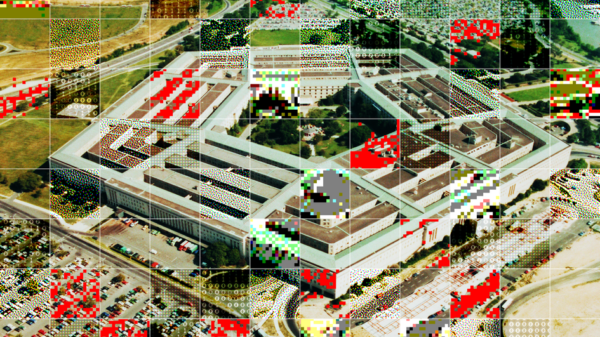
























































The federal government is intensifying its focus on cybersecurity as part of its technology modernization efforts, according to a survey released this week by consulting firm EY. Approximately 56% of respondents identified cybersecurity as one of their top priorities, with nearly a third indicating that increasing cybersecurity threats pose significant barriers to achieving modernization goals. The survey highlights a growing awareness among government leaders of the urgent need to bolster cybersecurity measures alongside technological advancements.
Interestingly, despite a backdrop of persistent data breaches, many government officials maintain a positive outlook regarding their agencies’ cybersecurity and IT modernization efforts. EY reported that 85% of federal decision-makers rated their agencies’ performance in cybersecurity and resilience enhancements as either “A” (excellent) or “B” (good). This perception suggests that leaders feel equipped for future challenges, even as they grapple with the issues posed by aging legacy systems.
However, the survey revealed that only 20% of respondents have fully transformed their technology platforms into modern and secure infrastructures. Roughly half of the participants are either in the planning stages or actively engaged in the transformation process. Moreover, 44% of government leaders reported being in the midst of efficiency initiatives aimed at enhancing cybersecurity infrastructure this year.
Aside from cybersecurity challenges, various factors are hindering modernization efforts, including regulatory hurdles and a limited pool of vendor options. About 30% of respondents cited regulations as a barrier, while 27% pointed to vendor limitations. Notably, the majority of government leaders expressed a strong desire to implement effective processes for managing new technologies prior to integrating them, with 96% agreeing on this approach. In contrast, safeguarding critical infrastructure and supply chains garnered comparatively less attention, with only 36% and 35% of respondents prioritizing these issues, respectively.
Aligning closely with the emphasis on cybersecurity, the replacement of legacy technology remains a significant focus for federal agencies, as 54% of respondents identified it as a priority, nearly matching the 56% who highlighted cybersecurity improvements. The findings underscore the interconnectedness of these two challenges, showcasing a comprehensive approach to modernizing government technology.
In the realm of artificial intelligence, government officials are keen to leverage AI for operational efficiencies. Fifty-five percent of federal leaders highlighted enhanced cybersecurity as one of the most significant advantages of utilizing AI in their agencies. Nonetheless, the adoption of AI remains relatively slow, with half of all AI projects among surveyed agencies still at the pilot or planning stages. Many agencies report struggles in identifying specific use cases for AI technology, primarily due to integration challenges with legacy IT systems.
As government leaders prioritize cybersecurity improvements alongside technological modernization, the implications for future agency operations and public safety could be substantial. The balancing act of addressing current cybersecurity threats while transitioning to modern infrastructure will require strategic planning and execution. As they navigate these challenges, the emphasis on leveraging innovative technologies like AI could serve as both a shield against threats and a catalyst for operational efficiency in the years to come.
See also AI Technology Enhances Road Safety in U.S. Cities
 China Enforces New Rules Mandating Labeling of AI-Generated Content Starting Next Year
 AI-Generated Video of Indian Army Official Criticizing Modi’s Policies Debunked as Fake
 JobSphere Launches AI Career Assistant, Reducing Costs by 89% with Multilingual Support
 Australia Mandates AI Training for 185,000 Public Servants to Enhance Service Delivery