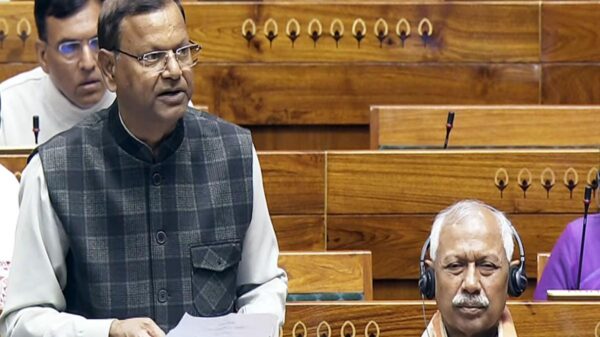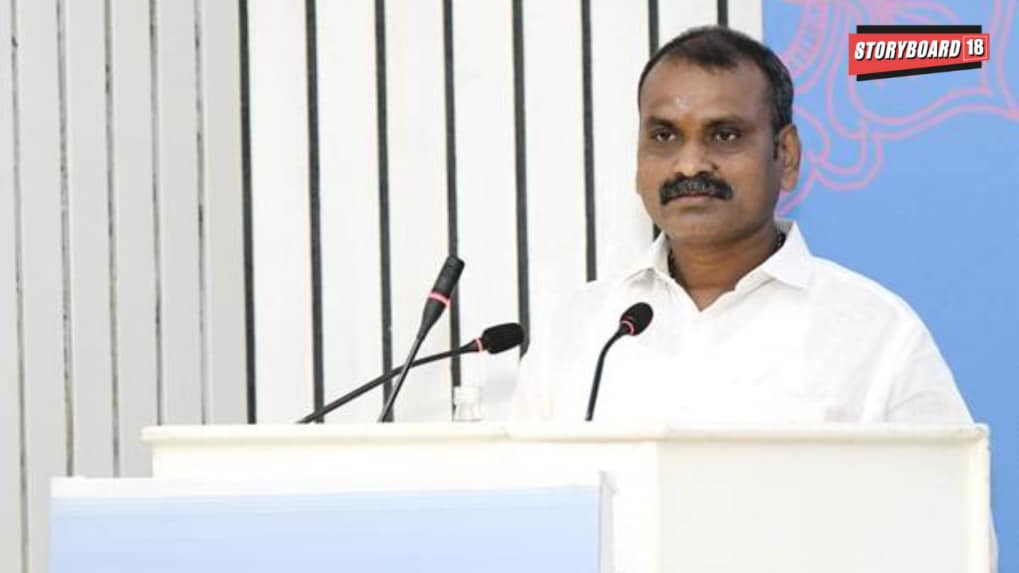
The Indian government has confirmed it will not regulate the growing use of artificial intelligence (AI) in film and media scriptwriting, despite rising concerns from screenwriters, studios, and creative guilds regarding issues of originality, copyright, and job displacement. The announcement was made on Friday by Minister of State for Information and Broadcasting L. Murugan in the Rajya Sabha, following a query from MP S. Niranjan Reddy.
Murugan stated that the government recognizes the increasing adoption of AI tools in the Indian film industry for generating dialogues, storylines, and screenplays. However, he clarified that there are no proposals to amend the Cinematograph Act, 1952, nor is there any intention to introduce a specific regulatory framework governing AI-generated creative work.
This response comes at a time when AI-assisted writing tools—ranging from advanced language models to automated screenplay generators—are being incorporated into Bollywood, regional cinema, advertising, and streaming platforms. While producers welcome the efficiencies brought about by AI in ideation and drafting, writer associations have repeatedly raised alarms about copyright ownership, lack of attribution, and the potential for studios to replace early-stage writing teams with AI solutions.
Globally, the conversation surrounding the role of AI in creative industries has intensified. In the United States, Hollywood writers went on strike in 2023, demanding safeguards against the unchecked use of AI in scriptwriting. This led to new contractual agreements that limit studios’ use of AI and require consent for its deployment. Several nations are drafting AI-specific copyright guidelines aimed at protecting human creators amid these technological advancements.
In contrast, India’s regulatory landscape remains static. Murugan’s statement indicates that the Cinematograph Act, which governs film certification and exhibition, will not be revised to address the implications of AI in the creative process, at least for the foreseeable future. This hands-off approach raises critical questions about how issues of authorship, originality, and compensation will be resolved as AI-generated content becomes increasingly prevalent.
Industry stakeholders assert that the risks associated with AI extend beyond labor concerns. AI-generated narratives utilizing unlicensed datasets could result in significant copyright infringements, while the integration of AI dialogues with human-written scripts complicates crediting practices. Many creators express that unregulated AI usage may lead to homogenized storytelling, a weakening of cultural nuance, and a tendency toward formulaic content optimized for algorithmic success.
For the time being, the government’s stance indicates that industry self-regulation will be the norm as AI continues to permeate the filmmaking process. With the rapid increase in AI adoption and the absence of clear legal frameworks, industry participants have warned that disputes related to authorship, royalties, and creative responsibility may escalate in the coming years.
As the conversation surrounding AI in the creative arts evolves, the future of storytelling in India may depend on how effectively the industry can reconcile technological innovation with the need for creative integrity and legal protection.
See also Trump Bans State AI Laws, Igniting Legal Challenges and Civil Rights Concerns
 Elon Musk’s xAI Launches Grok in El Salvador for 1M Students Amid Controversy
 Governments’ Lack of Transparency on Data Centers Sparks Environmental Concerns
 Gene Simmons Calls for Federal AI Regulation to Protect Music Industry and IP Rights