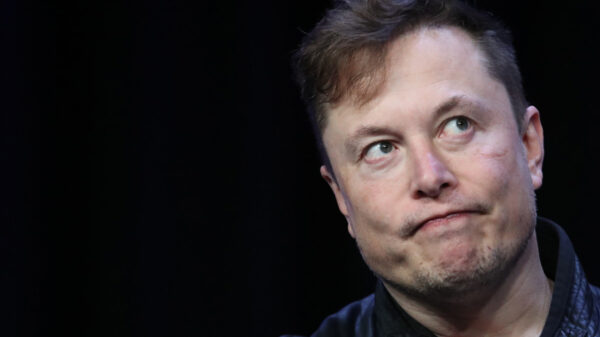
















































The Irish Government is set to fast-track legislation aimed at penalizing technology companies that misuse artificial intelligence. This move follows a surge of criticism surrounding a controversial feature of Elon Musk’s Grok bot on X, which has reportedly facilitated the public undressing of individuals in images, including minors. Enterprise Minister Peter Burke plans to present the proposed legislation to the Cabinet, which is designed to transpose an existing EU act on AI into Irish law.
The forthcoming law will delineate eight harmful applications of AI that infringe upon individuals’ rights and basic decency. In a significant regulatory effort, it will categorize various AI uses based on their risk levels, imposing fines that could reach as high as €35 million or 7 percent of a company’s annual turnover, whichever amount is greater. According to the Irish Independent, the Dáil is likely to expedite the bill’s passage in light of recent developments.
In a proactive step towards enforcement, a new AI regulatory office is expected to be established as early as August. This authority will oversee the implementation of the new Act. Meanwhile, in the UK, Prime Minister Keir Starmer has issued a warning to X, urging the platform to regulate Grok, or face intervention from the British Government. This cross-border scrutiny underscores the growing concerns over the ethical implications of AI technologies.
In Ireland, the situation is particularly pressing as Niamh Smyth, the Junior Minister for AI, is awaiting a meeting with X officials to discuss the platform’s nudification features. The dialogue reflects a broader urgency among policymakers to address the evolving challenges presented by AI technologies and their potential for misuse.
Legislative efforts in Ireland and the UK highlight a growing recognition of the need for robust governance in the face of rapid technological advancements. As AI continues to permeate various sectors, the implications of its misuse can have profound societal impacts, prompting governments to take decisive action to protect citizens.
Looking ahead, the establishment of a dedicated AI office in Ireland signifies a commitment to addressing the ethical dimensions of artificial intelligence. As the landscape evolves, the regulatory frameworks being developed will likely influence how technology companies operate, fostering an environment that prioritizes accountability and respect for individual rights. This legislative initiative may serve as a model for other nations grappling with similar challenges in the age of artificial intelligence.
See also Ireland Moves to Fast-Track Fines for Tech Firms Misusing AI Amid Grok Controversy
 UK Government’s New AI Law Sparks Outcry Over Delayed Action Against Grok Deepfakes
 Governments Urged to Reassess AI Integration After Tax Fraud Disasters
 RCP Reports 70% of UK Physicians Support AI in NHS, Urges Digital Infrastructure Overhaul
 UK Government Commits £3.25 Billion to Scale AI Across Public Services Amid Execution Challenges