























































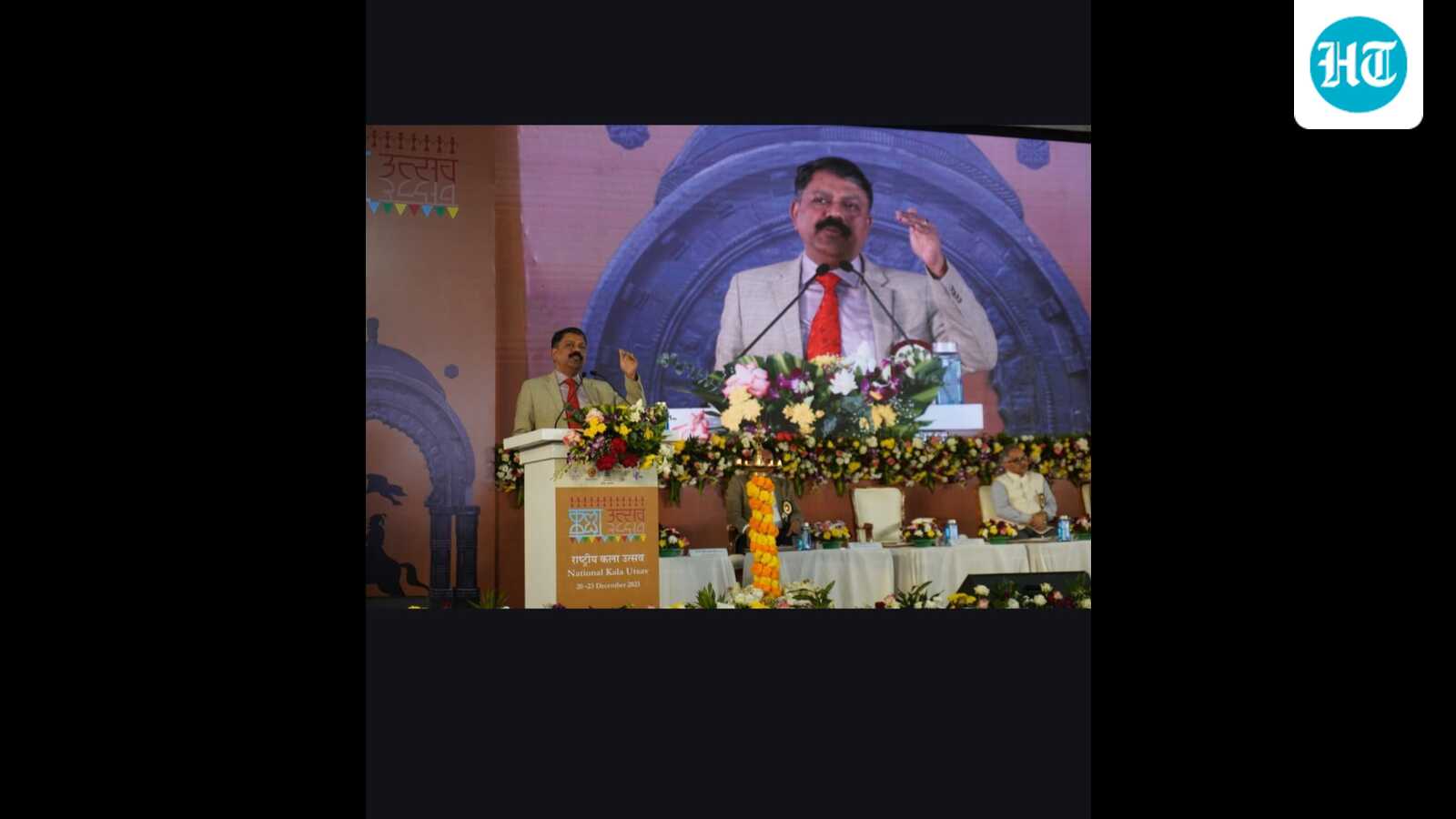
In a significant move to promote multilingual and inclusive education, Anandrao Patil, joint secretary of the Department of School Education and Literacy, announced initiatives aimed at enhancing learning opportunities for students in tribal areas. Speaking at the inauguration of the 11th National Kala Utsav, held at the Yashwantrao Chavan Academy of Development Administration (Yashada), Patil emphasized the development of primers in local languages such as Ahirani, Santhali, and Toda. Additionally, he highlighted the role of artificial intelligence (AI) in translating educational materials into various languages, enabling students to learn in their mother tongue.
The National Kala Utsav serves as an annual platform that showcases the artistic talents of students while promoting cultural education. This year, the festival was held in Bhopal in January, followed by events in Pune. Patil linked the festival’s themes to Chhatrapati Shivaji Maharaj, noting the historical significance of his childhood commitment to establishing “Hindavi Swarajya.”
Patil outlined the importance of arts in achieving the vision of a developed India, encouraging students to actively engage in both sports and cultural activities. Education commissioner Sachindra Pratap Singh echoed this sentiment, advising participants to immerse themselves in diverse fields.
Highlighting the festival’s decade-long legacy, Jyotsna Tiwari, head of the National Council of Educational Research and Training (NCERT), reported that over the past ten years, 7,318 students from various states have participated in the Kala Utsav. The inauguration included a short film that chronicled the event’s journey, illustrating its growing impact on cultural education.
Reflecting on the National Education Policy (NEP), Patil commended NCERT for its efforts in developing new textbooks for classes 1 to 8, with materials for classes 9 and 10 currently under preparation. He also mentioned the establishment of the Vidya Samiksha Kendra, a transformative initiative designed to assess the infrastructure and human resource needs across schools.
Another key highlight was the DIKSHA portal, a digital learning platform offering educational content in 128 languages. Patil announced plans to introduce AI-enabled content in an additional 22 languages, aiming to further enhance the accessibility of educational resources.
In a nod to historical figures in education, Patil paid tribute to Mahatma Phule and Savitribai Phule, urging girls to remember and honor their contributions to modern Indian education. He underscored the necessity of maintaining educational legacies while embracing innovations that can bridge gaps in learning.
The initiatives announced by Patil indicate a broader commitment to fostering inclusive education that respects linguistic diversity and cultural heritage. As the importance of multilingual education becomes increasingly recognized, the integration of technology and local languages may play a crucial role in shaping the educational landscape in India.
See also Nepal Launches AI Initiative Ahead of 2026 Impact Summit with 400+ Participants
 Japan Announces $6.34 Billion Support for Home-Grown AI Development Starting 2026
 Japan Allocates $6.3 Billion to Boost Private AI Development Over Five Years
 IIT Madras Launches National AI Training Program for Government Officials with Google Collaboration






