























































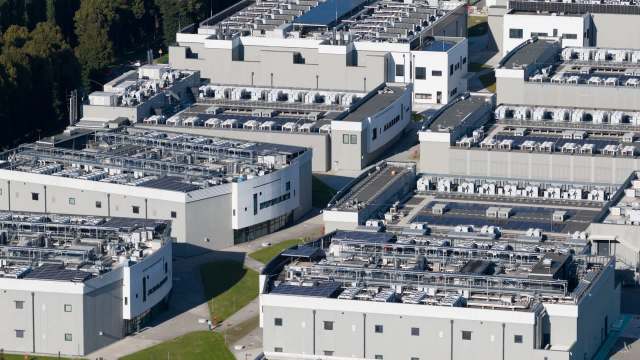
The rapid proliferation of AI technology is driving a surge in data center development, which presents significant environmental challenges. These expansive facilities are essential for storing vast amounts of data and managing the intense workloads associated with artificial intelligence applications. However, their operation demands substantial energy, creating a strain on natural resources and contributing to ecological degradation. Compounding this issue is a lack of transparency from many governments about the environmental impact of these facilities.
Resistance to the expansion of data centers is gaining momentum across the United States, the United Kingdom, and several Latin American countries. Concerns are rooted in the extensive resource demands of these facilities and the opaque practices surrounding their environmental impacts. In particular, communities in Latin America have expressed frustration over government support for corporate secrecy regarding the consumption of electricity, water, and other essential resources required by data centers.
In Chile, for example, government efforts are underway to relax environmental regulations that govern data center operations. Such measures could enable these facilities to exhaust local resources without proper oversight, as noted by The Guardian. Activist and researcher Paz Peña highlighted that data centers in Chile rely heavily on fossil fuels like diesel, and recent regulatory changes have increased permissible diesel usage. “What we’re seeing is that governments are creating opportunities for investments but not creating rules and regulations for the environmental impacts of data centers,” Peña stated.
Regulating data centers is crucial for fostering environmental transparency and accountability. When companies disclose their carbon footprints, energy consumption, and resource usage, they are held responsible by their customers for their environmental impact. Conversely, when governments permit corporate secrecy, it diminishes the pressure on these companies to adopt sustainable practices. The massive energy consumption characteristic of AI-driven data centers often relies on fossil fuels, leading to increased carbon emissions that contribute to climate change. The resultant rise in global temperatures can exacerbate natural disasters, disrupt weather patterns, and threaten food and water security.
As governmental oversight weakens, the onus falls on citizens to advocate for increased transparency regarding energy consumption in data centers. Public pressure and legal action can be effective tools in this pursuit, although they are complicated by the lack of readily available information. “The first thing people need is information, and the first hurdle that they confront is the lack of information,” Peña explained. Individuals are encouraged to seek out information sources and, when necessary, pursue legal avenues to compel transparency.
The environmental impact of contemporary data centers should not be underestimated. Individuals interested in effecting change can stay informed and engage with local activist initiatives or support candidates committed to climate action. As the data center landscape continues to evolve alongside the rapid advancement of AI technology, the imperative for responsible management of resources becomes increasingly pressing. Addressing these challenges is vital to balancing technological progress with environmental stewardship.
See also Gene Simmons Calls for Federal AI Regulation to Protect Music Industry and IP Rights
 AI Safety Cameras Generate $13 Million in Fines for 31,000 Driving Offences in WA
 AI Data Centres Drive $41B Competition for Resources, Threatening Public Infrastructure Projects
 Huawei Partners with Thai Ministry of Commerce to Enhance MOC Plus with AI-Cloud Collaboration