



















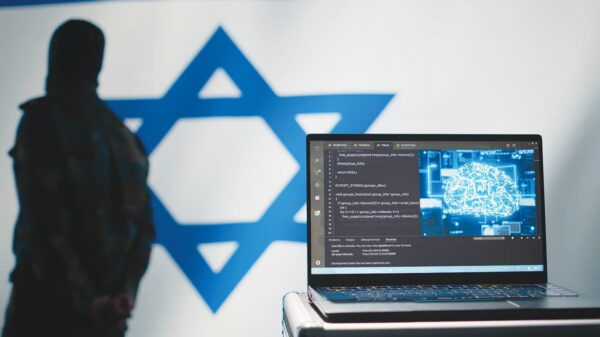


























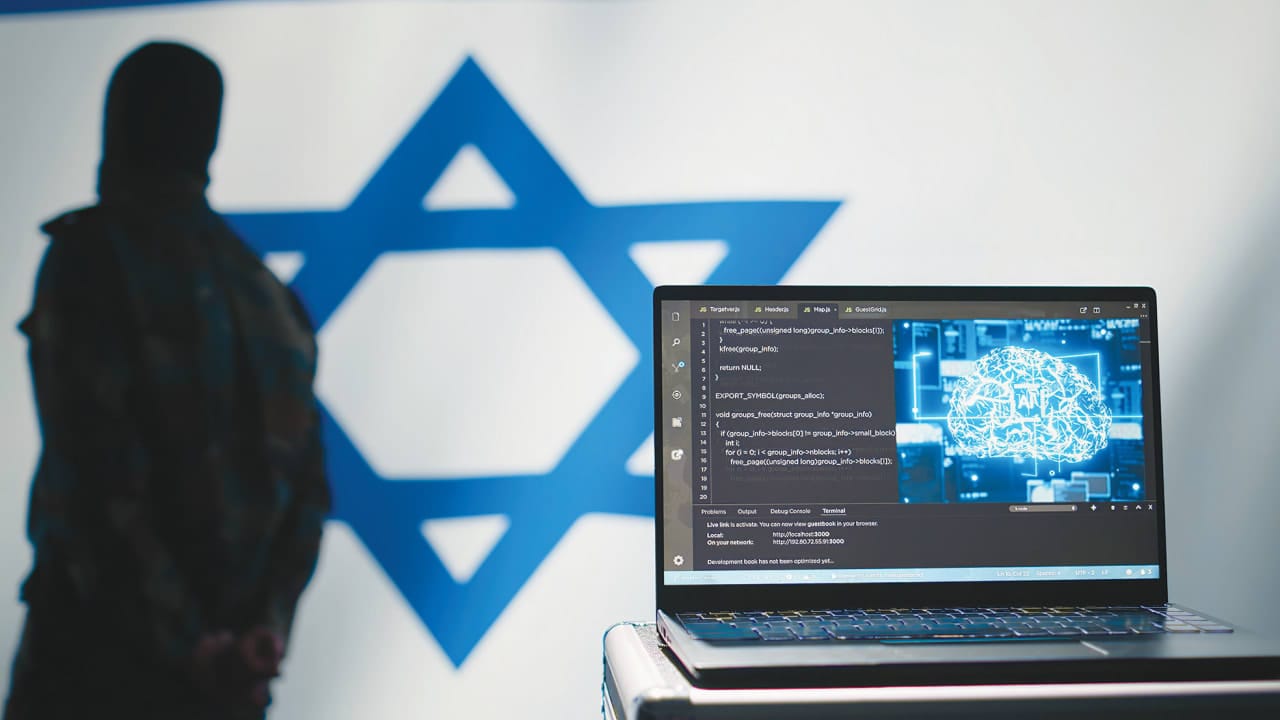
Yossi Karadi, the chief of the Israel National Cyber Directorate (INCD), has outlined the escalating threats posed by artificial intelligence (AI) in cyber warfare. In a recent interview, he expressed concerns that the traditional advantages held by cyber attackers have been magnified by advancements in AI technology. This shift has transformed the landscape of cyber threats, making attacks against governments, companies, and critical infrastructure more sophisticated and widespread.
Since Karadi took office in March 2025, following a series of devastating cyber incidents that have cost the global economy an estimated $10.5 trillion by 2025, he has noted that AI has significantly empowered attackers. “A cyber defender must succeed 100% of the time, while an attacker needs to succeed only once,” Karadi remarked, highlighting an existing imbalance that is now exacerbated by AI’s capabilities. AI-enabled hackers can exploit vulnerabilities more rapidly and target a larger number of victims simultaneously.
Karadi’s observations come in the wake of two quadrillion bytes of Israeli data being compromised in recent years. The threats are not just quantitative but qualitative; AI allows attackers to adapt their methods with much greater agility than their targets. Defenders, often operating within the constraints of larger organizations, face challenges in relaying new threats and updating tactics swiftly. This dynamic is akin to maneuvering a large vessel, which takes time and coordination.
AI has also facilitated the use of deepfake technology in cyber attacks. Hackers can now clone voices using just two minutes of audio, enabling them to manipulate targets into granting access to sensitive information. This evolution in tactics poses significant challenges for cybersecurity professionals, who must develop more reactive and adaptive strategies to counteract such sophisticated methods.
As traditional defensive strategies evolve, Karadi emphasized the need for companies and agencies to rethink their approach to cybersecurity. Previously, the focus was on protecting “crown jewels,” or critical assets. However, Karadi argues that even these vital components are now susceptible to compromise, necessitating a more proactive stance, including the possibility of counterattacks against hackers. Many Western nations are reconsidering their reluctance to engage in such measures due to the increasing frequency and intensity of cyber threats from state actors like China, Russia, Iran, and North Korea.
The geopolitical context adds complexity to the cyber landscape. Israel is monitoring U.S. offensive cyber operations, such as the significant cyberattack on Venezuela in 2025, which disrupted electricity supply across Caracas. Karadi noted that while Israel did not collaborate on that operation, learning from U.S. actions is crucial for enhancing its own cyber capabilities. “The cooperation with the U.S. is still excellent,” he stated, emphasizing the ongoing partnership despite fluctuations in U.S. cyber defense capabilities.
In recent years, tensions have also arisen between the U.S. and the European Union over trade and technology dependencies. These geopolitical shifts could impact Israel’s efforts to strengthen its cyber defense collaborations with Western allies. Karadi, however, remains optimistic, citing recent agreements to establish a permanent cyber liaison in Germany as evidence of continued cooperation.
Amid these challenges, Karadi is advocating for the passage of a new cyber law in Israel, aimed at enhancing national cybersecurity infrastructure. This proposed legislation would require critical private sector and government agencies to report cyberattacks immediately, establishing a framework that aligns Israel with many other democracies that already have such laws in place. With Israel becoming one of the world’s most cyber-targeted nations, the urgency for effective legislative measures has intensified.
Despite the prevailing risks, Karadi believes that Israel’s strong cyber capabilities, bolstered by supportive government relations and international partnerships, position the country to effectively navigate the complexities of modern cyber warfare. He expressed confidence in his collaboration with Erez Askal, the newly appointed chief of the National Artificial Intelligence Directorate, stating that their joint efforts are focused on augmenting Israel’s cyber defenses in response to evolving threats.
As Karadi reflects on his first year, he acknowledges the rapid pace of change in the cyber landscape and the pressing need for continuous adaptation. The challenges are formidable, but with strategic initiatives and international cooperation, he remains committed to fortifying Israel’s digital frontiers in an increasingly hostile cyberspace.
See also AI Technology Enhances Road Safety in U.S. Cities
 China Enforces New Rules Mandating Labeling of AI-Generated Content Starting Next Year
 AI-Generated Video of Indian Army Official Criticizing Modi’s Policies Debunked as Fake
 JobSphere Launches AI Career Assistant, Reducing Costs by 89% with Multilingual Support
 Australia Mandates AI Training for 185,000 Public Servants to Enhance Service Delivery