









































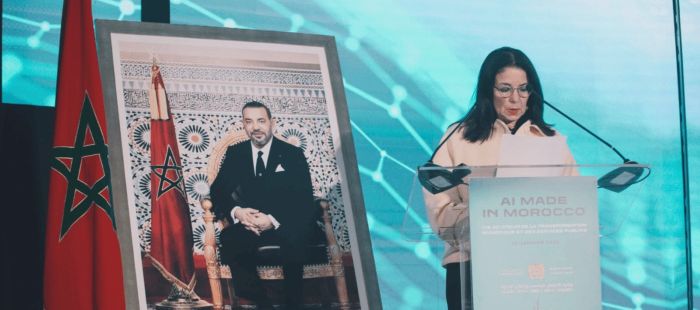
Morocco has made a significant leap in digital governance, climbing 14 places in the 2025 Government AI Readiness Index, according to Amal El Fallah Seghrouchni, Minister Delegate in charge of Digital Transition and Administrative Reform.
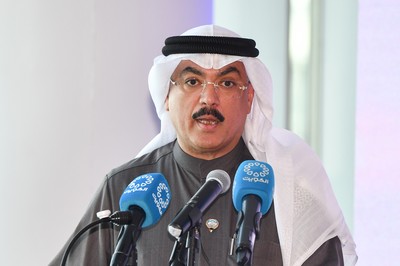
Speaking during the opening session of the fifth General Assembly of the Digital Cooperation Organization (DCO), held in Kuwait, Seghrouchni explained that this notable progress reflects Morocco’s strategic national orientation toward artificial intelligence and the strengthening of its international partnerships, particularly within the DCO framework. She stressed that these partnerships have played a key role in aligning Morocco’s digital policies with global best practices.
The minister highlighted that Morocco’s advancement in AI readiness is the result of a series of coordinated national initiatives. These efforts focus on modernizing legal and regulatory frameworks, building advanced digital and AI-related skills, encouraging responsible and ethical innovation, and putting in place governance mechanisms to supervise the export of AI solutions, especially in offshoring and digital services activities.
Seghrouchni pointed to two flagship projects that clearly demonstrate Morocco’s transition from strategic vision to concrete implementation. The Digital for Sustainable Development Hub (D4SD), launched in partnership with the United Nations Development Programme (UNDP), has established Morocco as a regional hub for sustainable digital transformation, serving countries across the Arab world and Africa. The hub supports the use of digital technologies and artificial intelligence to advance sustainable development goals.
In parallel, the Al Jazari Institutes Network, developed under the “AI Made in Morocco” initiative, brings together research institutions, startups, and public and private stakeholders. This network aims to design and deploy sovereign, reliable, and inclusive AI solutions, while fostering innovation, research, and local talent development.
Seghrouchni emphasized that artificial intelligence has become both a strategic and geopolitical issue, with far-reaching implications for public governance, digital trust, data sovereignty, and workforce transformation. She noted that the challenges and opportunities associated with AI extend well beyond national borders, making international cooperation essential to ensuring a digital transition that is inclusive, secure, and sustainable.
Read Also;
https://trendsnafrica.com/morocco-deploys-ai-powered-system-to-crack-down-on-tax-evasion/
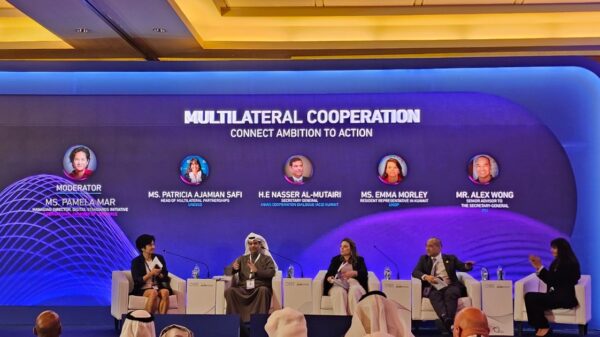
The fifth DCO General Assembly, held on February 4–5 in Kuwait, brought together ministers, senior government officials, representatives of international organizations, and public- and private-sector partners from more than 60 countries, underscoring the growing global momentum around digital cooperation and artificial intelligence governance.
See also Odisha Government Implements QR Codes and AI Cameras to Secure Upcoming Matric, Plus 2 Exams
 Canada’s AI Task Force Report: Key Insights from 300 Submissions and Public Consultations
 Upstage Enhances AI Education with Unique Curriculum for Diverse Learners
 Byron Donalds Embraces AI’s ‘Creative Destruction’ Amid DeSantis’s Concerns
 Adactin Joins Federal AI Directory, Boosting Public Sector Opportunities and Trust