


















































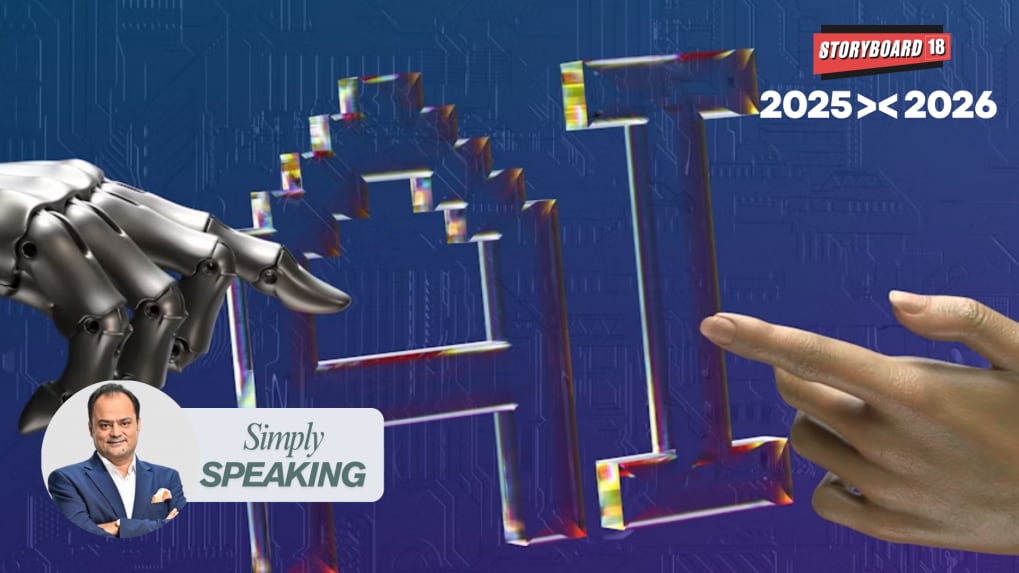
Marketing is once again in the spotlight, grappling with the age-old debate over its true impact on business success. Critics argue that marketing merely correlates with positive outcomes rather than causing them. They contend that demand exists independently, and marketing is simply a byproduct of successful ventures. The question looms: can advancements in artificial intelligence (AI) and analytics finally clarify marketing’s role?
According to Shubhranshu Singh, a noted marketer and columnist, marketing’s significance lies not in its universal efficacy but in its unique ability to influence consumer behavior upstream of choice. While operations, pricing, and sales optimize existing demands, marketing shapes conditions before preferences are formed or trust is established. Its core function is to facilitate transactions rather than merely close them, making them easier, cheaper, and more repeatable.
Singh argues that AI could ultimately strengthen the case for marketing rather than weaken it. As attribution models become more sophisticated, AI may debunk many marketing myths. It will reveal that various campaigns credited with driving growth often reflect momentum generated elsewhere—such as distribution changes or favorable cultural timing. However, the real revelation will be that when brands go silent, all other business functions must compensate more rigorously.
Without marketing, key challenges arise: price sensitivity increases, sales cycles lengthen, and customer retention diminishes. The absence of marketing tends to foster decline more reliably than the presence of marketing spurs growth. Singh describes marketing as “probability engineering.” It does not guarantee outcomes, but it shifts the odds in favor of success at the population level. The most valuable output of marketing, he asserts, is memory. Consumers rarely make choices based on comprehensive information; instead, they rely on what they can readily recall under pressure.
Brands that are easily remembered, emotionally resonant, and socially validated are often chosen not due to objective superiority but because they offer cognitive ease. AI’s potential to map recall speed, emotional encoding, and retrieval bias will underscore why even superior products can falter without mental availability. In a marketplace where features can be duplicated, prices can be matched, and distribution can be replicated, the unique meaning accumulated through effective marketing becomes invaluable.
Brands that consistently invest in how they are perceived tend to experience lower volatility, quicker recoveries from setbacks, and reduced costs in future demand creation. These compounding effects have often been dismissed due to their slow and indirect nature, making them challenging to isolate. While AI may not accelerate these effects, it promises to make them irrefutable.
Marketing’s influence often manifests indirectly. It alleviates friction, diminishes perceived risks, and simplifies the decision-making process. These benefits rarely make an appearance in campaign dashboards but become evident in long-term behavioral data. The pressing question, according to Singh, is not whether marketing matters but whether marketers have been transparent about its true nature and effects.
As AI continues to reshape the landscape, it is unlikely to eliminate marketing; instead, it may instigate a shift away from vague narratives about marketing effectiveness. The future may see a more disciplined and evidence-based approach that validates marketing’s role not through “attribution theatre” but via sustained behavioral advantages. This evolution could lead to a more serious discourse on shaping consumer behavior, enhancing the case for marketing in the process.
Singh’s insights into the intersection of marketing and AI underscore a critical juncture for businesses. As companies adapt to a landscape increasingly influenced by advanced analytics, the necessity of understanding marketing’s true role could become clearer, reinforcing its foundational importance in driving business success.
Shubhranshu Singh is a marketer, business leader, and columnist, recognized as one of the 50 most influential global CMOs for 2025 by Forbes. He also serves on the global board of the Effie LIONS foundation.
See also Lexus Launches Holiday Campaign Using Generative AI for Surreal Video Storytelling
 AI Engine Optimization Reshapes Online Visibility as Google Reports 30% Search Shift
 Enso Launches “Free Nathan” Campaign in 6 Hours for Just $150 Using AI Tools
 Medical AI SEO Transforms Healthcare Visibility, Enhancing Patient Trust and Discovery
 AI-Generated Ads Spark Controversy: McDonald’s, Coca-Cola, and H&M Face Backlash