






















































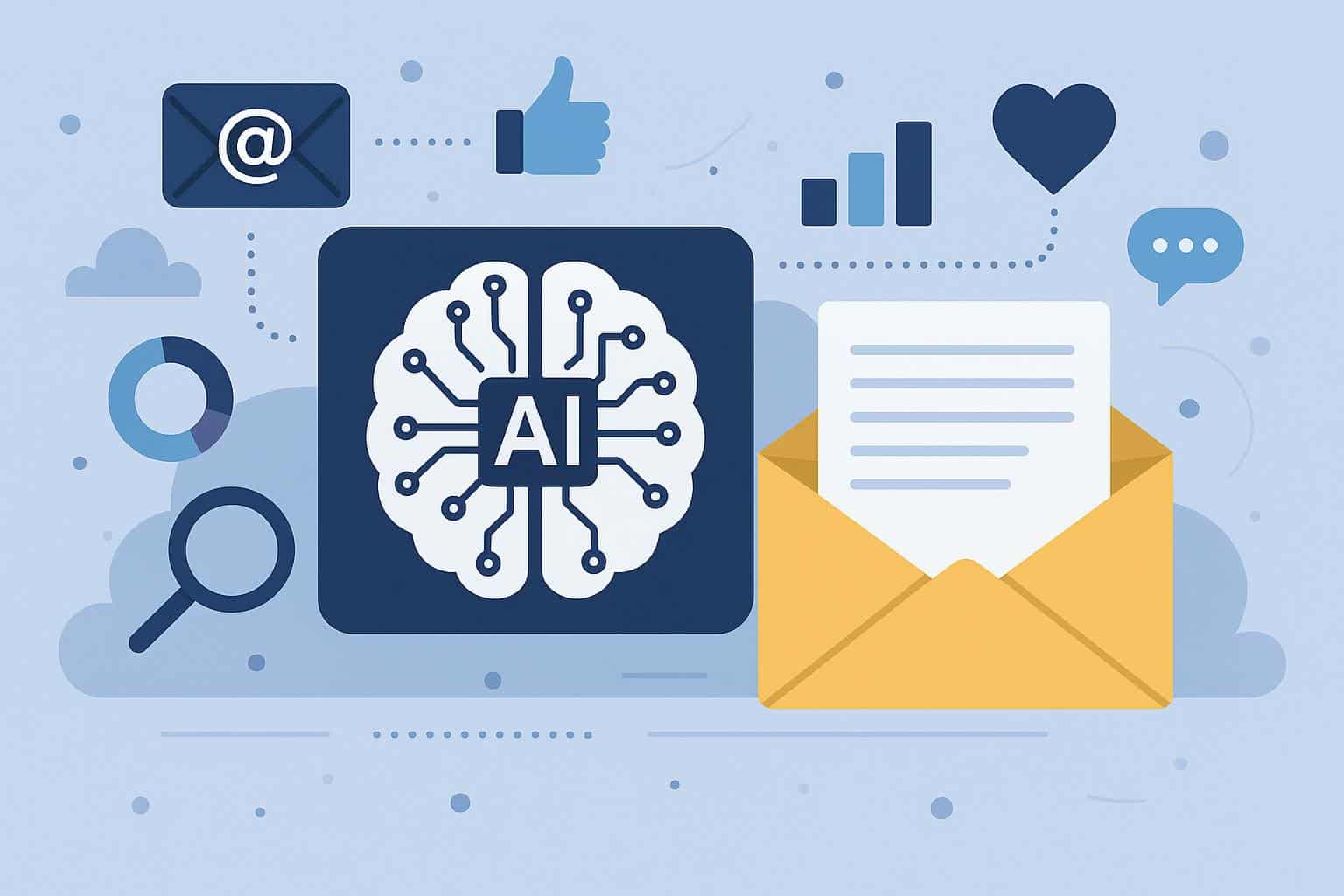
Email remains a pivotal communication channel for brands across various industries, aiding in customer engagement and retention efforts. As consumer preferences evolve rapidly across devices and channels, the need for personalization in email marketing has intensified. Early methods relied on basic identifiers such as customer names, but as inbox volumes increase, the effectiveness of these strategies has diminished. Retailers now face the challenge of adapting to swiftly changing customer behaviors, prompting a deeper examination of how to leverage artificial intelligence (AI) for enhanced email personalization.
The integration of AI has significantly transformed retailers’ approaches to email engagement. Unlike traditional methods that often lag behind consumer behavior, AI systems analyze vast amounts of customer activity in real-time. By processing these insights, retailers can tailor email content to align with current customer intents. This shift moves email communication away from static messaging, allowing brands to adjust dynamically based on individual preferences and behaviors.
Initially, email personalization relied on limited data points, such as names and locations included in subject lines. While this method improved engagement temporarily, the increasing volume of emails led to a decline in impact as customers began to expect messages tailored to their specific interests and recent activities. The advent of dynamic content allowed brands to incorporate browsing and purchase data into emails, enhancing relevance. AI’s capacity to continuously process behavioral signals enables businesses to respond much faster to customer intents, making email content more reflective of actual behaviors rather than mere assumptions.
AI enhances retailers’ understanding of customer preferences and habits, enabling more individualized communication. By identifying user preference cues over time and across multiple channels, retailers can discern a customer’s intent to purchase based on their online activity. This allows for timely email promotions that resonate with consumers. A critical aspect of AI-driven email personalization is the analysis of click behavior. Clicks reveal immediate interest and highlight which content captures attention, enabling brands to respond efficiently to evolving consumer preferences.
Moreover, tracking product views over time serves as a strong indicator of customer interest. AI identifies these behaviors across sessions, allowing brands to focus their emails on products viewed and related information such as features, reviews, or availability. This approach supports customers’ evaluation processes without interruption, facilitating a smoother buying journey.
Furthermore, add-to-cart actions are closely monitored by AI, reflecting a customer’s readiness to purchase. AI captures these signals in real-time, ensuring that email communications remain relevant and timely, including critical details such as pricing or delivery. Similarly, cart abandonment patterns are swiftly detected by AI systems, which assess the likelihood of a customer returning based on prior behavior. Retailers can send strategic reminders, addressing potential concerns regarding product costs or availability, while maintaining a focus on the items left in the cart.
AI also plays a crucial role in interpreting cross-channel interaction signals. As customers navigate between emails, websites, and mobile applications, AI connects these interactions to provide a comprehensive view of the customer journey. This holistic understanding ensures that email content reflects actions taken outside the inbox, thereby reducing repetition and enhancing relevance in communications.
Analyzing purchase history is another critical function of AI in email personalization. By examining the frequency, category, and timing of past purchases, AI identifies recurring patterns that inform future communications. Retailers can suggest related products or replenishment needs, ensuring that messaging aligns with established buying cycles and habits, which ultimately supports customer retention.
Timing is also a significant factor in email effectiveness. AI analyzes engagement times, revealing specific windows when customers are most receptive to communication. By aligning email delivery with these optimal times, brands can enhance engagement and ensure that content resonates with customers’ current contexts.
In conclusion, AI has fundamentally changed how brands interpret consumer behavior in email marketing. By utilizing real-time signals, retailers can create responsive rather than repetitive email communications, ensuring that customers receive messages that align with their actions and interests. Retailers that effectively harness AI for email personalization are likely to maintain strong relationships with their customers, adapting to the continuous evolution of digital behaviors.
See also ManageEngine Launches Autonomous AI in Site24x7, Reducing MTTR by 90% for IT Teams
 AI Search Referrals Surge 357% Year-On-Year, Reshaping Online Visibility and SEO Strategies
 Ramco Systems Launches Chia, an AI Agent Platform for Enhanced Customer Engagement
 India’s Ad Market to Grow 9.7% by 2026, Driven by AI and Commerce Integration
 Digital Mojo Leverages AI to Drive Performance Marketing for Growth-Focused Brands