






















































Artificial intelligence (AI) is increasingly influencing travel marketing, yet the most effective applications remain under exploration. Rob Torres, Senior Vice President of Media Solutions and Retail Partnerships for Expedia Group, emphasized during a recent interview that AI-enhanced digital travel marketing can be effective if it retains a human touch.
Expedia Group conducted research in October aimed at understanding which types of content drive traveler preferences. Participants were exposed to a variety of content: non-AI-enhanced, AI-enhanced, and fully AI-generated. Torres noted that “a good percentage of the travelers really didn’t mind, and actually, I don’t want to say they preferred [it], but they did not mind the AI-enhanced content as long as it did have some human touch in it as well.” This response indicated a potential for AI to play a role in content creation, provided it is integrated thoughtfully.
Despite the promising feedback, Torres cautioned that the industry is still in the early stages of AI adoption, underscoring the necessity for ongoing testing to identify the most effective tactics in travel marketing. He stated, “Good content creators are not going away, good marketing is not going away because … that art is a big part of the creative process.” This sentiment reflects a broader view within the industry that human creativity will remain vital even as technology advances.
Expedia Group has been actively pursuing AI implementation strategies. Notably, the company appointed its first Chief AI and Data Officer earlier this month, signaling its commitment to integrating AI into its operations. In November, Expedia Group was named a partner in Google’s forthcoming agentic travel booking features, aiming to streamline the customer experience. Additionally, the company announced a partnership with OpenAI to incorporate applications into ChatGPT, further tapping into AI capabilities.
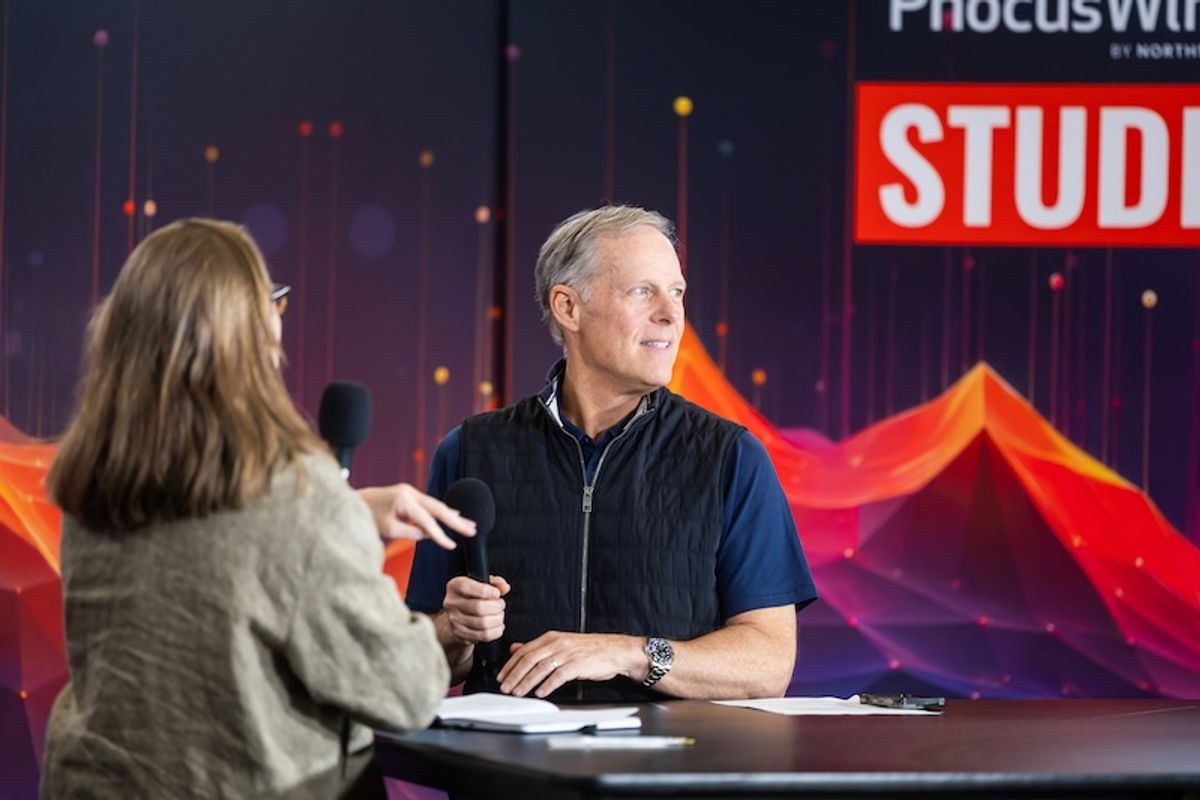
During the PhocusWire interview, Torres also discussed several key topics related to the future of travel marketing, including commerce media, bookable itineraries, intent media, and personalization. The integration of AI into these facets is anticipated to enhance user engagement and streamline processes, positioning Expedia Group to leverage its technological advancements in the competitive travel sector.
As the travel industry continues to evolve, the intersection of AI and human creativity may redefine marketing strategies and consumer interactions. Expedia Group’s commitment to testing and integrating these technologies could set a precedent for others in the industry, emphasizing that while AI can enhance certain aspects, the human element remains irreplaceable. Torres concluded the discussion with a forward-looking perspective on the adaptability needed in the face of rapid technological advancements.
For more insights, the full discussion with PhocusWire executive editor Linda Fox is available for viewing or listening.
See also Meta Cuts Reality Labs Budget by 30% to Boost AI Investments Amid $70B Losses
 Adobe Study Reveals 80% of Marketers Seek AI Upskilling Amid Heavy Workloads
 AI Tools Revolutionize Social Media: 19 Essential Platforms for Brands in 2026
 TikTok’s AI Symphony Generates Rampant Fake Ads, Misleading Health Products Surge