



















































Google’s artificial intelligence-powered search experience is undergoing a significant transformation, as industry analysts label this phase an “expansionary moment.” This shift is dramatically altering how billions of users engage with the world’s leading search engine and is compelling digital marketers to reassess long-standing optimization strategies. The evolution, which has gained momentum throughout 2024, marks the most profound change in search behavior since Google’s algorithmic advancements two decades ago.
According to Search Engine Land, Google has significantly expanded the deployment of AI Overviews—its generative AI-driven answer boxes—across a broader spectrum of query types. These AI-generated summaries now surface for complex informational searches, product research inquiries, and even some commercial intent searches that would previously have yielded traditional blue links and advertisements. This evolution signifies a departure from Google’s cautious initial rollout, which faced backlash over factual inaccuracies and hallucinations that undermined user trust.
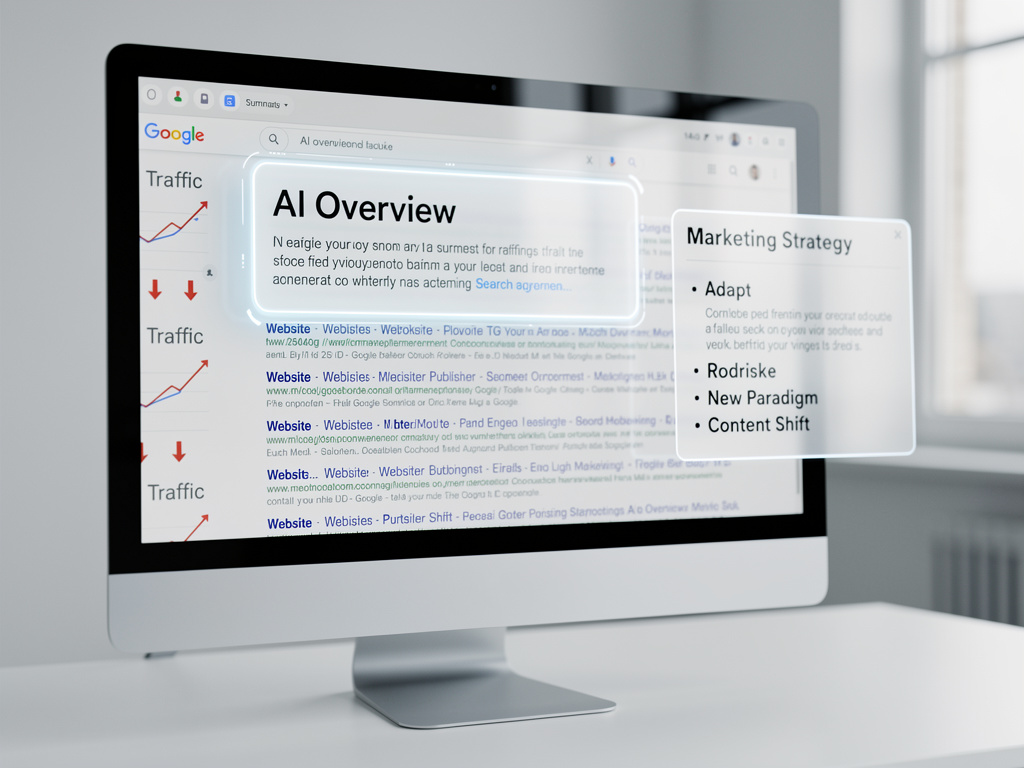
The implications for digital publishers, e-commerce platforms, and content marketers are substantial. Traffic patterns have noticeably shifted as users increasingly find answers within Google’s AI-generated summaries rather than clicking through to source websites. Industry data indicates that AI Overviews can reduce click-through rates to traditional search results by 30 to 60 percent for affected queries, although Google disputes these figures, asserting that the feature promotes exploration and further searches.
The Technical Architecture Behind Google’s AI Transformation
Google’s AI Overviews leverage the company’s advanced large language models, including variants of its Gemini architecture, to synthesize information from multiple web sources into coherent, conversational responses. Unlike conventional search results that merely rank and display links, these AI-generated answers aim to grasp user intent, extract pertinent information from authoritative sources, and present synthesized conclusions that directly meet the query.
The system employs “grounding” techniques—methods that anchor AI-generated responses to specific, verifiable web content to prevent the model from fabricating information. Despite these safeguards, the technology is not flawless. Initial deployments provoked controversy when AI Overviews recommended users add glue to pizza or offered potentially dangerous health advice, prompting Google to temporarily limit the feature’s availability.
The expansion of Google’s AI search capabilities is occurring against a backdrop of increasing competition from new entrants and established rivals. Microsoft’s integration of OpenAI technology into Bing, while not eroding Google’s market share significantly, showcased consumer interest in conversational search experiences. Moreover, startups like Perplexity AI have gained millions of users with AI-first search products that wholly circumvent traditional link-based results.
The competitive landscape extends beyond traditional search engines. Large language models like ChatGPT have emerged as alternatives for many consumers, especially among younger demographics who increasingly favor conversational interfaces for information gathering. Google’s response—broadening AI Overviews and introducing conversational follow-up features—serves as a critical defense of its core business model against AI-native competitors unencumbered by legacy advertising systems.
The proliferation of AI Overviews presents inherent tensions within Google’s advertising-dependent business model. The company generated approximately $175 billion in advertising revenue in 2023, with search advertising being the largest component. AI-generated responses that fulfill user queries without necessitating clicks to external websites could diminish both ad impressions and the value of sponsored search listings.
Google has begun experimenting with advertising placements within and alongside AI Overviews, though optimal integration remains uncertain. Traditional search advertising thrived by aligning commercial intent with relevant product listings at moments of high purchase consideration. In contrast, AI Overviews that synthesize product information may demand fundamentally different advertising formats—potentially benefiting large brands capable of funding prominent placements while sidelining smaller advertisers reliant on targeted keyword bidding.
Digital publishers face perhaps the most acute threat from the expanded capabilities of AI search. Content creators invest considerable resources in producing informative articles, guides, and analyses that answer user questions—precisely the types of content that AI Overviews now synthesize and present directly in search results. When Google’s AI extracts and summarizes this information, users receive value without visiting the source, potentially eroding the traffic and advertising revenue that fund content creation.
This situation has ignited discussions surrounding fair compensation and attribution. While AI Overviews usually cite sources with small links, these citations generate significantly less traffic than traditional featured snippets or top-ranked organic results. Publishers report traffic declines of 20 to 40 percent for informational content now featured in AI-generated summaries, compelling them to rethink content strategies and business models predicated on search visibility translating to website visits.
As digital marketers adapt to the AI-powered search environment, they are becoming more focused on establishing themselves as authoritative sources that AI systems reference. This shift necessitates demonstrating expertise, authoritativeness, and trustworthiness through comprehensive content, credible authorship, and strong domain reputation—signals that both traditional algorithms and AI systems evaluate for source quality. Some marketers are reallocating resources toward query types less likely to generate AI Overviews, including local searches and niche topics where AI systems may lack sufficient training data.
Google’s expansion of AI search features has also caught the attention of regulatory authorities concerned about competition and market dominance. By prominently displaying its own AI-generated content above traditional search results, Google may disadvantage competitors and reduce the visibility of independent websites. European regulators, already wary of Google’s market power, are scrutinizing whether AI Overviews constitute anticompetitive behavior under existing digital market regulations.
The regulatory landscape adds uncertainty to Google’s AI search strategy. Aggressive expansion bolsters competitive positioning against AI-native challengers but raises antitrust risks. Conversely, overly cautious deployment could maintain regulatory goodwill but allow competitors unburdened by a dominant market position to gain ground. Google appears to be navigating this complex landscape by expanding AI features while emphasizing user benefits, source attribution, and continued traffic to external websites—arguments aimed at preempting regulatory intervention.
The quality and reliability of AI-generated search responses remain critical factors influencing user adoption and satisfaction. Google has instituted numerous safeguards since early deployment issues arose, including limiting AI Overviews for queries involving health and financial advice, where inaccuracies could have serious consequences. The company’s human evaluators assess AI response quality, and feedback loops are employed to continuously refine model performance.
Despite these enhancements, AI-generated content carries error risks that traditional search results do not. Users must cultivate new literacy skills to critically evaluate AI-generated summaries, verify information against original sources, and recognize the limitations of synthesized answers. The long-term success of AI search hinges on Google maintaining user trust through consistent accuracy and transparent source attribution.
The transformation of search from link discovery to AI-mediated information synthesis signifies a paradigm shift comparable to previous technological revolutions, such as the rise of mobile and social media. This new era demands innovative approaches to content creation, distribution, and monetization. As publishers strive to balance comprehensive content that establishes authority with unique perspectives that AI systems cannot easily replicate, the coming years will likely witness continued experimentation with hybrid models combining AI-generated overviews and traditional results. Google’s dominant position ensures its choices will shape industry standards, but competitive pressure from AI-native alternatives and regulatory constraints will ultimately influence the balance between user experience, publisher sustainability, and platform profitability in this evolving landscape.
See also AI Enhances Social Media Marketing Strategy, But Human Insight Remains Essential
 Facebook Reveals New Link Rules Impacting 2026 Social Media Strategies for Marketers
 ActiveCampaign Acquires Feedback Intelligence to Enhance AI-Driven Marketing Insights
 Cobalt Keys LLC Achieves Dual Partner Certifications to Enhance AI-Driven Marketing Solutions
 AI Search Revolutionizes Content Marketing: Organic CTR Plummets 61% Amid New Standards