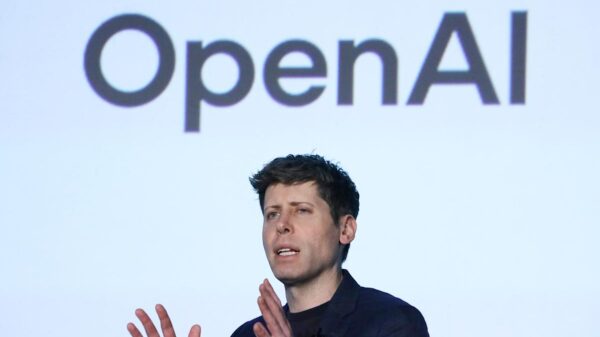












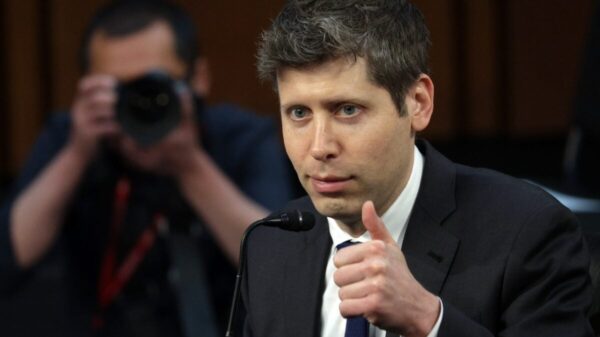






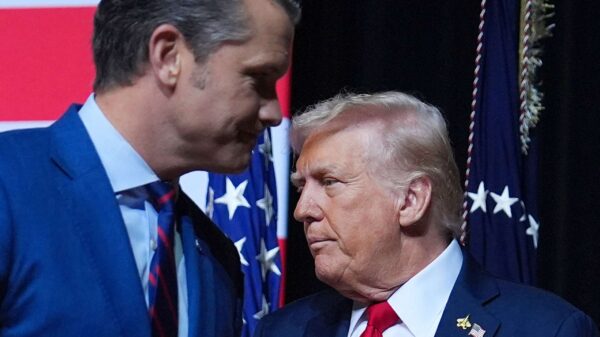

















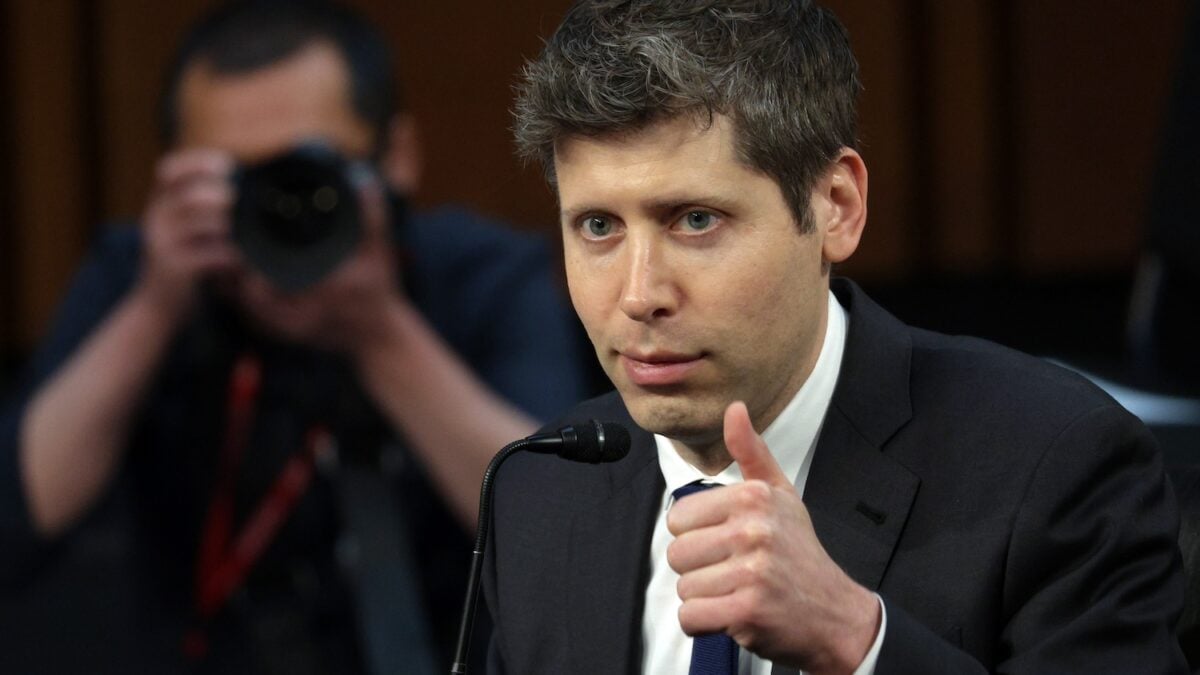
In a surprising development, Sam Altman, CEO of OpenAI, announced on X Friday evening that his company has reached an agreement with the Department of War to deploy its models within the Pentagon’s classified network. This significant timing positions Altman as a key figure in the intersection of artificial intelligence and military applications.
Just hours prior, OpenAI’s competitor, Anthropic, faced a serious setback when the Pentagon blacklisted its products, citing a designation of “supply-chain risk to national security.” The Pentagon’s Secretary of War, Pete Hegseth, stated that no company engaged with the Pentagon may conduct commercial activities with Anthropic due to concerns surrounding its technology’s potential use in mass surveillance and autonomous weapons, which the company has designated as “red lines.” This development underscores a tension within the U.S. defense ecosystem regarding AI ethics and deployment.
The criteria used by the Pentagon for such a designation remain unclear, as it is typically associated with companies linked to nations considered hostile to the U.S. This action appears to align with a broader, aggressive strategy seen in the current administration’s dealings, which has been characterized by punitive measures against those deemed unsatisfactory.
Anthropic was created as a response to perceived ethical lapses at OpenAI and has positioned itself as a champion of ethical AI standards, further complicating the rivalry between the two companies. Altman and Anthropic founder Dario Amodei have publicly demonstrated their animosity, notably declining to engage during a recent photo opportunity for AI leaders in India.
In leaked comments that surfaced around the time of OpenAI’s Pentagon deal, Altman seemed to attempt to assert a moral stance similar to that of Amodei regarding surveillance and autonomous weapons. However, these claims were dismissed by State Department official Jeremy Lewin, who implied that Altman’s principles were merely a facade, offering OpenAI little actual power over how the Pentagon utilizes its models. Lewin noted that OpenAI had “reached the patriotic and correct answer here.”
Altman’s criticism of Anthropic’s marketing strategies has also cast a shadow on his own company’s position. In his commentary on Anthropic’s Super Bowl advertisements, Altman suggested that the rival company was attempting to regulate the use of AI technology. He claimed that Anthropic “wants to control what people do with AI,” and accused it of excluding certain companies from utilizing its coding products.
Despite the competitive friction, Anthropic has seen substantial commercial success, with its flagship product, Claude Code, gaining traction in the market. This rise has positioned Anthropic as a formidable player in the AI sector, leading to it surpassing OpenAI in total cash raised this month.
Interestingly, Altman has framed his company’s offerings as more accessible to the average consumer, contrasting them with what he characterized as Anthropic’s focus on affluent clients. This populist angle, however, may not resonate with the public’s perception, as both companies operate subscription-based models.
The Pentagon has distanced itself from the notion that its actions against Anthropic are tied to the company’s ethical positions, asserting that it has only issued lawful orders. Despite Anthropic’s proactive measures to challenge the blacklisting, the perception of its brand may remain insulated from the current geopolitical turmoil.
Meanwhile, shortly after Altman’s announcement, the Pentagon initiated what President Trump termed “major combat operations” against Iran, further complicating the public perception of AI’s role in warfare. A recent poll indicated that a majority of Americans are skeptical of Trump’s handling of national security issues, particularly concerning military actions in the Middle East.
As these events unfold, it appears that Anthropic’s ethical positioning could serve as a buffer against negative public sentiment that may be associated with military AI applications. In contrast, OpenAI may find itself increasingly entangled in the narrative of being closely aligned with the U.S. military’s operations.
The Pentagon has stipulated that military contractors currently utilizing Anthropic products will have six months to phase them out, while the company prepares to contest this designation legally. With Anthropic’s branding potentially benefiting from the fallout of this conflict, the longer-term implications for OpenAI remain to be seen as it navigates its newly forged relationship with the Department of War.
See also Enhance Your Website”s Clarity for AI Understanding and User Engagement
 FoloToy Halts Sales of AI Teddy Bear After Disturbing Child Interactions Found
 AI Experts Discuss Vertical Markets: Strategies for Targeted Business Growth
 Law Firms Shift to AI-Driven Answer Engine Optimization for Enhanced Marketing Success
 Anthropic Disrupts State-Sponsored Cybercrime Using Claude AI, Reveals Key Insights