


















































Netflix, Google TV, and Amazon Fire TV are set to transform the streaming landscape this spring with the rollout of advanced AI personalization features. These updates aim to redefine how users discover and engage with content, promising a more intuitive viewing experience that shifts the paradigm of traditional streaming services.
Netflix is leading the charge with a redesigned user interface that integrates a Generative AI search capability, enabling users to describe their desired content in natural language. Chief Product Officer Eunice Kim has emphasized that this feature allows users to say something like “I want something funny and upbeat” rather than merely typing genres. This conversational approach enhances the content discovery process, making it feel more like a personalized conversation than a search task.
In addition to the AI search functionality, Netflix is introducing algorithmically generated FAST channels that create live-streaming experiences tailored to individual users. The updated homepage design will highlight key information, including Emmy Award Winner badges and trending shows, streamlining the decision-making process for viewers.
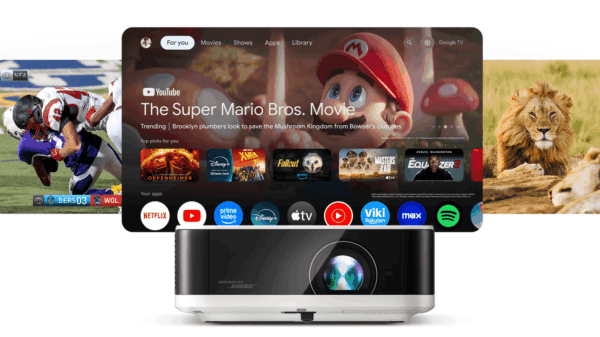
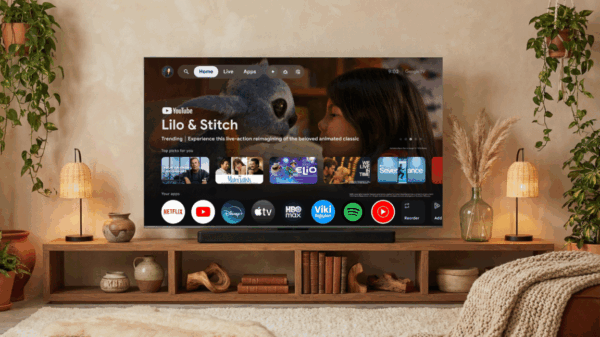
Google TV is also leveraging AI to enrich user engagement with its new Gemini AI features, which were unveiled at CES 2026. The standout innovation is the Deep Dive feature that crafts narrated, interactive educational slideshows, making complex topics accessible for family viewing. Additionally, AI-generated sports briefs automatically summarize games and link to highlight videos on YouTube, ensuring users are kept up to speed with relevant content.
Google TV has further enhanced its interface by adding voice controls, allowing users to adjust settings with natural speech rather than navigating through menus. This adaptation transforms the user experience, making it feel like an interactive conversation rather than a mechanical interface.
Amazon’s Fire TV is not to be outdone. The introduction of Alexa+ functionality enables users to jump directly to specific movie scenes simply by describing them. This feature improves the efficiency of content navigation, ensuring that viewers can quickly access their desired moments.
The overall trend among these platforms is a concerted effort to reduce friction in the viewing experience. The introduction of features like Netflix’s vertical video feed, Google’s educational narratives, and Fire TV’s scene-jumping capabilities exemplifies a commitment to bridging the gap between user intention and action. This shift is underpinned by machine learning algorithms that create hyper-personalized viewing experiences, adapting in real time to user preferences.
This evolution toward intelligent TV applications significantly reduces the time users spend scrolling for content. By providing better real-time recommendations that align with users’ current moods, platforms like Netflix are pushing the boundaries of personalized entertainment. Google’s educational features represent a new frontier, treating streaming not just as an entertainment medium but as a valuable learning opportunity.
The competitive landscape is heating up as these platforms strive to anticipate viewer desires before they are even articulated. The convergence of AI functionalities across Netflix, Google TV, and Amazon Fire TV is indicative of an industry-wide shift toward a more interactive and responsive content ecosystem.
However, as these innovations roll out, a critical concern remains: Will AI personalization enhance content discovery or merely reinforce existing preferences? As users engage with these smarter applications, it will be essential to balance familiarity with novelty, ensuring that audiences are exposed to both beloved favorites and new suggestions that broaden their viewing horizons.
As spring 2026 unfolds, these AI-driven advancements signify not just a technological evolution but a pivotal moment for streaming services, transforming the way audiences interact with content and redefining the medium as an adaptive entertainment experience.
See also TransUnion’s Matt Spiegel Emphasizes Human Oversight as AI Marketing Evolves
 Getsitecontrol Launches Three Free Tools to Optimize GIF and PDF Files for Email Marketing
 Enhance Your Website”s Clarity for AI Understanding and User Engagement
 FoloToy Halts Sales of AI Teddy Bear After Disturbing Child Interactions Found
 AI Experts Discuss Vertical Markets: Strategies for Targeted Business Growth