










































As artificial intelligence tools proliferate, their integration into search engine optimization (SEO) strategies is becoming essential for marketing professionals. Recent advancements have unveiled a suite of AI capabilities that not only streamline content creation but also enhance keyword analysis and competitor research, crucial elements in an increasingly competitive digital landscape.
Among the noteworthy tools is Semrush Enterprise AI Optimization, designed for enterprise-level AI monitoring. It enables businesses to track performance metrics across major AI search platforms such as ChatGPT, Perplexity, Gemini, and Claude. According to Semrush data, the average visitor from large language model (LLM) search engines is valued at 4.4 times more than a visitor from organic search, underscoring the need for brands to adapt rapidly to these changes. This tool offers actionable insights on brand visibility, keyword trends, and sentiment analysis, making it indispensable for organizations with dedicated marketing teams.
Another critical player in this arena is Ahrefs Brand Radar. This tool focuses on tracking a brand’s AI performance, providing detailed visibility metrics across various platforms. It features a unique Topics report that allows users to monitor their mentions and citations in AI conversations, as well as how competitors are faring. The ability to drill down into specific topics enhances competitive analysis significantly, making it a valuable resource for medium to large enterprises.
Semrush’s Personal Keyword Metrics add another layer of sophistication to keyword research. By utilizing AI, it offers personalized keyword difficulty scores and extensive keyword databases that cater to specific domains. This function is particularly beneficial for content marketers seeking a competitive edge, as it surpasses traditional keyword research capabilities with insights tailored to individual websites.
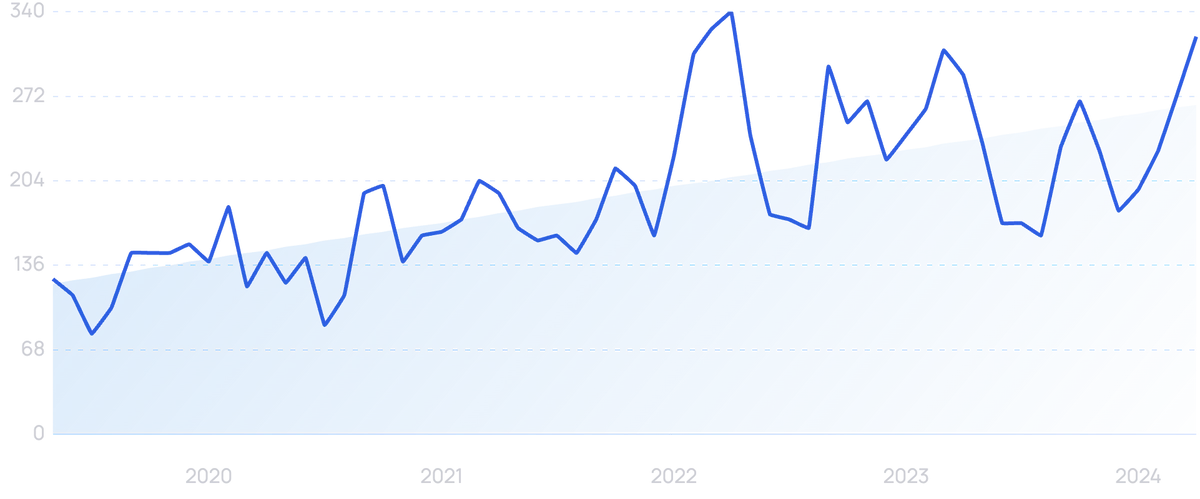
In the realm of trend discovery, Exploding Topics shines by identifying emerging subjects before they hit mainstream awareness. This tool allows businesses to capitalize on trending topics, thus elevating their content strategies ahead of competitors. It’s particularly useful for niche content creators looking to stake their claim in less crowded markets.
RankIQ serves as an effective tool for niche blogging, focusing on low-competition keywords that can provide quick rankings in search engines. Its curated database offers a treasure trove of opportunities for bloggers to find relevant topics that are often overlooked by larger players. Conversely, SurferSEO optimizes content by analyzing top-ranking articles and providing real-time suggestions for keyword integration, which can significantly speed up the content creation process.
For teams focused on maintaining a consistent brand voice, Jasper offers features that allow for AI-driven content generation. This tool learns from existing content to produce writing that aligns with a brand’s tone, thus enhancing marketing consistency across various channels.
On the technical side, Alli AI automates site-wide SEO fixes, integrating seamlessly with content management systems to rectify issues across multiple pages. This capability is particularly vital for larger websites, where managing technical SEO can become cumbersome. Lastly, ChatGPT continues to be a powerful resource for brainstorming and ideation, assisting marketers in analyzing keyword data and generating content ideas based on user queries.
As AI technologies evolve, the importance of these tools cannot be overstated. They offer not just efficiency but also a nuanced understanding of how customers are engaging with content. The capacity to deliver real-time data insights allows marketers to pivot strategies quickly and effectively, thereby enhancing overall campaign performance.
Looking ahead, as more businesses embrace AI technologies in their SEO strategies, the competitive landscape will likely become even more dynamic. The tools that effectively harness AI capabilities will be crucial for brands striving to maintain visibility and relevance in an ever-changing digital market.
See also OpenAI Reveals 12 AI Marketing Trends for 2026 Impacting SEO and Content Strategies
 Validity Launches AI-Driven Engage Platform to Enhance Email Campaign Outcomes
 Validity Launches Next-Gen AI Platform “Engage” to Optimize Email Campaigns with 2.5B Data Points
 HCLTech and Cisco Launch AI-Powered Fluid Contact Center to Enhance CX Efficiency