
















































SAN JUAN, Puerto Rico — As artificial intelligence (AI) redefines the marketing landscape, a new hierarchy of influence is beginning to emerge. While automation is poised to take on more of the daily mechanics of marketing campaigns, some industry leaders argue that this shift will elevate the importance of human skills in interpreting consumer insights, building brands, and developing campaigns grounded in a comprehensive understanding of data.
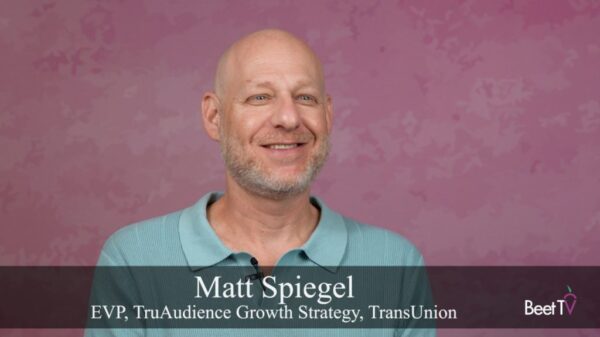
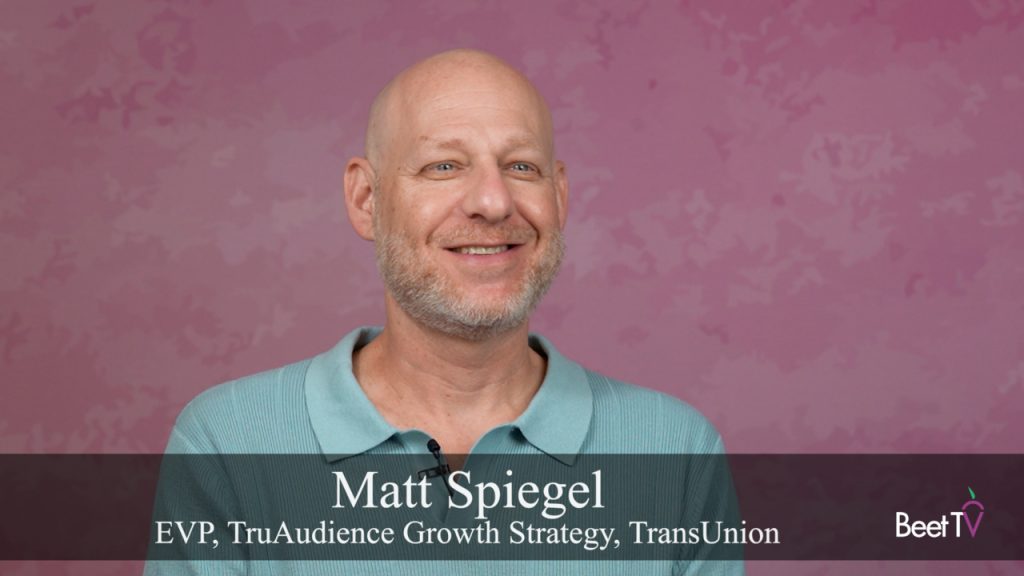
Matt Spiegel, executive vice president of TruAudience growth strategy at TransUnion, emphasized this balance during an interview with Beet.TV. He stated that although automation is both necessary and inevitable, the notion of a fully autonomous marketing future devoid of human oversight is unlikely to materialize. “I just don’t envision a world anytime soon where we wake up and humans aren’t touching the process at all,” Spiegel remarked.
A common misconception is that the rise of AI will lessen the need for detailed consumer identity. Spiegel challenges this notion, calling it a “myth.” He argues that as agentic systems become more prevalent, a deeper understanding of consumers will become critical for their effectiveness. “Yes, we’re going to change how we transact on that. We’re going to change where the decisions happen,” he said. “But the idea that we’re all just want to move to a world where it’s just anonymized agentic decisions with no consumer insights… that’s not going to be real.”
TransUnion has been actively demonstrating the correlation between robust data and superior AI performance. In a recent partnership, the company integrated its TruAudience dataset with Actable’s machine learning models, resulting in a 10% increase in predictive accuracy. This underscores the importance of a solid identity foundation in AI-driven marketing efforts.
The transition toward automation is not unprecedented. Spiegel likened it to earlier developments in search bidding and programmatic buying, which he referred to as initial forms of agent-based systems. He characterized the current evolution of AI as an advancement of these concepts “on steroids.” Nevertheless, he maintains that human oversight remains essential. “There’s more to it than just is that particular campaign working,” he noted, indicating the complex layers that necessitate human validation.
A recent Forrester report on B2B trends projected that 19% of buyers using generative AI tools feel less confident in their purchasing decisions, often due to the questionable reliability of AI-generated information. This statistic highlights the ongoing relevance of human validation in an increasingly automated landscape.
Spiegel also emphasized that the pace and extent of automation will be fundamentally shaped by organizations’ ability to maintain governance, compliance, and brand safety. He views these factors as critical controls that will naturally limit the shift toward a completely hands-off model. “That is to me the predominant question and it will be the governor on just how much automation happens,” he explained.
With estimates from firms like Gartner predicting that worldwide AI spending could reach $2.52 trillion by 2026, the scale of this transformation is significant. Yet Spiegel cautioned against making definitive predictions about the future of this landscape. “Anyone that has a firm answer of exactly how this is going to go is predicting the future,” he remarked, encapsulating the uncertainty that accompanies this technological evolution.
As the industry gathers insights from events like the Beet Retreat San Juan 2026, it’s evident that while automation is set to transform marketing practices, the intricate interplay between human judgment and machine efficiency will remain a critical factor in shaping effective strategies.
See also Getsitecontrol Launches Three Free Tools to Optimize GIF and PDF Files for Email Marketing
 Enhance Your Website”s Clarity for AI Understanding and User Engagement
 FoloToy Halts Sales of AI Teddy Bear After Disturbing Child Interactions Found
 AI Experts Discuss Vertical Markets: Strategies for Targeted Business Growth
 Law Firms Shift to AI-Driven Answer Engine Optimization for Enhanced Marketing Success