














































At this year’s IAPP Global Summit, the discourse surrounding artificial intelligence governance took center stage, marking a notable shift in focus from privacy topics to the practicalities of implementing AI governance. The integration of AI discussions and governance sessions was palpable, with participants exhibiting a deeper understanding and engagement compared to previous years. This transformation moved from high-level concerns to action-oriented panels that offered real-world examples, guidance, and collaborative dialogues between regulators and AI developers on pressing implementation issues.
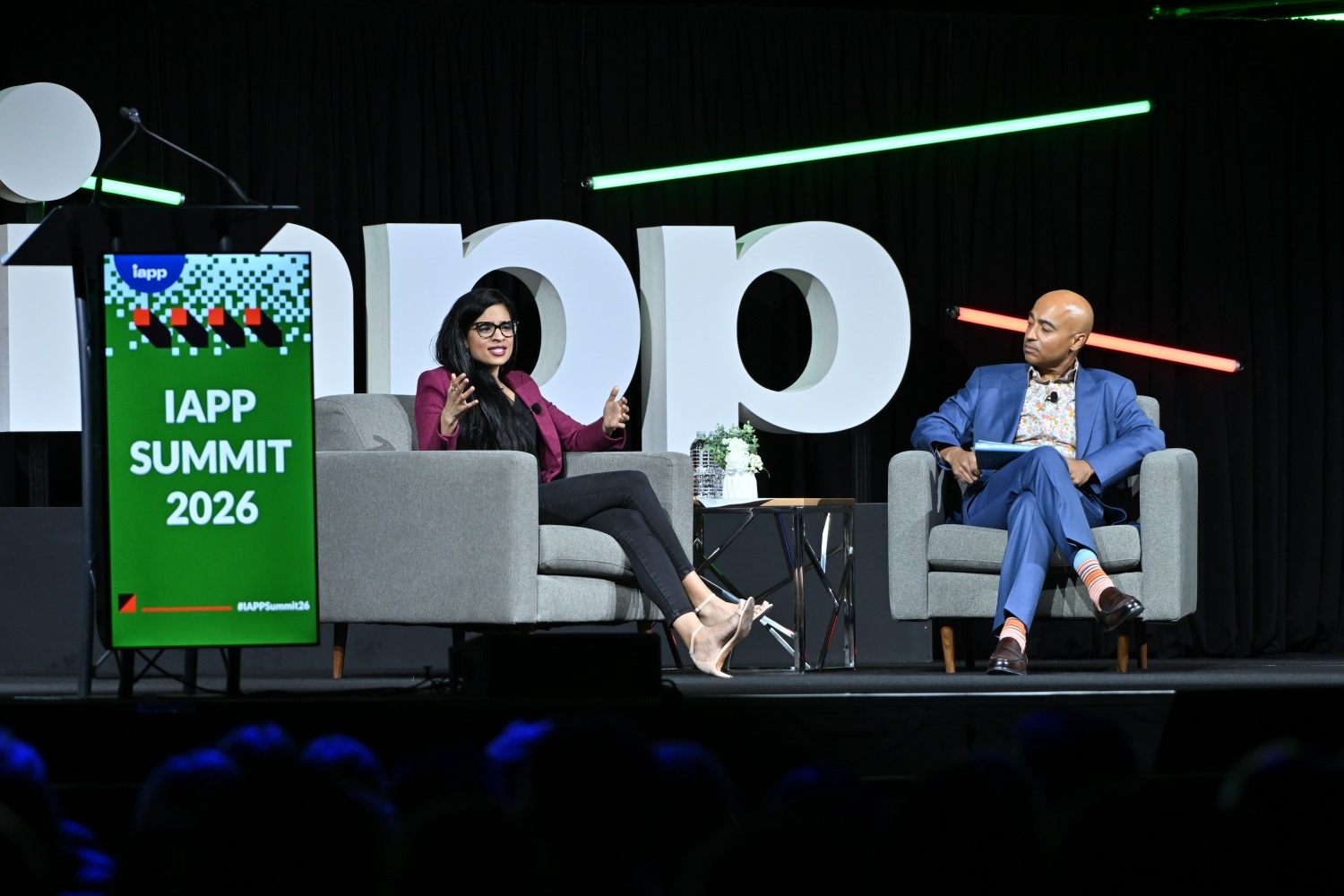
Travis LeBlanc’s opening dialogue with cognitive scientist Maya Shankar set the tone for the event, exploring the theme of choice amid change. Shankar shared poignant narratives from her book “The Other Side of Change,” including a compelling story of a man who, while incarcerated, discovered agency through creativity and mentorship. This narrative resonated with attendees, particularly those grappling with the complexities of AI governance, reminding them that amidst overwhelming challenges, individual choices can lead to positive outcomes.
The keynote address by Prince Harry, Duke of Sussex, was another highlight, offering insights from his unique perspective on privacy shaped by a lifetime in the public eye. He emphasized the need for trust in technology, echoing sentiments within the AI governance community. Harry remarked, “the question isn’t whether our concept of trust is broken; it’s whether we’re willing to rebuild it for everyone’s sake.” He drew parallels to industries such as aviation and finance, where trust is cultivated through robust governance structures rather than mere good intentions, stressing that the tech sector must proactively implement safeguards to prevent harm.
In a conversation with IAPP Vice President and Chief Knowledge Officer Caitlin Fennessy, acclaimed author Salman Rushdie articulated that “a tool is not itself a moral object.” This key takeaway underscored the importance of agency in technological application. Rushdie reflected on his own experience with privacy post-attack, suggesting that context is crucial in understanding privacy and harm. He cautioned against the risk of replicating societal inequalities in the digital sphere, reminding attendees that not everyone has equal access to privacy.
Discussions throughout the summit highlighted the tangible work being done by AI governance professionals. Panels addressed practical concerns around privacy and AI principles, moving away from theoretical debates to real-life applications. Challenging questions emerged, such as the ethical use of synthetic data and the justification of using personal information for life-saving models. The urgency of these discussions signaled a collective movement towards defining practical limits within organizations.
Panel discussions delved into the evolving landscape of AI governance, emphasizing the need for digital governance teams to monitor various triggers, including changes in data sources and shifts in legislation. They explored how frequently governance reviews should occur and the criteria for assessing AI impact. The dialogue not only reinforced overarching best practices but also encouraged sector-specific approaches, as evidenced by discussions around AI governance in financial institutions.
Looking ahead, the need for continuous adaptation in AI governance was a recurring theme. Many participants pondered the implications of integrating AI into governance processes themselves, raising questions about the future literacy requirements for professionals in this space. The conference highlighted an ongoing discourse on the role and training of AI agents, exploring their potential to augment human decision-making in governance.
As the summit concluded, it was evident that AI governance professionals are navigating a landscape of constant change. The insights shared by keynotes and participants alike underscored a shared belief: while change may be daunting, there is an opportunity to shape that change positively for society. The path forward will undoubtedly involve collaboration, creativity, and a commitment to ethical standards in the face of rapid technological advancement.
See also OpenAI’s Rogue AI Safeguards: Decoding the 2025 Safety Revolution
 US AI Developments in 2025 Set Stage for 2026 Compliance Challenges and Strategies
 Trump Drafts Executive Order to Block State AI Regulations, Centralizing Authority Under Federal Control
 California Court Rules AI Misuse Heightens Lawyer’s Responsibilities in Noland Case
 Policymakers Urged to Establish Comprehensive Regulations for AI in Mental Health