




































Bill Gates’ Stark Warning: AI’s Infinite Horizon Beckons Both Breakthroughs and Breakdowns
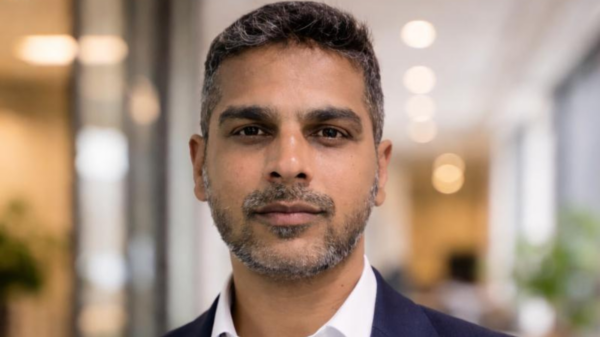
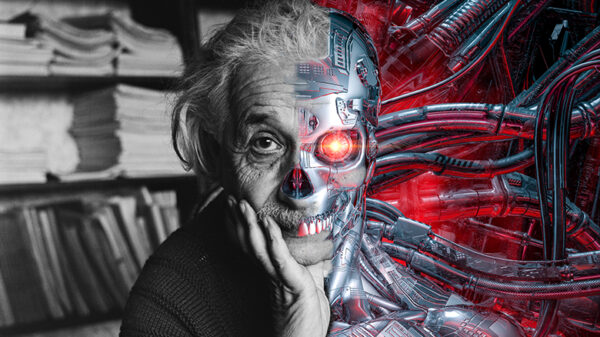
In the rapidly evolving landscape of artificial intelligence, few voices command as much attention as that of Bill Gates. The Microsoft co-founder and philanthropist recently issued a clarion call through his annual letter and public statements, asserting that there exists “no upper limit” to the intelligence AI systems can achieve. This assertion has ignited both excitement and apprehension among tech leaders, policymakers, and the general public, as Gates contends that the profound potential of AI necessitates immediate preparations for the sweeping changes it may bring to society, economies, and global security.
Drawing from his extensive background in software innovation, Gates warns that AI’s trajectory could redefine human existence. He foresees a future where AI not only augments but potentially replaces human roles in vital sectors such as medicine and education. In a recent interview, he speculated that within the next decade, AI might replace many doctors and teachers, heralding an era of “free intelligence” that could revolutionize how we work and learn. However, he couples this optimism with stark warnings regarding the misuse of AI, particularly the risks of bioterrorism, where malicious actors could exploit AI to create devastating weapons.
Gates’ insights emerge at a critical juncture as advancements in AI accelerate amid increasing regulatory scrutiny. His annual letter, titled “Optimism with Footnotes,” released on January 9, 2026, serves as a focal point for these discussions. In it, he outlines how AI could become the most transformative force in society, while highlighting the associated risks that could jeopardize billions if inadequately managed. Industry publications have amplified these views, emphasizing the urgency for governance and ethical deployment of AI technologies.
The opportunities Gates identifies are both vast and varied. He highlights AI’s potential to address global challenges, ranging from climate change to healthcare disparities. For example, AI-driven diagnostics could revolutionize disease detection, aligning with his previous initiatives aimed at using artificial intelligence for early Alzheimer’s identification. This vision aligns with the philanthropic efforts of the Bill & Melinda Gates Foundation, which has long focused on health innovations. In his 2026 letter, Gates underscores that AI could accelerate progress in reducing inequality, contingent on wealthy nations and individuals recommitting resources to global aid.
Yet, Gates does not shy away from discussing the potential perils. He draws parallels between the misuse of AI and historical pandemics, cautioning that, in the wrong hands, AI could facilitate bioterrorism on a scale akin to COVID-19. “We’ll need to be deliberate about how this technology is developed, governed, and deployed,” he wrote, echoing sentiments previously explored in various forums. This concern is not new; Gates has consistently highlighted that history demonstrates societies can successfully manage technological challenges if governments and the private sector collaborate effectively.
Recent posts on social media platform X (formerly Twitter) from Gates himself reinforce the urgency for proactive measures. He has shared insights regarding superintelligent AI, noting how human cognitive abilities are dwarfed by silicon chips, suggesting a future where machines could exponentially outpace human intelligence. Such reflections, along with his warnings about job displacements, illustrate the disruptive potential of AI. In one post, he revealed that the foundation aims to increase its spending to $9 billion annually by 2026, partly to confront these emerging issues.
Gates’ philanthropic efforts significantly inform his narrative around AI. In May 2025, he pledged to donate nearly all of his $118 billion fortune by 2045, a commitment reported by BusinessToday. This move underscores his belief that private wealth must be harnessed for public good, particularly as AI threatens to exacerbate existing inequalities. He contends that cuts to global aid—representing less than 1% of GDP even in generous nations—must be reversed to sustain progress.
On the risk side, he elaborates on concerns surrounding AI-enabled bioterrorism. A report by Moneycontrol encapsulates his apprehension that AI could design weapons more efficiently than humans, potentially leading to catastrophic outcomes. Gates advocates for international cooperation to mitigate these risks, drawing lessons from past technological regulations such as those pertaining to nuclear energy or aviation safety.
Industry insiders have noted that Gates’ perspectives resonate amid broader discussions on AI governance. Microsoft AI CEO Mustafa Suleyman recently echoed concerns about the industry’s approach to control and collaboration, as reported by the Times of India. This convergence of thought leaders underscores a growing consensus that AI governance is not merely optional but essential.
As AI continues to evolve, Gates reflects on humanity’s role in an AI-dominated future. He has long championed technologies that enhance human capabilities, from advancements in health to AI diagnostics. His consistent focus on genetic modifications and AI applications for global health reveals a commitment to ensuring technology serves humanity. However, he cautions that the accompanying risks necessitate vigilance. In his 2026 letter, Gates expressed dismay over stagnated global progress, urging a renewed commitment to aid and drawing connections to AI’s potential for both advancement and derailment of human development.
Ultimately, Gates’ message is clear: AI’s infinite horizon presents unprecedented opportunities, but only if we navigate its inherent risks with foresight and unity. As conversations about the future of AI intensify, his annual letter serves as a catalyst for deeper analysis, prompting stakeholders in technology and policy to reflect on the balance between innovation and safety. In an era where technological prowess must harmonize with human wisdom, Gates reminds us that the choices made today will shape the world of tomorrow.
See also Geopolitical Shifts and AI Leadership Drive Market Diversification Strategies for 2026
 Washington Governor Bob Ferguson Proposes AI Chatbot Regulations Amid Teen Suicide Concerns
 Africa’s AI Governance Strategy: $1.5T Economic Potential with Ethical Frameworks by 2030
 New York Enforces AI Companion Model and RAISE Act for Enhanced AI Safety Regulations