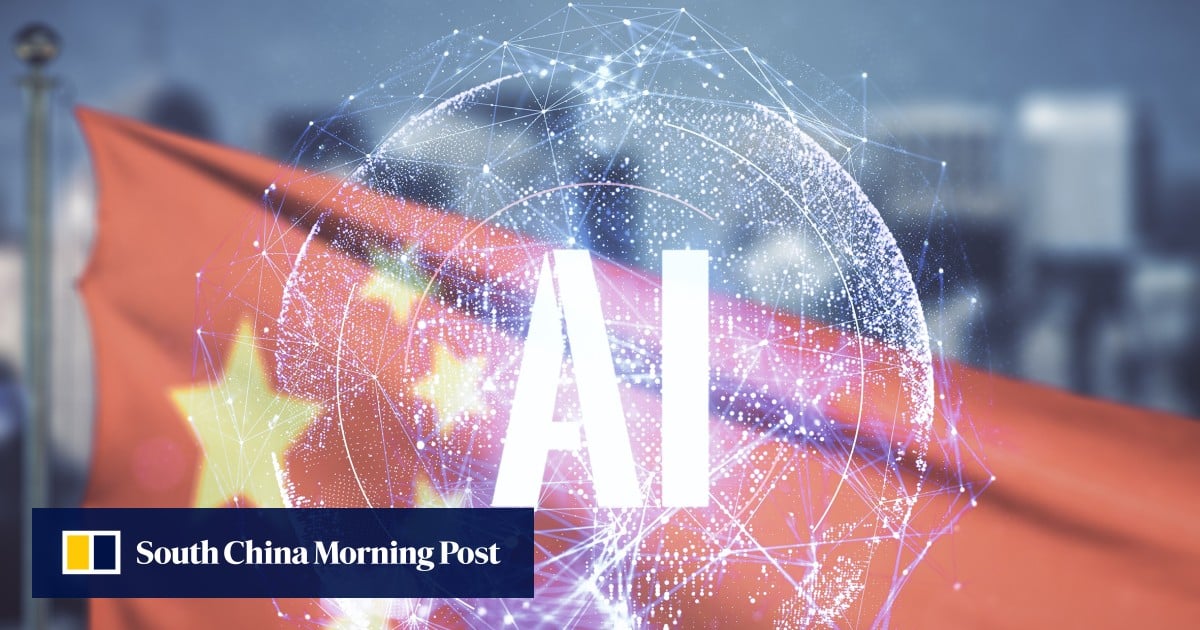
China’s open-source artificial intelligence models have made significant strides, potentially matching or even surpassing their U.S. counterparts in both capabilities and adoption, according to a report released by Stanford University on Tuesday. The findings from the university’s DigiChina Project highlight the growing prominence of Chinese AI technologies in the global landscape.
The report emphasizes that the advancements in China’s AI sector necessitate a reevaluation of U.S. strategies, urging American firms to engage in “selective engagement” with Chinese AI laboratories, academics, and policymakers. This engagement is particularly critical given the array of governance and safety challenges that Chinese AI entities face.
Compiled by Stanford’s Center for International Security and Cooperation and its Institute for Human-Centered Artificial Intelligence, the report cites the increasing influence of Chinese-developed open-weight models, characterizing them as “unavoidable” in the modern AI competitive landscape. The authors argue that collaboration with Chinese counterparts can enrich understanding of the risks posed by open-weight AI models, as well as evaluate the effectiveness of various safety measures.
As the report details, Chinese developers, exemplified by companies like DeepSeek, are adopting more permissive licensing terms that grant users greater flexibility in deploying and modifying their models. This open-source approach starkly contrasts with the proprietary nature maintained by leading U.S. firms such as OpenAI and Google DeepMind, which have opted to restrict access to their advanced models.
Data from the report indicates that Chinese open models are performing at “near state-of-the-art levels,” positioning them as leaders in the open-source segment and closely trailing the performance of leading closed models from U.S. competitors. This shift marks a notable change in the dynamics of AI development, where traditional power balances are being reconsidered.
The implications of these findings extend beyond mere competition; they pose critical questions about the future landscape of AI governance and safety. As the global community continues to grapple with issues related to AI ethics and regulation, the report suggests that increased cooperation could help mitigate risks associated with the rapid deployment of these technologies.
Looking ahead, the ongoing evolution of AI capabilities in both China and the United States will likely shape the strategic landscape of technology development and international relations. As each nation navigates the complexities of AI, the potential for collaborative frameworks may emerge, offering pathways to address shared challenges in governance and safety.
See also Pennsylvania AG Defends State AI Laws Amid Federal Executive Order Overhaul
 Manufacturers Must Tackle 4 Key Priorities to Safely Deploy AI Amid Cyber Threats
 State Laws Surge as Trump’s AI Order Exempts Data Center Regulations
 Dr. Adaeze Oreh Transforms Rivers State Healthcare with $5.1M Funding, 134% Contraceptive Visit Increase
 MHRA Launches Call for Evidence on AI Regulation Amid Healthcare Transformation