









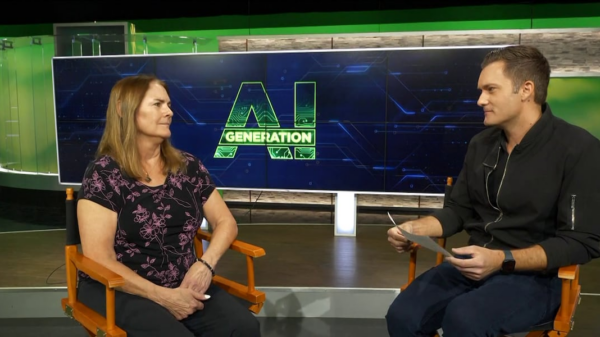









































In a notable display of bipartisan collaboration, members of Congress engaged with leaders from the rental housing industry during the OPTECH 2025 conference, held in November. The discussions, which took place via hologram technology, focused on pressing issues such as artificial intelligence, data privacy, and broadband access. Both lawmakers and industry representatives underscored the importance of ongoing engagement, emphasizing that current decisions are pivotal in shaping the future of technology policy for the rental housing sector.
Organizations such as the Real Estate Technology and Transformation Center (RETTC) and the National Multifamily Housing Council (NMHC) play a crucial role in bridging the gap between policymakers and industry needs. As technology increasingly influences rental housing, these organizations advocate for informed regulatory strategies that are essential for navigating complex issues like AI governance and broadband deployment. Their efforts aim to educate lawmakers and maintain bipartisan relationships, which are vital in ensuring regulations support innovation rather than stifle it.
Senator Shelley Moore Capito (R-WV) participated in the conference via hologram, sharing insights from her leadership roles on the Senate Committee on Environment and Public Works and the Senate Commerce Committees. She highlighted the connection between affordability and regulatory efficiency, noting that delays and duplicative oversight can inflate costs before a community even opens its doors. On the topic of artificial intelligence, Capito emphasized the need for balance, stating, “We want to harness the good that AI can bring while making sure there are protections in place that people can trust.” Her remarks resonated with attendees, reinforcing the idea that innovation and accountability can coexist when policy is shaped with industry input.
This theme was echoed in a subsequent discussion led by Representatives Jay Obernolte (R-CA) and Ted Lieu (D-CA), co-chairs of the House Bipartisan Task Force on Artificial Intelligence. Their collaborative efforts have produced a comprehensive federal report with over 60 recommendations for AI governance. This task force stands out for its unique structure, featuring equal representation from both parties and a requirement for unanimous agreement on all recommendations. Obernolte articulated this approach by stating, “In the United States, we regulate outcomes, not tools.” The task force advocates for empowering existing regulators to oversee AI applications within their specific sectors, rather than implementing a one-size-fits-all federal law.
For professionals in the rental housing industry, this sector-based regulatory framework carries significant implications. By allowing agencies familiar with housing law to govern AI applications, the risk of unintended consequences—such as discouraging innovation—can be mitigated. Congressman Lieu emphasized the importance of maintaining consumer trust, stating, “AI can help increase efficiency and expand access, including in housing. But guardrails are necessary when AI decisions affect people’s lives.”
Both lawmakers acknowledged the challenges posed by the rapidly evolving landscape of state-level AI and data privacy laws. With various states advancing their own frameworks, compliance has become increasingly complex, especially for smaller housing providers and tech startups. Lieu warned that without a cohesive national standard, innovation may become concentrated among larger players, while Obernolte noted that regulatory uncertainty could delay beneficial investments in new technologies.
As the policy landscape evolves, recent developments, including President Donald Trump’s newly announced AI initiative, call for the elimination of state laws that hinder a unified national AI strategy. This raises critical questions for rental housing leaders regarding how federal preemption will interact with the bipartisan, sector-based approach that Congress has been developing. The discussions at OPTECH indicated that lawmakers recognize the need for a balanced regulatory environment that fosters innovation while being informed by industry realities.
Ultimately, the future of AI policy in the rental housing sector will likely be shaped through ongoing collaboration between policymakers and industry leaders. This moment not only presents regulatory challenges but also offers a unique opportunity to define how emerging technologies can enhance the experience for residents and support long-term affordability in housing.
See also South Carolina Chamber Calls for AI Regulation Amid Trump’s Federal Oversight Order
 China Proposes New AI Chatbot Regulations to Mitigate Addiction and Ensure User Safety
 One in Three South Africans Unaware of AI, Raising Urgent Policy Concerns
 New York’s RAISE Act Mandates $500M Revenue Threshold for AI Compliance by 2027
 DeSantis Asserts Florida’s Right to Regulate AI Despite Trump’s Executive Order