














































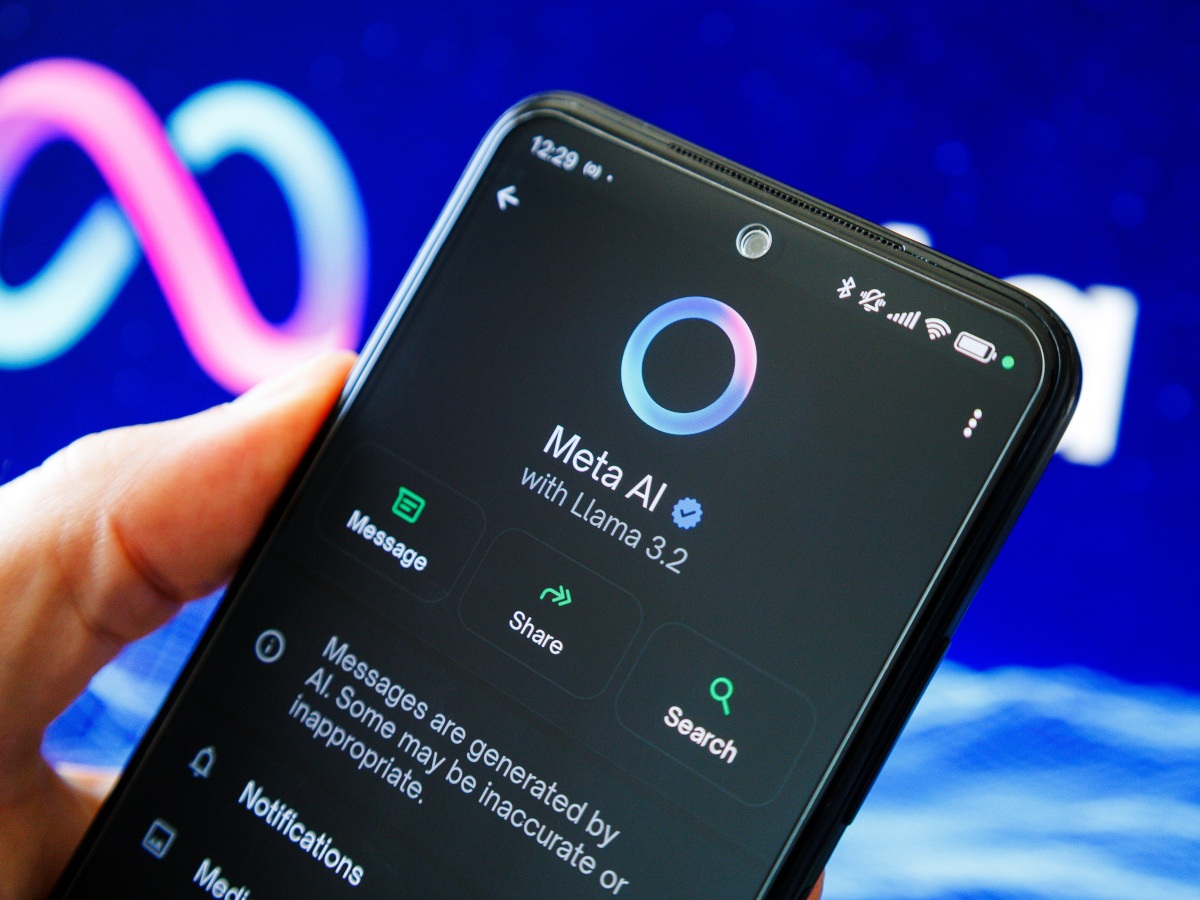
The European Union has opened an antitrust investigation into Meta, focusing on the tech giant’s new policy regarding artificial intelligence (AI) provider access to WhatsApp. The inquiry, announced on December 4, 2025, is part of the EU’s broader efforts to regulate Big Tech companies and ensure fair competition within the European Economic Area (EEA).
According to the European Commission, the investigation will evaluate whether Meta’s updated WhatsApp Business Solution Terms violate EU competition rules. The primary concern stems from the new policy, which potentially restricts competing AI providers from reaching customers through WhatsApp, while allowing Meta’s own AI system continued access on the platform.
Under the policy, which was introduced in October 2025, AI providers are prohibited from utilizing a tool that enables businesses to communicate with customers via WhatsApp, provided that AI is the main service offered. Though businesses can still use AI tools for ancillary functions such as automated customer support, the Commission fears that the new restrictions may hinder third-party AI providers from delivering their services through WhatsApp within the EEA.
For AI providers already utilizing WhatsApp, the policy will take effect on January 15, 2026. Meanwhile, the restrictions have been in place for new AI providers since October 15, 2025. This investigation falls under traditional antitrust laws rather than the recently enacted Digital Markets Act, under which Meta was among the first tech firms penalized for non-compliance.
Earlier reports from the Financial Times indicated that the EU was preparing to launch a probe into Meta’s AI integrations with WhatsApp, following conversations with EU officials. The scope of the investigation will encompass the EEA, excluding Italy, to prevent overlap with an ongoing inquiry from the Italian competition authority.
Meta is already facing scrutiny from the Italian Competition Authority regarding its integration of AI with WhatsApp. This probe, initiated in July, centers on Meta’s decision to pre-install its AI on the messaging app, with the authority alleging that this move constitutes an abuse of the company’s dominant market position in consumer communications apps.
The Italian authority stated, “By combining Meta AI with WhatsApp, Meta appears capable of channelling its customer base into the emerging AI market, not through merit-based competition, but by ‘imposing’ the availability of the two distinct services upon users, potentially harming competitors.” The agency expanded its investigation last month concerning the new business policy and is considering interim measures related to the AI integration.
Meta has faced a series of regulatory challenges recently, marked by a mixed bag of legal outcomes. Last month, a court in Madrid ruled that the company must pay €479 million to 87 Spanish digital media outlets and news agencies for violating the EU General Data Protection Regulation. This ruling followed a significant legal victory for Meta, where a US court determined that the company did not breach antitrust law in its acquisitions of Instagram and WhatsApp.
Meanwhile, an EU preliminary ruling in October found that Meta does not provide Instagram and Facebook users with straightforward mechanisms to report illegal content or contest content moderation decisions. As the investigation by the EU unfolds, the implications could be substantial not only for Meta but also for the broader landscape of AI integration across communication platforms in the region.
With the regulatory pressures mounting, Meta’s future strategy regarding AI and its messaging services will likely be closely watched by both competitors and regulators alike. The outcomes of these investigations may set critical precedents for how technology companies navigate their market dynamics in the evolving landscape of digital communication.
See also Italian Researchers Reveal Poetic Prompts Bypass AI Chatbot Safety with 62% Success Rate
 Trump’s AI Regulation Ban Faces Major Setback as GOP Leadership Shifts Focus
 Kovr.ai Partners with Carahsoft to Streamline Cyber Compliance for Government Agencies
 AI Enhances Healthcare Communication Efficiency with 20% Market Growth Expected by 2030
 UNDP Reports AI Could Exacerbate Global Inequality, Urges Immediate Action from Governments