































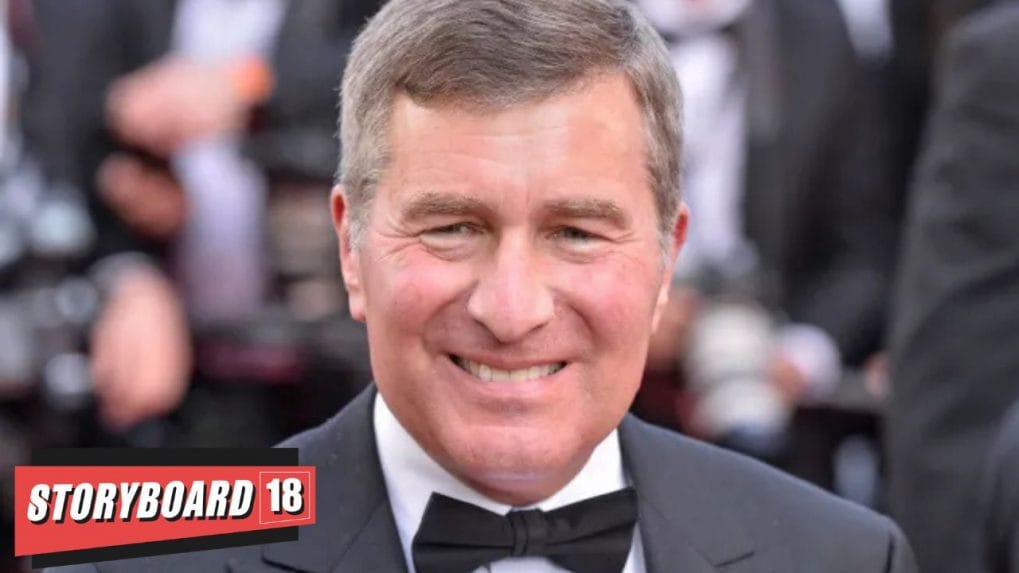
As artificial intelligence reshapes creative industries worldwide, India is emerging as a pivotal player in the evolving discourse on technology, copyright, and creativity. This assessment was made by Charles Rivkin, Chairman and CEO of the Motion Picture Association, during recent remarks that highlighted India’s status as a “first tier” AI nation. Rivkin emphasized that robust copyright protection will be crucial in influencing the flow of global investment into the country.
Rivkin pointed out that India’s growing influence is becoming increasingly apparent in international discussions concerning AI regulation, particularly around issues of intellectual property, deepfakes, and the future of creative work. He commended policymakers in New Delhi for their proactive stance in acknowledging both the potential of AI and the dangers associated with its unchecked deployment.
India’s distinct approach to AI governance sets it apart from many other jurisdictions struggling to find a balance between innovation and regulation. According to Rivkin, Indian lawmakers are engaging with creators and global studios to explore how AI can be harnessed responsibly while safeguarding the economic foundations of the media and entertainment sectors. This balanced approach is becoming increasingly rare globally, where many regions grapple with the pace of technological change.
Rivkin described copyright as the “currency” of the global entertainment industry, stressing that film and television studios have invested decades in building valuable content libraries that support billions of dollars in investment and employment. He warned that if companies fear their content could be misappropriated by AI systems without authorization, “investment will dry up,” noting that some studio catalogues took nearly a century to develop. For India, a rapidly expanding content market and production hub for global studios, its stance on copyright could significantly impact long-term investment decisions.
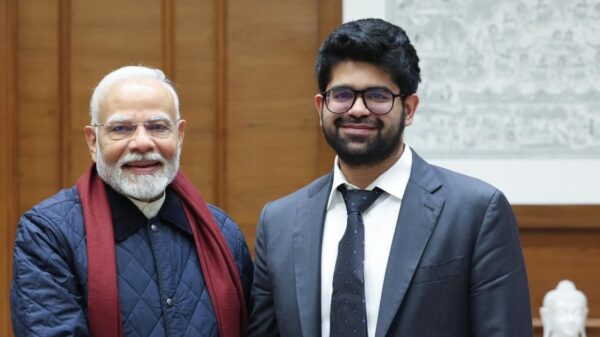
During his remarks, Rivkin referenced a recent discussion with Union Minister Ashwini Vaishnaw, highlighting the minister’s acute awareness of both the opportunities and challenges posed by AI. He credited Prime Minister Narendra Modi’s broader policy direction for positioning India as a serious contender in the AI landscape. Rivkin noted that Vaishnaw understands the necessity of ensuring that AI serves to augment human creativity rather than replace it, particularly in light of rising threats such as deepfakes, misinformation, and unauthorized use of actors’ likenesses.
Rivkin also underscored India’s unique leverage in shaping dialogues around cultural context and content regulation. He remarked that studios increasingly recognize the importance of localization and have produced hundreds of shows featuring Indian talent in recent years. While he cited the U.S. film ratings system as an example of effective industry-led self-regulation, he emphasized that each nation must create frameworks responsive to its own cultural realities, allowing India the flexibility to devise systems that protect audiences without stifling creativity.
Critically, Rivkin took issue with segments of the technology sector advocating for weaker IP protections as a means to foster innovation. He argued that copyright and technology have historically developed in tandem and dismissed the notion that AI-generated alterations of existing films or music could represent the future of creativity without appropriate permissions. Such unauthorized uses, he warned, amount to theft and jeopardize the ecosystem essential for content creation. He added that studios are open to exploring new licensing models that permit consumers to experiment with existing IP, provided that rights holders maintain control. Examples like Disney’s exploration of AI tools exemplify how regulated innovation can function effectively.
For India’s media, technology, and startup ecosystem, Rivkin’s message resonates clearly: certainty surrounding copyright and AI governance is becoming a competitive advantage. As global entertainment companies evaluate their options for investment and innovation, nations that strike a balance between strong intellectual property protection and ambitious AI initiatives are likely to attract disproportionate attention. Rivkin concluded by affirming that India possesses the talent, market potential, and policy direction necessary to lead in this domain, urging that guardrails must evolve in tandem with technology to maintain the creative momentum that propels the country into the global AI landscape.
See also Kyndryl Partners with Cisco and NVIDIA to Advance AI-Driven Network Autonomy
 Trump’s Executive Order Limits State AI Regulations, Aims for National Framework
 India Advocates Principles-Based AI Governance Model at AI Summit 2026 Over Standalone Law