
















































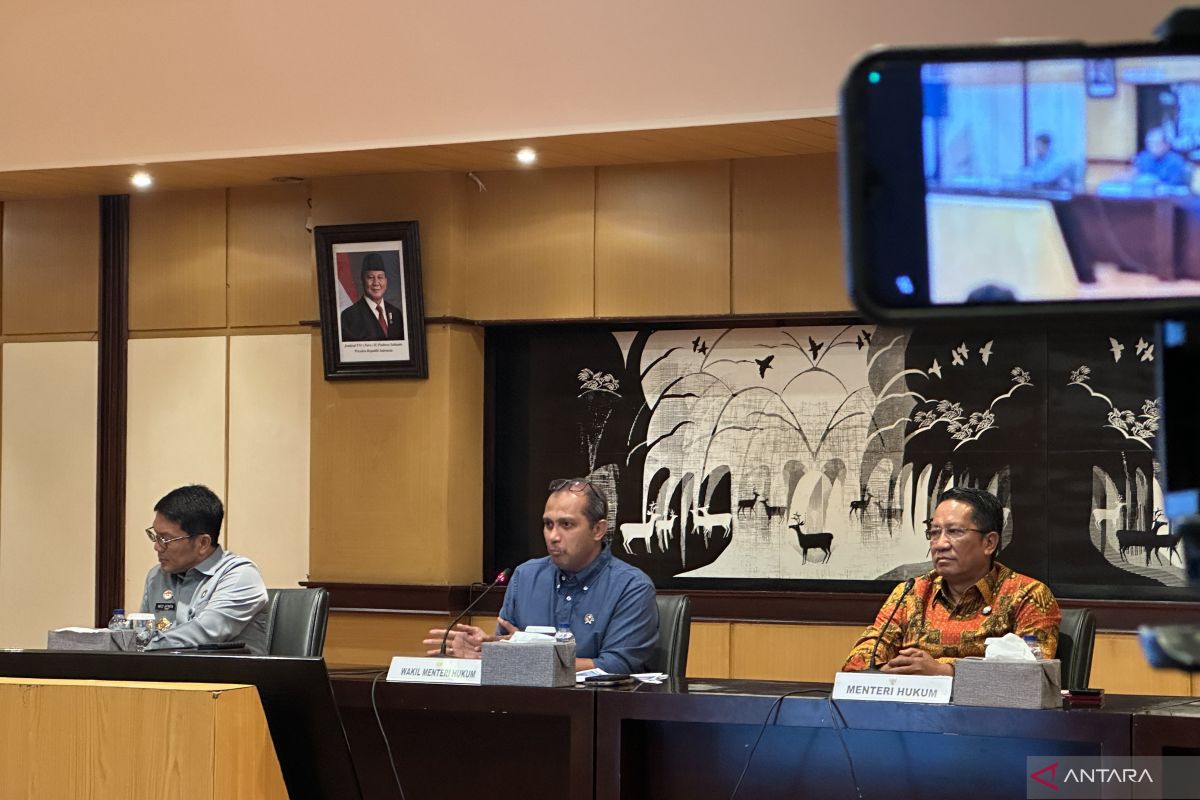
Jakarta (ANTARA) – Indonesia’s Law Minister, Supratman Andi Agtas, announced on Monday that a Draft Presidential Regulation will address the use of **artificial intelligence (AI)** within the framework of the newly enacted **Law Number 20 of 2025** concerning the **Criminal Procedure Code** (KUHAP). The regulation aims to enhance the country’s criminal justice system by leveraging technology to streamline procedures and safeguard the rights of individuals during interrogations.
During a press conference in Jakarta, Agtas detailed the potential for AI to facilitate electronic interrogation reports. He explained that these reports could be utilized during examinations to mitigate instances of intimidation or violence by investigators or other involved parties. “We are preparing all these advances for the implementation of our Criminal Procedure Code,” he stated, emphasizing the importance of modernization within law enforcement practices.
Deputy Minister **Edward Omar Sharif Hiariej** elaborated on the functionality of AI in this context, noting that statements from suspects or those being examined could be automatically transcribed by the technology. This would allow individuals to simply sign the documents, thereby reducing the chances of coerced or improperly documented statements during the interrogation process.
The proposed regulation is part of a broader initiative aimed at creating an **Information Technology-Based Criminal Justice System**. As stipulated in **Article 369** of the KUHAP, which was signed into law by **President Prabowo Subianto** and promulgated by Minister of State Secretary **Prasetyo Hadi** on **December 17, 2025**, the law became effective on **January 2, 2026**. The legislation underscores Indonesia’s commitment to integrating modern technologies into its legal framework.
Furthermore, **Article 30** of the KUHAP mandates that the examination of individuals suspected of criminal activity must be recorded via surveillance cameras throughout the interrogation process. Such recordings are intended for use in investigations, prosecutions, and as defense material for the suspect or defendant. However, further specifications regarding the implementation of this practice are yet to be established through a forthcoming **Government Regulation**.
This move towards incorporating AI in legal procedures is part of a larger trend within Indonesia’s government to utilize technology responsibly. Recent remarks from Deputy Minister Hiariej referenced concerns about “brain rot” stemming from premature AI adoption, highlighting the need for careful consideration in its application. The government has also urged the prudent use of AI in public communication to ensure transparency and maintain public trust.
Moreover, various ministries are exploring AI’s potential to enhance operational efficiency across sectors, including initiatives to digitize social protection services. This reflects a broader strategy to modernize public services and improve citizen engagement through technological advancements.
As Indonesia moves forward with these ambitious plans, the integration of AI within its criminal justice system raises important questions regarding the balance between innovation and ethical considerations. By establishing clear guidelines and regulations, the government aims to harness the benefits of AI while safeguarding individual rights and ensuring justice is served fairly and transparently.
Looking ahead, the successful implementation of these regulations could set a precedent for other countries in the region, potentially influencing global standards for the use of technology in legal frameworks. As the landscape of criminal justice continues to evolve, the role of AI in promoting transparency and efficiency will be closely monitored by various stakeholders within Indonesia and beyond.
See also Arhasi Introduces R.A.P.I.D. Framework to Scale AI with Trust and Orchestration
 Regulatory Changes Guide AI Innovation: 5 Key Strategies for Business Leaders
 North Middlesex Subcommittee Advances Cell Phone Policy, Tables Raffle Rule for Further Review
 UK’s AI Security Institute Reveals 62,000 Vulnerabilities in Leading AI Models