









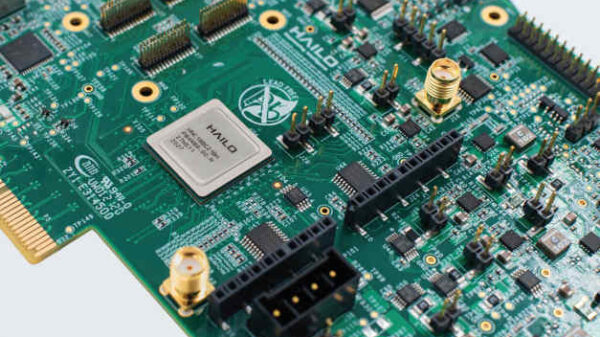





































In a significant intersection of technology and politics, Jensen Huang, CEO of Nvidia, recently met with former President Donald Trump and key U.S. lawmakers to address the implications of America’s chip export restrictions. This dialogue comes at a pivotal moment as the demand for advanced chips, which are essential for artificial intelligence (AI) development, grows increasingly competitive globally. As restrictions on chip exports tighten, the quest for AI supremacy intensifies, with potential repercussions that could reshape the future of technology.
The U.S. government has implemented stringent export controls on advanced AI chips in recent years, aimed at preventing these technologies from reaching rival nations. While these regulations are designed to safeguard national security, critics assert that they may be doing more harm than good to American companies. Huang has publicly voiced his concerns, stating that the export controls have significantly impacted Nvidia’s market presence in China, diminishing its share from around 95% to 50%. He characterized the export restrictions as a “failure,” contending that they have inadvertently accelerated innovation among Chinese firms rather than stifling it.
This situation presents significant challenges for Nvidia, not just in terms of revenue losses but also regarding its influence in the global AI ecosystem. Huang emphasized that China houses a substantial portion of the world’s AI researchers and developers, which further complicates Nvidia’s position as it navigates the complexities of U.S. policies.
During Huang’s meeting with Trump on December 3, 2025, he articulated concerns that the current U.S. chip-export policies and the “fragmented” approach to AI regulation could undermine America’s technological leadership. Trump praised Huang’s insights, indicating a recognition of the critical role that Nvidia and the semiconductor industry play in shaping the future of U.S. AI strategy.
Huang’s reference to “fragmented policies” highlights the convoluted landscape of rules and shifting export licenses that make strategic planning challenging for tech companies. This uncertainty can stifle innovation, as firms may hesitate to invest and researchers may delay projects while awaiting clearer guidance. As global competitors continue to advance, Huang warns that America’s leadership in technology is at risk.
The repercussions for Nvidia are tangible. Sales to China have plummeted as a result of the export restrictions, leading to substantial financial losses, including billions in unsold chips. Nevertheless, there is some hope for recovery. Nvidia has secured export licenses to send modified chips, such as the H20 model, to China and is contemplating the future export of its latest “Blackwell” chip lineup, contingent on the establishment of stable and transparent policies that Huang has been advocating.
The implications of this ongoing regulatory tug-of-war extend beyond corporate concerns; they could fundamentally alter the trajectory of global AI development. As U.S. policies potentially slow down domestic innovation, other countries, particularly China, are capitalizing on the opportunity to accelerate their own tech advancements. By restricting access to American-made chips, U.S. policies may unintentionally foster foreign innovation, leading to a shift in the balance of technological power.
Attention now shifts to Congress and the White House, where the future of U.S. chip and AI export policies hangs in the balance. Will lawmakers create a cohesive set of guidelines to facilitate innovation while ensuring national security? Or will restrictions tighten further, potentially hampering the competitive edge of American tech? The outcomes of these discussions are critical not only for companies like Nvidia but also for AI researchers, startups, and consumers globally.
As the situation unfolds, Huang is committed to advocating for access to global markets and a stable regulatory framework. The U.S. stands at a crucial juncture: it can pursue heavy restrictions that might inhibit global AI progress or adopt more open policies that foster innovation while addressing security concerns. Huang cautions that without clear and consistent regulations, America could risk losing its technological edge. The stakes are high, as the chips at the core of this debate do more than power computers—they drive ideas and progress that have far-reaching implications for the future of technology.
See also Bitcoin Achieves ‘Digital Capital’ Status as Institutions Eye $180K ETFs by 2026
 Australia’s AI Ethics Framework MEET Launched, Uniting Seven Systems for Responsible Use
 EU Launches Antitrust Probe into Meta’s WhatsApp AI Policy, Potentially Blocking Competitors
 Italian Researchers Reveal Poetic Prompts Bypass AI Chatbot Safety with 62% Success Rate
 Trump’s AI Regulation Ban Faces Major Setback as GOP Leadership Shifts Focus