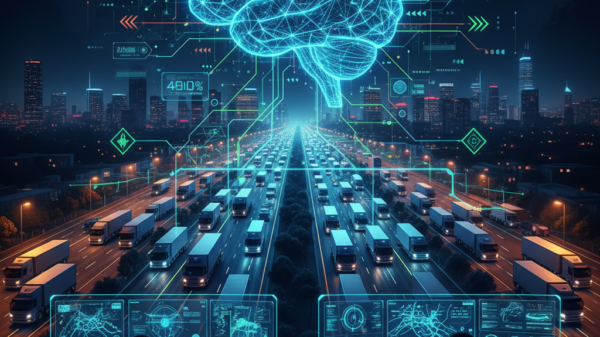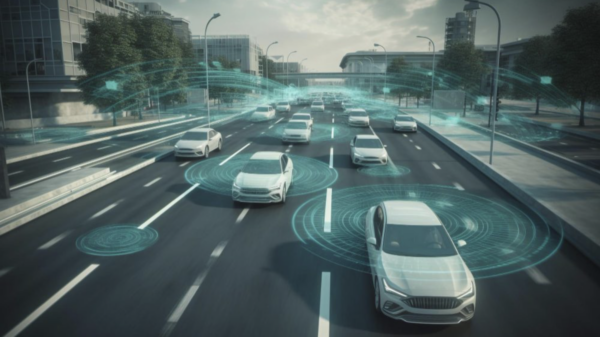

















































On February 12, 2026, the trucking and logistics sector faced an unexpected sell-off, with stocks of major players like RXO, C.H. Robinson, Expeditors International, XPO, and J.B. Hunt plummeting between -5.0% and -20.5% in just one trading session. This downturn was triggered not by rising fuel costs or economic downturns, but by the introduction of a new artificial intelligence freight-scaling platform by Algorhythm Holdings. The unveiling of the Semi-Cab AI tool, designed to cut empty miles by over 70% and boost freight volumes by 300%-400% without increasing workforce numbers, sent ripples through the market.
Investors rapidly envisioned a future where such technological advancements might erode pricing power and commoditize routing, compelling traditional operators to invest heavily in technology to stay competitive. This AI push, however, coincided with a significant policy change from the U.S. Department of Transportation (DOT). On February 11, 2026, the DOT finalized a rule that redefined the commercial driver labor pool, particularly impacting individuals with Deferred Action for Childhood Arrivals (DACA), Employment Authorization Documents (EADs), and other immigration statuses. This change will disqualify approximately 194,000 drivers from obtaining commercial driver’s licenses (CDLs), potentially removing 5% to 8% of the existing interstate CDL workforce by March 16, 2026.
The trucking industry had already been grappling with a driver shortage estimated between 60,000 to 80,000 drivers as it entered 2026. Approximately 3.5 million individuals hold CDLs in the United States, but demographic shifts, including retirements and lifestyle changes, have exacerbated labor shortages. The new DOT rule cuts out a significant share of the labor pool, particularly impacting the 200,000 non-domiciled drivers counted in 2025. Analysts predict that only about 6,000 drivers would qualify for CDLs under new restrictions, worsening an already critical shortfall in driver availability.
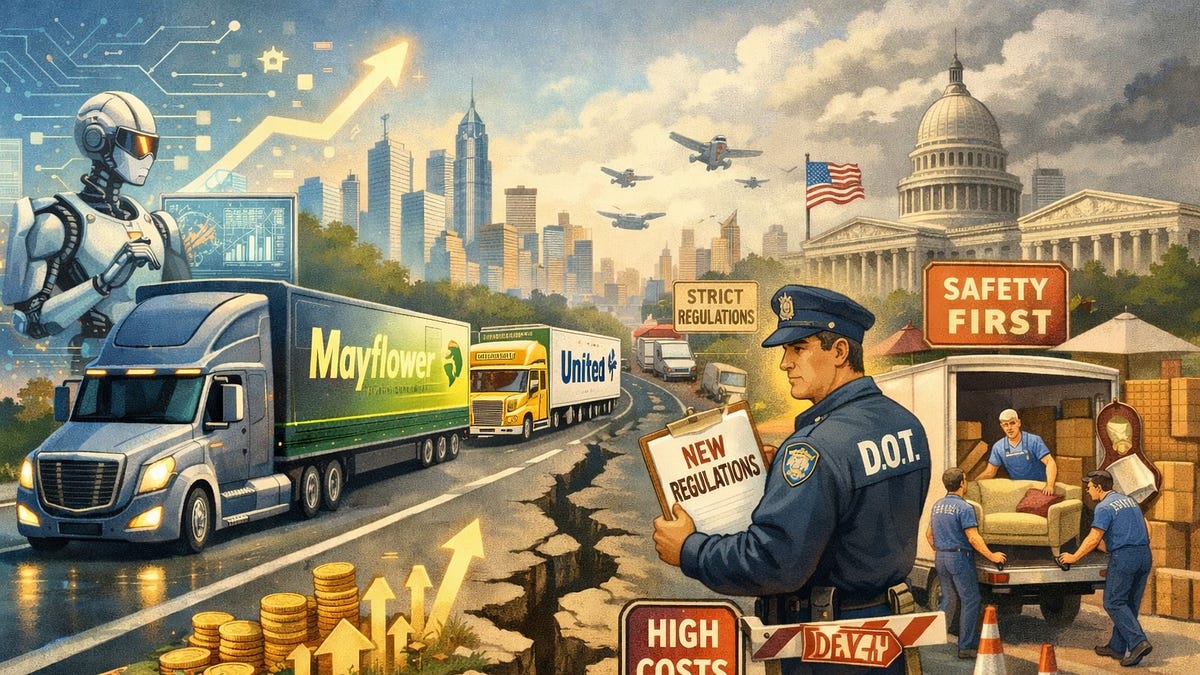
The dual challenge of integrating advanced AI technology while facing regulatory restrictions creates a paradox for logistics networks such as UniGroup, parent company of United Van Lines and Mayflower Transit. While AI solutions may optimize logistics, they cannot operate without licensed drivers. The capacity contraction from the DOT rule’s implementation could lead to heightened wages and increased freight rates, particularly during peak moving seasons, impacting prices for consumers engaging in interstate relocations.
Transportation Secretary Sean P. Duffy defended the regulatory changes by referencing 17 fatal truck crashes involving non-domiciled drivers in 2025, which resulted in 30 fatalities. However, these incidents accounted for less than 0.45% of truck-related fatalities that year, raising questions about the justification for removing such a significant portion of drivers from the workforce. In contrast, data indicated a decline in overall roadway fatalities by approximately 8% in early 2025, despite increased vehicle miles traveled.
The new regulations particularly affect DACA recipients, who have lived in the U.S. for an average of 26 years. These individuals, proficient in English and contributing significantly to the labor force, are prohibited from obtaining CDLs, despite being allowed to obtain professional licenses in fields like medicine in various states. This discrepancy highlights the complexities of aligning immigration policies with labor market realities.
In light of these turbulent developments, the trucking industry is at a crossroads. While the integration of AI technologies like the Semi-Cab platform has the potential to enhance operational efficiency, the simultaneous regulatory tightening threatens to exacerbate existing labor shortages. The challenge lies in balancing technological advancements with compliance to ensure sustainable growth. As freight capacity contracts, upward pressure on wages and freight rates could lead to higher consumer prices for goods and services, particularly in the moving sector.
Looking ahead, effective adaptation will be crucial. Companies that can integrate AI solutions while navigating regulatory compliance may stand to benefit from improved efficiency and productivity. However, if the tightening labor market overshadows these gains, the industry may face increased costs and operational bottlenecks. As the trucking sector contends with these dual pressures, the outcome will depend on how well it can leverage technology to mitigate the impacts of regulatory changes and labor shortages.
See also AI Enhances GRC Efficiency: 5 Strategies for Automation with Human Oversight
 India Launches AI Governance Framework with Seven Principles Ahead of Impact Summit 2026
 India Unveils AI Governance Framework with 7 Principles to Tackle Bias and Misuse
 Tajikistan’s AI Council Highlights Governance Revolution at India’s AI Impact Summit 2026
 UK Government Announces AI Chatbot Rules Amid Online Safety Act Complexity