


















































New York’s legislature is poised to introduce transformative regulations aimed at the rapidly evolving artificial intelligence (AI) sector. The proposed NY FAIR News Act would require AI-generated news content to carry disclaimers and receive human editorial approval before publication. In a separate but related bill, S9144, lawmakers are seeking to impose a three-year moratorium on new data center permits in response to escalating energy demands that have seen requests triple to 10 gigawatts.
These legislative actions reflect a growing bipartisan concern regarding the costs associated with AI infrastructure. Recently, Con Edison customers experienced a 9% increase in electricity rates over three years, underscoring the financial burden imposed on everyday ratepayers as the demand for AI technology surges. New York already hosts over 130 data centers, contributing to a nationwide rise in electricity bills as AI applications place unprecedented strains on the electric grid.
The NY FAIR News Act mandates that any news content “substantially composed, authored, or created through the use of generative artificial intelligence” must include a conspicuous disclaimer. However, the legislation imposes stricter measures beyond mere labeling. It would require that all AI-generated content undergo human editorial oversight before being published, ensuring that organizations retain what the bill refers to as “editorial control” over any machine-generated material.
This initiative also addresses transparency within news organizations. Under the proposed regulations, media companies would be obligated to inform their employees about the specific ways and times AI is utilized in their operations. Privacy considerations are also at the forefront, as the bill calls for safeguards to prevent AI systems from accessing confidential information, particularly details regarding journalistic sources.
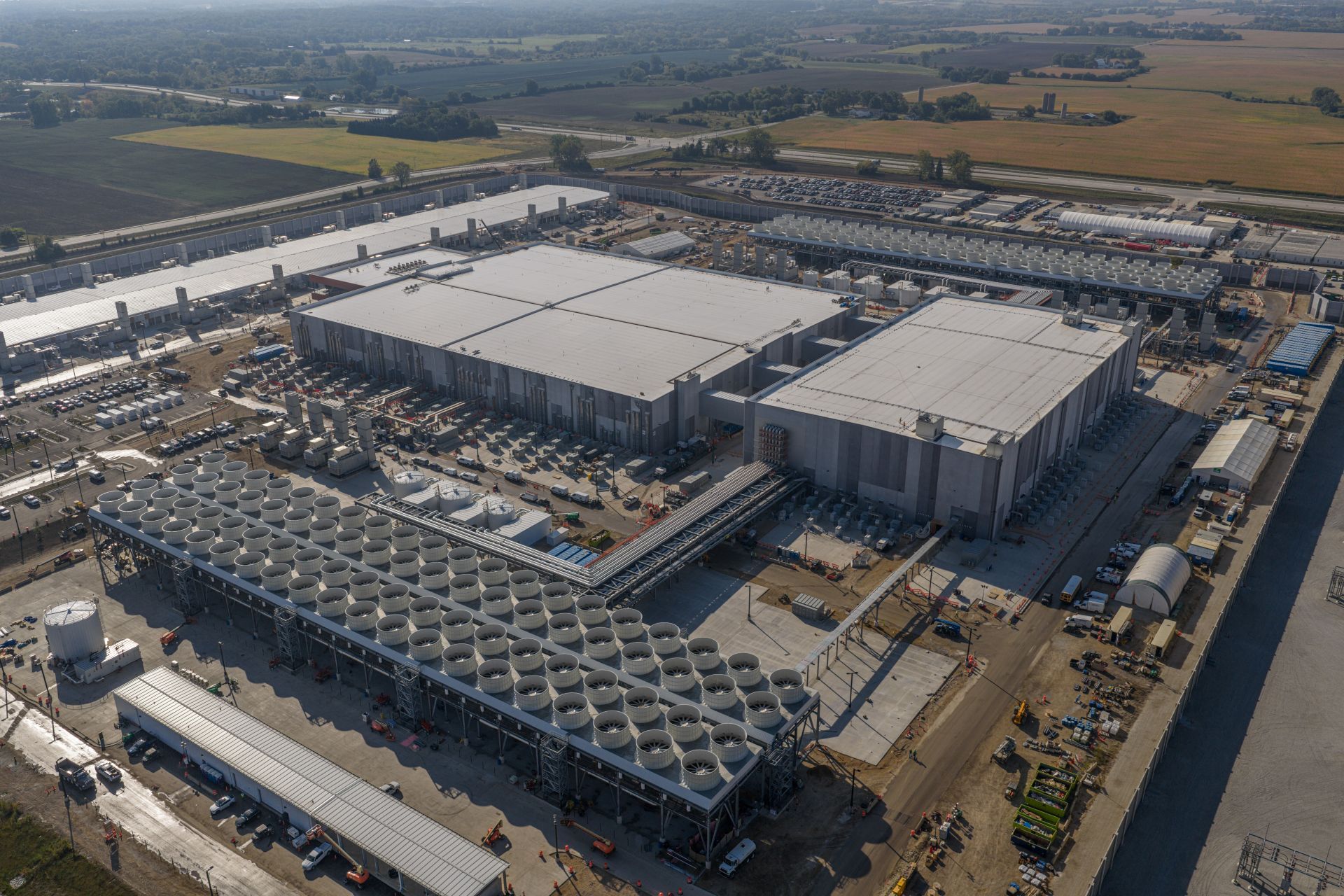
Meanwhile, bill S9144 seeks to curb the rapid expansion of data centers, which have become essential to the AI boom. The proposed three-year freeze on new data center permits is a direct reaction to the staggering energy costs associated with these facilities, which analysts say are becoming unsustainable for consumers. As the demand for AI services increases, so too does the strain on electrical infrastructure, raising concerns among policymakers.
New York’s aggressive legislative approach marks one of the most significant state-level efforts to regulate an industry that is evolving at a breathtaking pace. Lawmakers appear determined to take control of both the content produced by AI systems and the substantial infrastructure needed to support them. The implications of these measures could resonate beyond New York, potentially influencing other states considering similar regulations as they grapple with the challenges posed by AI technologies.
As the regulatory landscape begins to shift, both media organizations and tech companies will need to adapt to these new requirements. The outcomes of these legislative efforts may redefine the relationship between AI technology and journalism, establishing a framework that could serve as a template for future regulations nationwide. While the immediate focus is on compliance and infrastructure sustainability, the longer-term effects on innovation and public trust in AI-generated content remain to be seen.
See also AI Governance in Banking QA Becomes Crucial as Regulatory Scrutiny Intensifies
 Legislation Introduces 15 AI Bills Across U.S. States for Enhanced Transparency and Safety
 DISCO Launches Scaled Agentic AI Tool for E-Discovery with Multi-Step Reasoning
 European Commission Charges Meta with Antitrust Violations for Blocking Third-Party AI on WhatsApp
 Veriff Reveals Key Findings on AI-Driven Identity Fraud Trends for 2026