



















































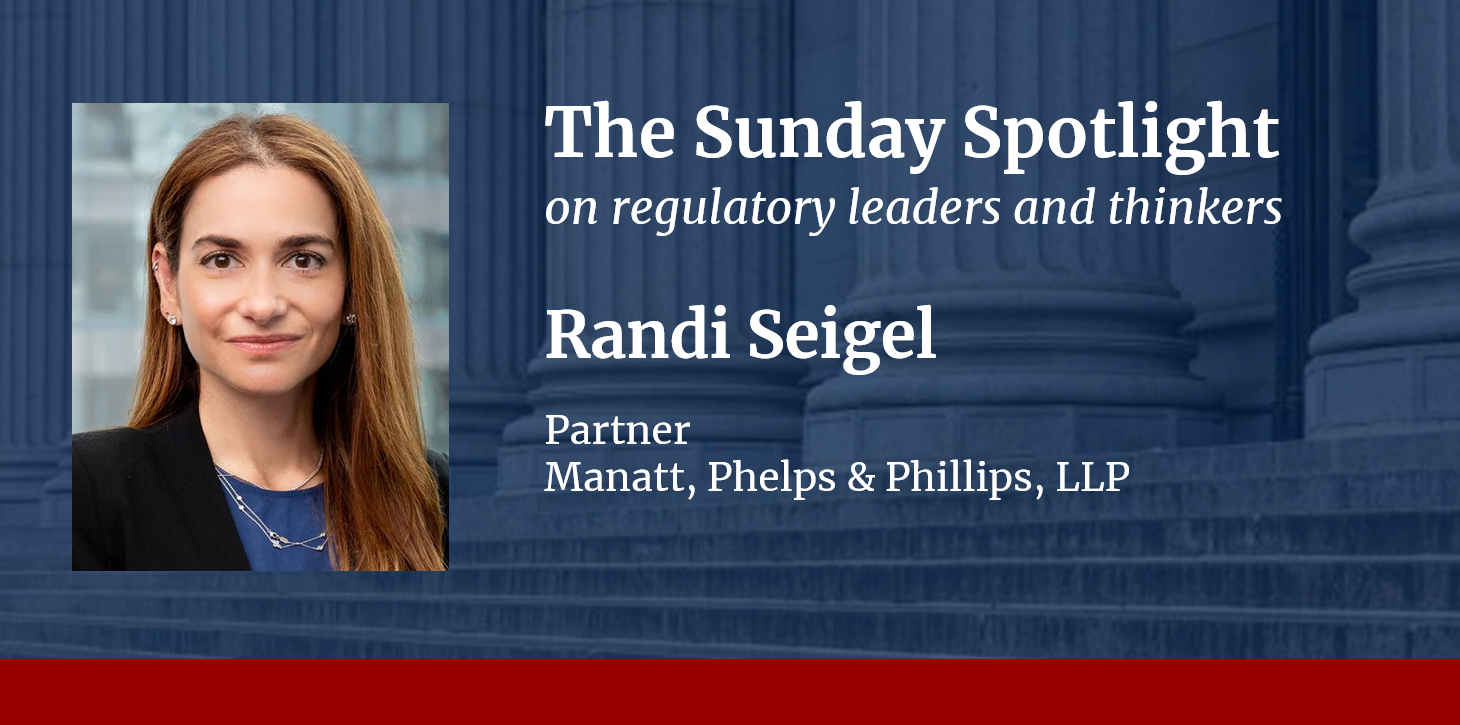
Randi Seigel, a health and technology law expert, sheds light on the shifting regulatory environment surrounding digital health tools in a recent conversation with The Regulatory Review. Seigel, a partner at Manatt, Phelps & Phillips, LLP, discusses challenges and opportunities linked to the adoption of digital health technologies, especially as telehealth, artificial intelligence (AI), and remote monitoring become increasingly integral to healthcare delivery.
Seigel notes that the widespread adoption of telehealth has transformed access to care. Medical professionals leverage tools like remote patient monitoring and generative AI to enhance clinical decision-making and manage chronic conditions. However, she warns that navigating the complex regulatory landscape remains a significant challenge for healthcare organizations. While recent federal policies suggest a commitment to accelerating digital health adoption, the potential expiration of COVID-era telehealth flexibilities poses risks to sustaining virtual care delivery.
The use of telehealth has surged, with providers of all sizes, including those accepting insurance and those requiring out-of-pocket payments, increasingly offering these services. Seigel highlights that many providers are adopting various technologies to optimize patient care. “AI tools can present the greatest risks if they are not evaluated properly prior to adoption and monitored for bias, model accuracy, and security,” she observes. This concern is particularly pressing as healthcare organizations grapple with evolving regulatory standards.
One of the most significant regulatory questions facing healthcare organizations revolves around reimbursement for digital health services. Seigel explains that many digital health tools, such as remote patient monitoring and AI-driven decision support, face inconsistent reimbursement from insurance payors. After the transformative flexibilities introduced during the COVID-19 pandemic, there remains uncertainty about the future of telehealth reimbursement. “Without congressional action to make them permanent, Medicare coverage for telehealth will revert to pre-pandemic restrictions, requiring patients to be physically present to receive services,” she states.
As the COVID-19 pandemic underscored the importance of digital health, it also led to a rapid adaptation of regulatory measures. Seigel notes that telehealth was permitted across various modalities, including audio/video and audio-only consultations. Emergency waivers allowed states to suspend regulations that previously restricted telehealth, paving the way for the establishment of permanent statutes that support its use. Many states have enacted laws requiring insurers to cover telehealth services, often at parity with in-person visits, creating a solid foundation for its ongoing adoption.
Government payment models play a crucial role in shaping the adoption of digital health technologies. Seigel emphasizes that Medicare’s coverage decisions often establish the baseline for what commercial insurers will cover. This interdependence influences how innovators design digital health products. She points to the Centers for Medicare and Medicaid Services (CMS) initiative, the Advancing Chronic Care with Effective, Scalable Solutions Model, as a significant step toward integrating digital tools into care delivery and ensuring sustainable reimbursement models for providers.
The regulatory landscape surrounding AI in healthcare is rapidly evolving, with over 250 AI bills introduced in 47 states in 2025. States are establishing diverse requirements around transparency, consent, and clinical use, which complicates compliance for multi-state healthcare organizations. Although Congress has yet to pass comprehensive AI regulation, federal actions, including executive orders and the White House AI action plan, signal a growing focus on AI governance. Recent executive directives aim to preempt state laws on AI, adding another dimension to the regulatory framework that healthcare organizations must navigate.
For law students and new lawyers looking to enter the intersection of health law and technology regulation, Seigel advises prioritizing coursework in administrative law, health law, and subjects related to technology and privacy. Engaging with professionals in the field through internships and networking can provide invaluable insights and build essential connections. “Proactive learning, hands-on experience, and strategic networking are key to developing expertise in this rapidly evolving area,” she emphasizes.
As the regulatory landscape for digital health tools continues to evolve, the potential for innovation in healthcare delivery remains significant. However, organizations must remain vigilant about compliance and reimbursement challenges that could impact their ability to leverage these technologies effectively.
See also Trump Administration Plans AI-Driven Regulations to Speed Up DOT Rulemaking Process
 IFR Reveals Position Paper on AI’s Critical Role in Robotics Adoption and Safety Challenges
 New York Proposes NY FAIR News Act Requiring Disclaimers for AI-Generated Content
 AI Governance in Banking QA Becomes Crucial as Regulatory Scrutiny Intensifies