








































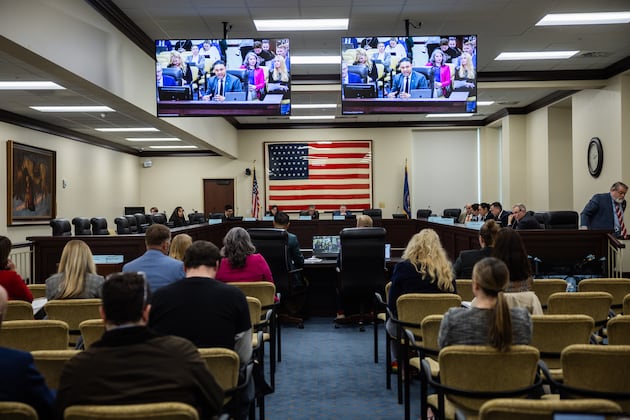
The current legislative session in Utah is grappling with the complexities of 21st-century technology, particularly in the realms of artificial intelligence (AI), social media, and data use. Lawmakers are deliberating on several contentious bills aimed at mitigating the impact of these technologies on society.
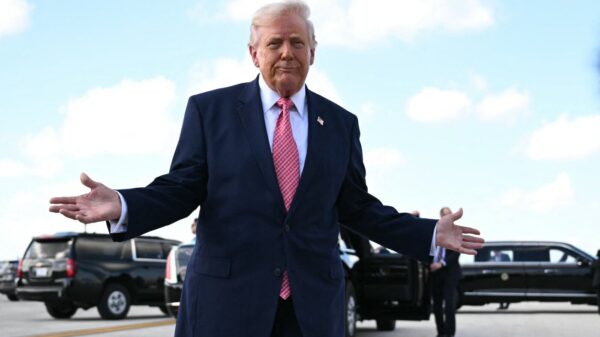
One of the most discussed proposals is HB286, the Artificial Intelligence Transparency Amendments, which mandates that AI companies publish reports on risk assessments and implement protocols for “child safety risks.” This legislation, which seeks to provide protections for whistleblowers, was initially gaining traction. However, it encountered a setback following a recent request from former President Donald Trump to Utah leaders to abandon the bill, citing a conflict with his executive order aimed at preventing state regulations that could hinder innovation in AI. The question now remains whether Utah will heed Trump’s advice or pursue a different regulatory approach.
Trump’s executive order emphasizes the importance of avoiding a fragmented regulatory landscape for AI technologies. Utah lawmakers, who have historically shown a mixed response to Trump, now find themselves at a crossroads. While the legislature has a track record of tackling Big Tech issues, the prevailing sentiment this session suggests that with numerous other bills on the table, HB286 may not be prioritized. Two years ago, Utah established the Office of AI Policy, which aims to strike a balance between fostering innovation and ensuring consumer protections, allowing businesses to safely implement AI technologies.
Legislators are also considering SB287, a bill that introduces a tax on targeted online advertising. This initiative is a high priority for Governor Spencer Cox, who aims to use the revenue to fund adolescent mental health programs. However, the anticipated costs are likely to be passed on to a wide array of businesses that rely on online advertising for outreach. Critics of the bill argue that it disproportionately affects small enterprises, which have flourished in Utah’s vibrant startup ecosystem.
Supporters of SB287 liken the proposed tax to levies on lifestyle vices, such as tobacco, which aim to fund public health initiatives. Yet, opponents contend that online advertising is not analogous to harmful substances; instead, it plays a crucial role in economic growth. Concerns have also been raised regarding the bill’s potential conflict with federal laws, an issue highlighted during recent committee hearings.
Other legislative efforts in the state include HB276, which addresses the darker aspects of AI with the goal of providing legal remedies for victims of online sexual abuse. This aligns with ongoing efforts at the federal level, where advocates like Paris Hilton are pushing for the DEFIANCE Act, enabling victims of explicit AI-generated content to seek justice against those who exploit technology for malicious purposes.
As the Utah legislature continues to navigate the intricate landscape of technology and regulation, the outcome of these bills could set significant precedents for AI governance both within the state and beyond. The balance of innovation and responsibility will remain a focal point as lawmakers consider the implications of their decisions in a rapidly evolving technological environment. Ultimately, the challenge lies in crafting regulations that protect citizens without stifling the innovation that drives economic growth and development.
See also Researchers Propose PEPP Framework to Ensure Ethical AI in Animal Communication Studies
 Data Quality and AI Maturity Essential for Achieving Workplace Safety Standards
 Critical Infrastructure Act Mandates Enhanced Security for AI and Data Assets
 Alexandr Wang Calls for National AI Strategies and Public-Private Partnerships at Summit
 Connecticut Attorney General Proposes New Regulations on AI Chatbots to Protect Minors