




















































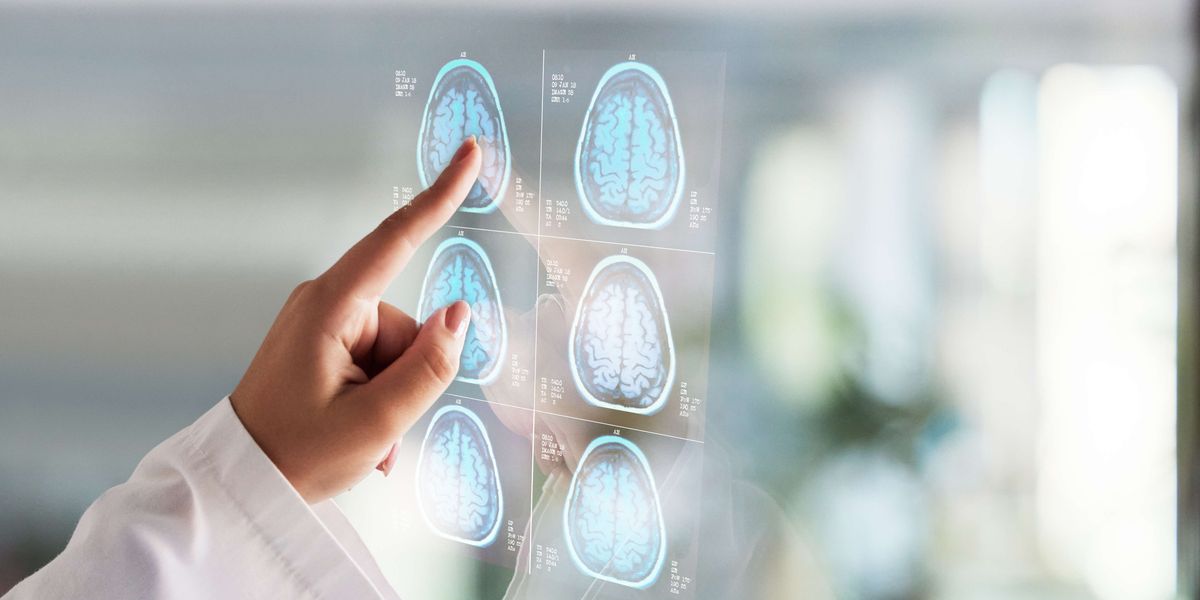
Artificial intelligence could revolutionize the way patients comprehend complex medical scan results, according to a significant study from the University of Sheffield. Researchers found that radiology reports rewritten using advanced AI systems, including ChatGPT, were nearly twice as easy for patients to understand compared to original versions. The study, which reviewed 38 pieces of research encompassing over 12,000 radiology reports, highlights the potential for AI to enhance patient communication in healthcare.
The AI-simplified reports demonstrated a substantial reduction in reading difficulty, dropping from a “university level” to a level more suitable for individuals aged 11 to 13. Assessments by patients, public members, and clinicians aimed to evaluate both the understanding and clinical accuracy of these rewritten reports.
According to Dr. Samer Alabed, Senior Clinical Research Fellow at the University of Sheffield and lead author of the study, the existing reports are often laden with technical jargon and abbreviations that can lead to misunderstandings. “The fundamental issue with these reports is they’re not written with patients in mind,” he stated. Misinterpretations can result in unnecessary anxiety, misleading reassurance, and confusion, particularly affecting patients with lower health literacy or those for whom English is a second language. This often necessitates clinicians spending valuable appointment time explaining complex terminology rather than focusing on patient care and treatment.
The findings suggest that AI-generated explanations could become standard adjuncts to medical reports, potentially improving transparency within healthcare systems like the NHS. The organization has seen rapid expansion in patient access to radiology reports through initiatives such as the NHS App, making simpler communication increasingly relevant.
While the majority of doctors reviewing the AI-simplified reports found them accurate and complete, approximately one percent contained errors, including incorrect diagnoses. This emphasizes the continued need for clinical oversight and the importance of verifying AI-generated content before it reaches patients.
Significantly, none of the 38 studies reviewed were conducted within UK or NHS environments, creating a research gap that the University of Sheffield team aims to address. Dr. Alabed noted that the priority moving forward is “real-world testing in NHS clinical workflows to properly assess safety, efficiency, and patient outcomes.” He emphasized that the goal is not to replace clinicians but to “support clearer, kinder, and more equitable communication in healthcare.” This would involve human oversight where clinicians review AI-generated explanations prior to sharing them with patients.
This research underscores the transformative potential of AI in healthcare communication, suggesting that clearer and more accessible medical reporting could lead to better patient outcomes. As healthcare systems evolve and incorporate advanced technology, the integration of AI tools may become integral in bridging the gap between clinical accuracy and patient comprehension.
See also Research Reveals Machine Learning’s Limits in Understanding Complex Phases of Matter
 Futurum Group’s Alex Launches New Channels Research Program to Boost Go-to-Market Strategies
 C-suite Executives Report Minimal AI Impact on Productivity, Echoing Solow’s Paradox
 Vietnam’s AI Hay Surpasses Global Giants with 15M Downloads, Enters Top 5 Apps
 Microsoft Reveals Breakthrough in Glass Storage Technology, Preserving Data for 10,000 Years