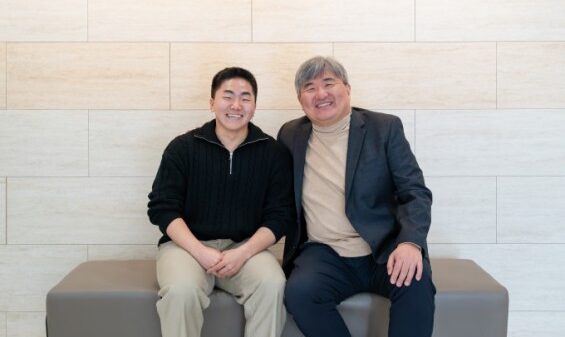








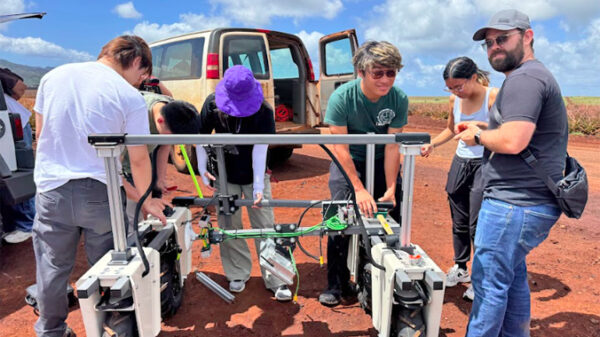



































The University of Hawaiʻi at Mānoa has secured a $50,000 research grant from Google to enhance its work in artificial intelligence and robotics, particularly in the realm of robotic perception. The funding will support Assistant Professor Huaijin Chen from the Department of Information and Computer Sciences, who is leading research aimed at improving how machines understand and interact with their physical surroundings. This initiative encompasses various applications, including agriculture, health-related human-robot interaction, and tactile sensing.
Chen expressed enthusiasm about the grant, stating, “This support allows us to explore bold ideas at the intersection of perception and real-world environments, while creating hands-on opportunities for students to work on technologies that could shape the future of robotics.” The research is set to delve into multiple facets of robotic perception, focusing on systems designed to enhance human-robot interactions, particularly for older adults facing mild cognitive impairment.
One significant area of focus is the development of embodied interaction systems that combine 3D vision with adaptive robotic behavior. This approach aims to facilitate more natural and effective responses from robots in assistive settings. Chen’s work builds on his previous research, which was also supported by the Hawaiʻi Community Foundation, investigating digital biomarkers for early screening of Alzheimer’s disease through computer vision and AI.
The project also plans to explore the potential of 3D tactile sensing, which enables robots to gather information through touch. This innovation is expected to enhance the robots’ ability to discern shape, movement, and contact, particularly in tasks that require delicate handling or physical interactions with their environment.
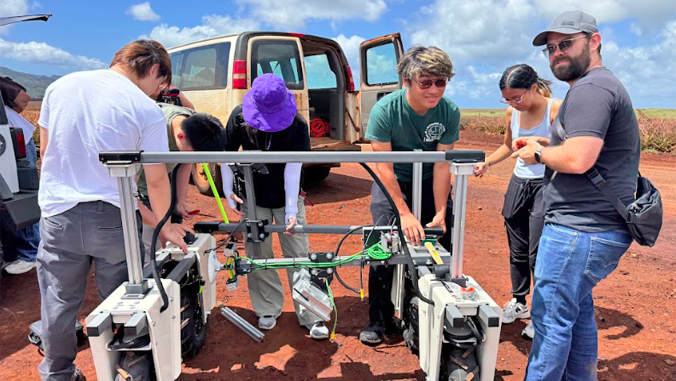
In addition to health applications, the research targets agricultural use, where robots need to navigate complex outdoor environments. The team aims to improve how machines move within fields, identify crops, interpret varying terrain, and operate effectively under changing lighting and weather conditions.
The grant will not only fund research activities but will also support graduate and undergraduate student researchers, providing essential equipment, computing resources, and avenues for experimental testing. This project represents an invaluable opportunity for students to gain hands-on experience in robotics, computer vision, and artificial intelligence, fostering the next generation of innovators in the field.
The Department of Information and Computer Sciences is part of UH Mānoa’s College of Natural Sciences, where ongoing research into AI and robotics continues to explore new frontiers. With this latest investment from Google, the university is poised to make significant strides in robotic technology, which could have lasting implications for various fields, including healthcare and agriculture.
See also AI Study Reveals Generated Faces Indistinguishable from Real Photos, Erodes Trust in Visual Media
 Gen AI Revolutionizes Market Research, Transforming $140B Industry Dynamics
 Researchers Unlock Light-Based AI Operations for Significant Energy Efficiency Gains
 Tempus AI Reports $334M Earnings Surge, Unveils Lymphoma Research Partnership
 Iaroslav Argunov Reveals Big Data Methodology Boosting Construction Profits by Billions