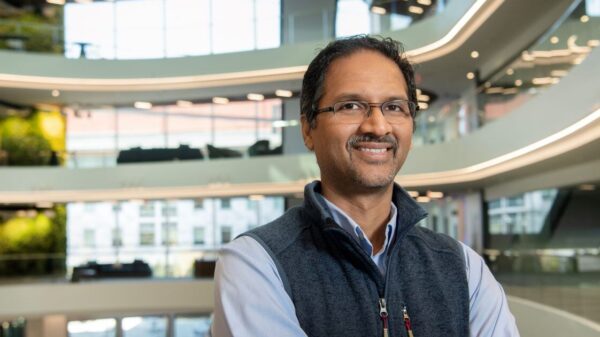
















































Johann Vargas Calixto, a postdoctoral researcher at Emory University, is leveraging machine learning to enhance pregnancy monitoring in low-resource settings. His work focuses on addressing critical issues like fetal growth restriction and preeclampsia, particularly in rural indigenous communities in Guatemala, where access to advanced healthcare is limited. Vargas emphasizes the importance of keeping these technological solutions low-cost to ensure their availability to those who need them most.
Vargas’s interest in biomedical engineering was sparked by childhood dreams of building robots. After completing a bachelor’s degree in mechatronics engineering, he redirected his focus toward biomechanics during his Master’s studies. His transformative experience occurred during a visit to rural Peru, where he witnessed the challenges faced by pregnant women in accessing medical care. One poignant moment involved a woman in distress, waiting for an ambulance to reach a facility equipped with an ultrasound machine—a two-hour journey. This encounter solidified Vargas’s resolve to improve maternal-fetal health in underserved areas.
Currently, Vargas is part of a project that integrates a low-cost Doppler ultrasound device, priced around $10, with a blood pressure monitor and a smartphone application. This innovative system has demonstrated success in reducing maternal mortality rates in Guatemala’s rural communities. While the analysis of Doppler sounds has primarily centered on fetal heart rates, Vargas believes these sounds contain valuable additional data. By developing algorithms that can decipher this information, he aims to track various physiological parameters throughout pregnancy, potentially identifying severe complications earlier.
As part of his research, Vargas is creating an automated algorithm capable of distinguishing between sounds from the umbilical cord and the fetal heart. He envisions future iterations of this classifier to also recognize placental and maternal blood vessels, further enhancing the monitoring capabilities of the system.
The most rewarding aspect of Vargas’s journey is the realization that his work has real-world implications for vulnerable populations. He finds fulfillment in the knowledge that his research directly benefits communities in Latin America, including his home country, Peru. Participating in international conferences has allowed him to connect with like-minded professionals, reinforcing his commitment to improving maternal health outcomes.
In a light-hearted reflection, Vargas likens himself to an espresso machine, a vital instrument in his biomedical informatics lab. “This little machine gives everyone the energy they need for their long days running experiments and writing grants,” he quips, highlighting the camaraderie and collective effort of his research team. His connection to the espresso machine also nods to the exceptional coffee his home country offers, adding a personal touch to his professional aspirations.
Vargas’s work stands at the intersection of technology and healthcare, with the potential to reshape maternal-fetal monitoring in regions where resources are scarce. By continuing to develop accessible, low-cost solutions, he aims to enhance the quality of care for pregnant individuals in underserved areas, addressing a critical gap in global maternal health. As technology evolves, so too does the opportunity to bridge the healthcare divide, ensuring that advancements benefit those who are most in need.
See also Digital Agriculture Study Reveals Uneven Sustainability Gains and Collaboration Gaps
 Google CEO Pichai Unveils $15B AI Hub in India, Promises Scientific Breakthroughs
 AIMET-NL Launches Workshop on Scientific Machine Learning & Uncertainty Quantification in 2026
 Mayo Clinic Platform Launches AI-Driven Tools with Access to 15.1 Million Patient Records
 Chinese Team Launches DeepRare AI System, Achieves 57.18% Accuracy in Rare Disease Diagnosis