


















































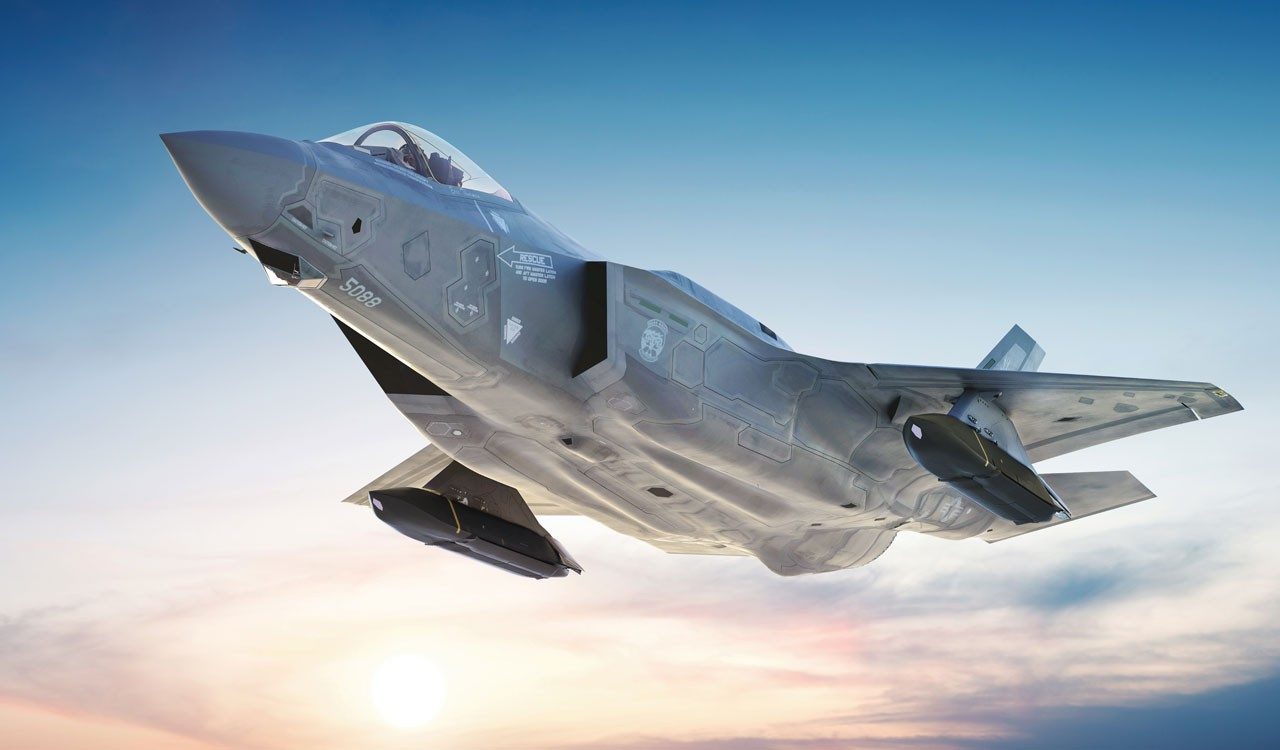
Lockheed Martin is enhancing the capabilities of the F-35 with a new artificial intelligence (AI) system designed to improve threat detection and combat identification. The upgrades were tested during Project Overwatch at Nellis Air Force Base in Nevada, marking a significant step in the integration of AI into military aviation.
The AI-enhanced Combat Identification capability is now part of the aircraft’s information fusion system. This advancement allows the F-35 to better process and interpret signals, effectively distinguishing between overlapping data and resolving ambiguities in signal emitters. Such improvements are vital for enhancing situational awareness, enabling pilots to make quicker and more informed decisions in high-pressure environments.
This development is aligned with the growing trend in defense technology towards integrating AI and machine learning to bolster operational efficiency. As military engagements become increasingly complex, the need for advanced systems that can handle vast amounts of data in real-time has become more pronounced. Lockheed Martin’s initiative not only aims to enhance the F-35’s performance but also to set a new standard for future military aircraft.
The ability to accurately identify threats and friendly units in combat can significantly influence the outcome of military operations. The integration of AI into the F-35’s Combat ID capability promises to reduce human error, streamline decision-making processes, and improve overall mission success rates.
This upgrade comes at a time when the U.S. military is prioritizing advanced technologies to maintain strategic advantages over potential adversaries. As competitors invest in similar advancements, Lockheed Martin’s latest enhancements to the F-35 may provide a critical edge in future engagements.
The project is part of a broader initiative to modernize the F-35 fleet, which has faced scrutiny over costs and performance issues in recent years. By incorporating AI technology, Lockheed Martin aims to address some of these concerns while boosting the operational capabilities of the aircraft.
Looking ahead, the success of Project Overwatch could pave the way for further AI integrations in military systems, potentially transforming how air combat is conducted. As nations continue to explore the potential of AI in defense, the implications of this technology extend beyond the F-35, influencing the broader landscape of military aviation and strategy.
With the F-35 positioned as a cornerstone of U.S. and allied air power, the successful deployment of enhanced AI systems may redefine the capabilities of air forces worldwide. As testing progresses and more data becomes available, the implications of these technological advancements will be closely monitored by military analysts and defense contractors alike.
See also University of Cincinnati Secures $1M Grant to Enhance Medical Training with AI Technology
 Academic Album Launch Transforms Research on Metaverse into Catchy Eurotrance Tracks
 AI-Powered Study Aims to Transform Menopause Support with Online Insights
 HCLTech and IIT Kanpur Announce Partnership to Advance AI and Data Science Initiatives
 MUSC Team Unveils BIOPREVENT AI Tool to Predict cGVHD Risk Months Before Symptoms