





























LAS VEGAS — Robots dominated the floor at CES 2026, the largest technology show of the year, where diverse robotic innovations drew significant attention. A towering humanoid robot captured the crowd’s excitement as it marched forward, spun its head, and waved, while a smaller doglike robot silently maneuvered nearby. This spectacle is emblematic of the range of technologies showcased at the Las Vegas Convention Center, which welcomed companies from around the globe to unveil their latest products and services.
CES is renowned for its blend of spectacle and substance, featuring products that often remain aspirational, such as flying cars and high-end televisions priced in the tens of thousands. Yet, it also provides a meaningful glimpse into the strategic innovations being pursued by tech giants like Nvidia, Intel, Amazon, and Samsung. This year, artificial intelligence was again at the forefront, with displays of humanoid robots for factory staffing, voice-activated appliances, and next-generation chips designed to support these advancements. The atmosphere at CES effectively created a bubble, somewhat insulated from prevailing skepticism about AI’s trajectory.
In conversations with tech executives, CNN explored concerns around the so-called AI bubble and its potential impact on businesses. Some executives dismissed these concerns as irrelevant to their operations, while others expressed optimism about AI’s capabilities. “We’re in the earliest stage of what’s possible,” said Panos Panay, Amazon’s devices and services chief. “So when I hear we’re in a bubble, I’m like … This isn’t a fad. It’s not going to pass.”
Concerns about an AI bubble have intensified alongside substantial investments in data centers, with more than $61 billion poured into these infrastructures in 2025 alone, according to S&P Global. Projections indicate that AI companies will invest over $500 billion in capital expenditures this year, a figure described by Julien Garran of MacroStrategy Partnership as 17 times larger than the dot-com bubble. Most of this apprehension revolves around investments in data centers tailored for AI tasks that may exceed the processing capabilities of typical devices like laptops and smartphones.
Nvidia, widely recognized as the face of the AI boom, announced at CES that the next iteration of its computing platform for data centers is set to launch in the latter half of this year. When addressing the AI bubble, executives from chipmakers Intel and Qualcomm pointed to their initiatives aimed at enhancing local processing of AI tasks rather than relying solely on cloud services. Qualcomm, which manufactures chips for smartphones and related products, has gradually expanded into the data center space, although this sector remains a minor segment of its overall business.
“As far as we’re concerned, where we operate is not where the bubble conversation exists,” said Akash Palkhiwala, Qualcomm’s chief financial officer. Similarly, Jim Johnson, head of Intel’s client computing group, emphasized that their focus lies on developing products that deliver genuine value to consumers rather than making speculative large-scale bets.
CK Kim, executive vice president of Samsung’s digital appliances division, refrained from commenting on the existence of an AI bubble but noted his company’s commitment to ensuring that AI technologies provide real value to consumers.
The quest to define that “value” was evident as thousands of exhibitors at CES showcased their latest innovations. Humanoid robots featured prominently, with companies like Nvidia, Intel, Hyundai, and Qualcomm introducing new technologies aimed at enhancing the capabilities of these machines. Boston Dynamics and Hyundai unveiled the Atlas, a humanoid robot designed for industrial applications, which is slated for deployment at Google DeepMind’s Robotics Metaplant Applications Center within months, with broader adoption expected by early 2027.
“With one investment, we can explore any application in the world, from industrial use cases to retail use cases to home use cases,” stated Aya Durbin, who leads Boston Dynamics’ humanoid application product strategy.
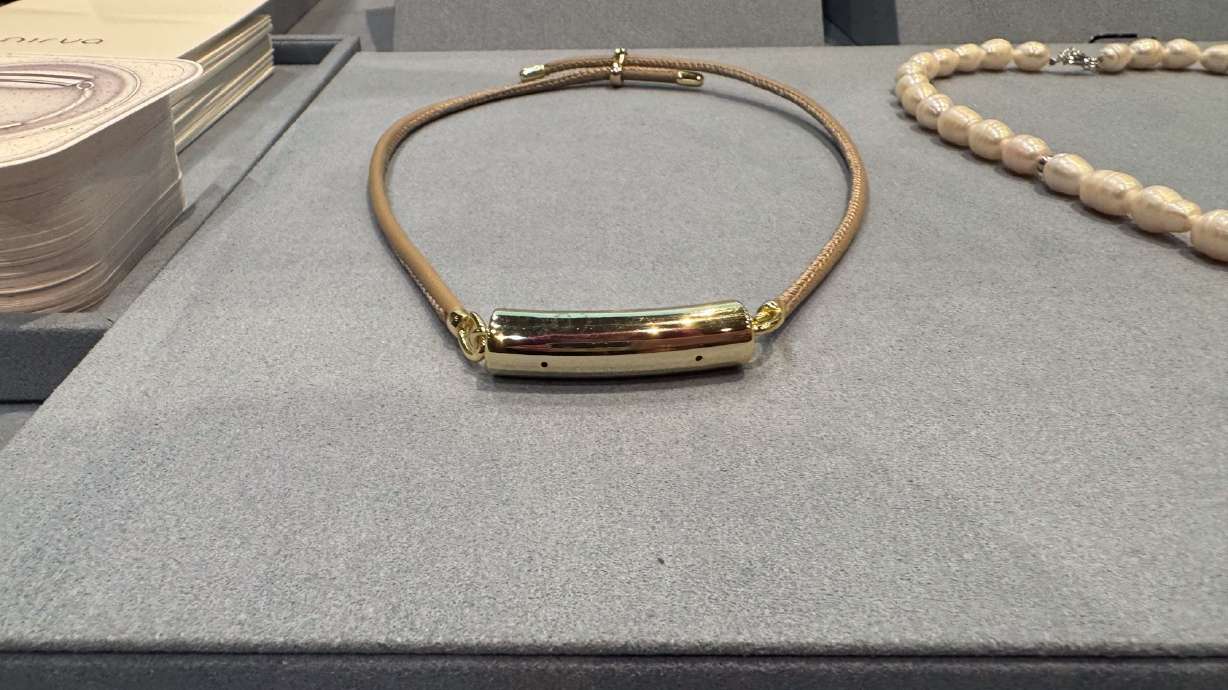
As tech companies chase the next big breakthrough following the smartphone era, many view AI as the critical frontier. At CES, there was a notable introduction of discrete listening devices capable of recording conversations or voice notes, including AI jewelry from a startup named Nirva, the Index 01 ring from smartwatch maker Pebble, and a wristband from Bee, now owned by Amazon. Such devices offer convenience but also raise significant privacy concerns about data collection.
Industry leaders seem to agree on one point: AI is likely here to stay. Even those like Pete Erickson, CEO of tech events company Modev, who suggests that the industry is indeed in a bubble, acknowledges that AI has become an integral aspect of daily life. “I don’t think it’s going anywhere,” he affirmed, underscoring a broader consensus on the enduring significance of AI in the technology landscape.
See also BTech AI vs. Machine Learning: Key Differences Impacting Your Tech Career Choices
 AMD Launches Ryzen AI 400 Series Processors with 60 TOPS and Zen 5 Architecture
 Backblaze Appoints Dan Spraggins as SVP of Engineering to Drive AI Cloud Innovations
 Nvidia Unveils AI Chip Demand Forecast at CES 2026, Expects $500B Growth Amid Supply Chain Pressures
 Five Undervalued AI Stocks in 2026: Micron, TSMC, Qualcomm Forecast 40% Upside