




















































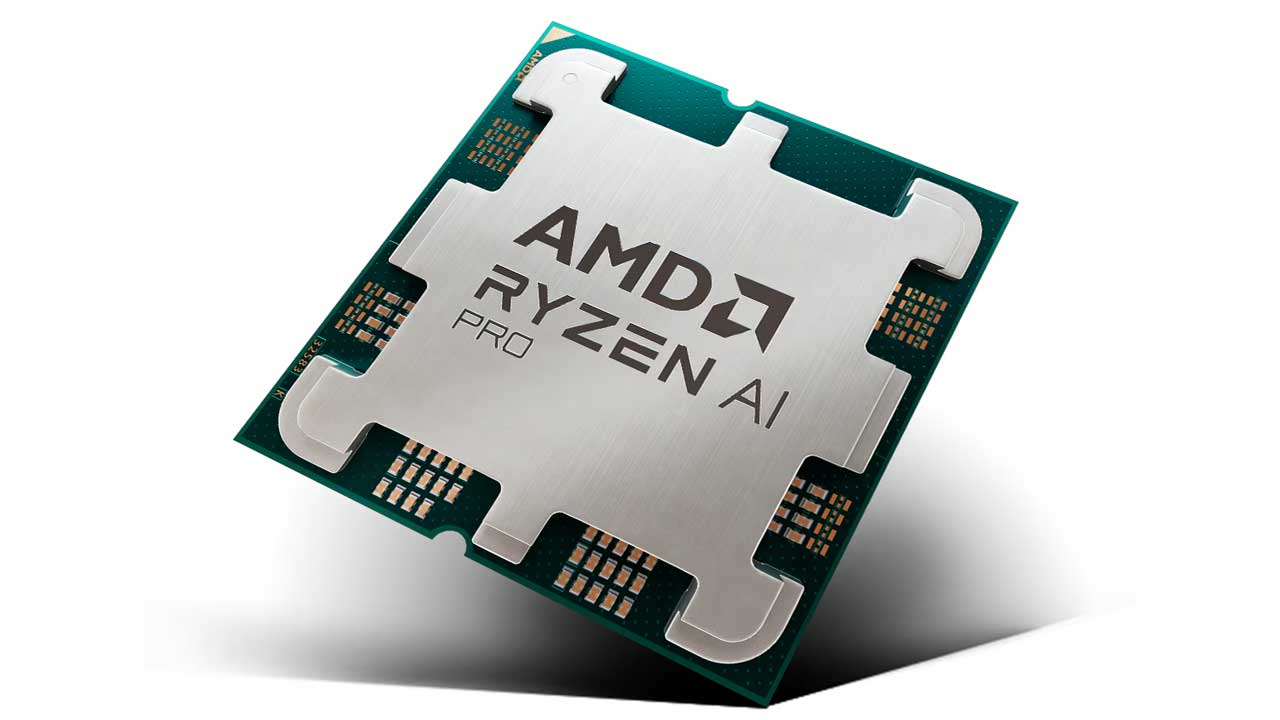
Advanced Micro Devices (AMD) has unveiled its next-generation Ryzen AI 400 Series and Ryzen AI PRO 400 Series processors, featuring the innovative “Zen 5” architecture. This launch, aimed at enhancing the capabilities of upcoming Copilot+ PCs, promises substantial improvements in performance, energy efficiency, and artificial intelligence (AI) processing capabilities. The new processors are set to cater to both consumer and commercial markets, addressing the increasing demands for local AI workloads.
Central to this new lineup is the second-generation AMD XDNA 2 NPU, which boasts a processing power of up to 60 TOPS (Trillions of Operations Per Second). This performance metric exceeds the current requirements for Copilot+ PCs, ensuring that users can efficiently handle complex AI tasks directly on their devices. The Ryzen AI processors include up to 12 high-performance cores, leveraging the “Zen 5” architecture to facilitate superior multitasking capabilities. Additionally, they come equipped with Radeon 800M graphics, providing high-quality visual performance suitable for thin-and-light systems.
The Ryzen AI PRO variants are designed with enterprise-grade security features through AMD PRO Technologies, which offer multilayered security and long-term platform stability necessary for IT departments. This comprehensive stack of processors is expected to support a wide range of devices, from high-end enthusiast laptops to efficient enterprise machines.
The specifications of the Ryzen AI 400 Series and Ryzen AI PRO 400 Series processors highlight their capabilities. For instance, the Ryzen AI 9 HX 475 model offers 12 cores and 24 threads, with a boost clock rate of 5.2 GHz and a base clock of 2.0 GHz, alongside a total cache of 36 MB. Its integrated Radeon 890M graphics and a thermal design power (cTDP) range of 15-54 W accompany its impressive 60 TOPS NPU performance. On the other hand, the Ryzen AI 5 430 model has 4 cores, 8 threads, and a maximum boost of 4.5 GHz, designed for more moderate performance needs.
The full range of models includes high-performance variants, such as the Ryzen AI 9 PRO 475 and Ryzen AI 9 465, alongside mainstream options like the Ryzen AI 5 435 and Ryzen AI 5 PRO 440. Each model is tailored for specific user segments, from power users to everyday consumers, ensuring a broad market appeal.
As for availability, consumers can expect to see these processors integrated into laptops from major manufacturers, including ASUS, Acer, Dell, HP, GIGABYTE, and Lenovo, beginning in the first quarter of 2026. Desktop enthusiasts will have to wait until the second quarter of 2026 for the arrival of the Ryzen AI 400 Series desktop chips.
This launch marks a significant step for AMD as it continues to enhance its product offerings in response to the growing demand for advanced AI processing in consumer electronics. With robust capabilities to meet the future needs of computing, AMD’s Ryzen AI processors are poised to play an essential role in the evolution of personal and enterprise computing landscapes.
See also Backblaze Appoints Dan Spraggins as SVP of Engineering to Drive AI Cloud Innovations
 Nvidia Unveils AI Chip Demand Forecast at CES 2026, Expects $500B Growth Amid Supply Chain Pressures
 Five Undervalued AI Stocks in 2026: Micron, TSMC, Qualcomm Forecast 40% Upside
 Nebius, SoundHound AI, and IonQ: 2026 Stocks Poised for Explosive Growth
 UGREEN Unveils AI-Powered NASync Storage, SynCare Security, and Nexode Charger at CES 2026