






















































Meta has acquired Limitless, a startup recognized for its AI devices, including a pendant that captures conversations and the earlier Rewind desktop memory application. Following the acquisition, Limitless announced it would cease all hardware sales immediately and transition its customers to an Unlimited Plan to eliminate subscription fees. The company will continue to support users for one year, offering options for data export and deletion.
This deal underscores Meta’s strategy to integrate AI into consumer hardware, particularly in the realm of wearables. The tech giant aims to move beyond chat-based assistants toward devices capable of interpreting the environment around users, enhancing their daily interactions.
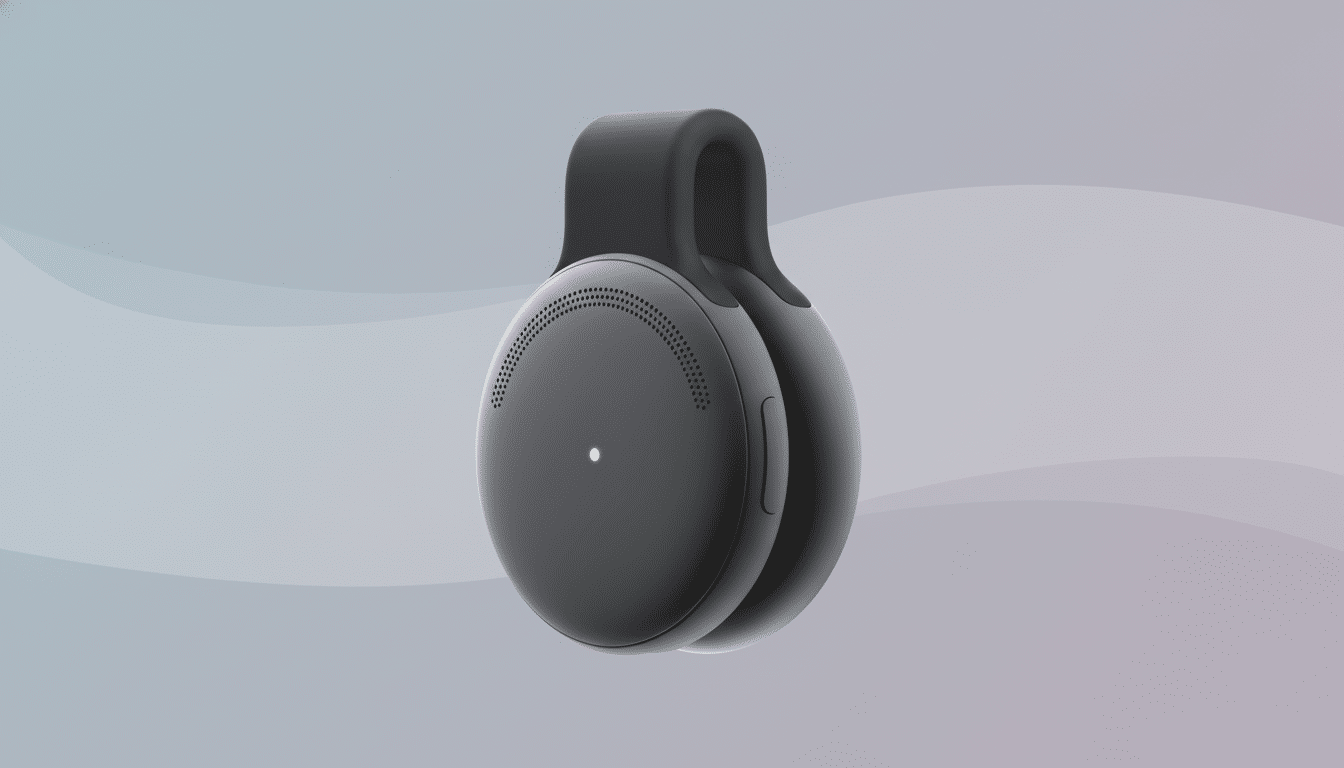
Limitless, formerly known as Rewind, was established with a vision to record everything users see and hear, organizing that information into a private, searchable memory. Its $99 pendant, designed to clip onto clothing like a wireless microphone, automatically captures audio, providing transcriptions and summaries post-conversation. Before pivoting to hardware, Limitless had developed the Rewind app, which recorded desktop activities, creating a timeline of user knowledge. With this acquisition, Limitless will discontinue its software offerings and support as it transitions users to Meta’s ecosystem.
Co-founded by Brett Bejcek and Dan Siroker—who previously served as the co-founder and CEO of Optimizely—Limitless raised over $33 million from investors, including Andreessen Horowitz, First Round Capital, and NEA. The funding facilitated a unique blend of AI research, product design, and sophisticated hardware development.
Meta’s ambition regarding AI-native wearables is evident, as it has already integrated voice-first AI into its Ray-Ban Meta smart glasses, incorporating multimodal features and emphasizing low-latency, device-based experiences powered by its Llama model family. Limitless enhances Meta’s capabilities in always-on audio capture, transcription, and interface design, which can transform how users interact with information in real-time. The technology could be particularly beneficial for future devices like glasses and hearables, where hands-free usability is crucial.
The acquisition also strengthens Meta’s position in the evolving landscape of “personal context,” where devices gather signals about users’ activities to provide more relevant assistance. As tech giants race towards an era where machines interact seamlessly with the physical world, companies equipped with experience in shipping AI-enhanced wearables are increasingly rare.
However, the advent of continuous recording devices raises significant privacy and consent issues. In many U.S. states, all parties involved must consent to audio recordings. User trust hinges on clear indicators of recording, robust on-device processing, and transparent data control mechanisms. Limitless has stated that customers can export or delete their data, while Meta has emphasized privacy features in its smart glasses, including LED indicators and local data storage when feasible. Observers will closely monitor how Limitless’s technology integrates into Meta’s products and data handling practices.
The competition in the AI hardware sector has intensified, with several startups facing challenges. Despite early hype, devices like Humane’s AI Pin and Rabbit’s R1 have encountered substantial drawbacks in practical use, while smaller entries like the Friend pendant received negative reviews. In contrast, established platforms like Meta, Apple, Google, and Amazon are embedding AI within devices users are already familiar with, leveraging distribution advantages that smaller companies struggle to match.
As Limitless phases out its hardware and subscription services, customers will transition to an Unlimited Plan without additional costs for the time being. They will receive a year of support and the ability to manage their data through the app. However, the trade-off is a limited support period and the likelihood that future innovations will occur under the Meta brand.
Looking forward, key indicators to observe include how swiftly Meta integrates Limitless talent into its wearable strategy, whether it advances transcription and summarization capabilities on-device, and how it addresses privacy as context capture becomes more sophisticated. Should Meta incorporate Limitless’s memory-focused technologies into its Ray-Ban Meta or future products, users can expect stronger links between their real-time experiences and the information their assistants retain. This acquisition signals Meta’s commitment to creating AI that enriches daily life, blending seamlessly into users’ routines to facilitate enhanced convenience and personalization.
See also Perk Practical Combines Data Engineering and Automation for Measurable Marketing Growth
 AMD Achieves Record $9.2B Revenue, Driven by AI Growth and Data Center Demand
 Connecticut’s AI Datacenter Push Could Raise Electricity Bills by 68% by 2030