




















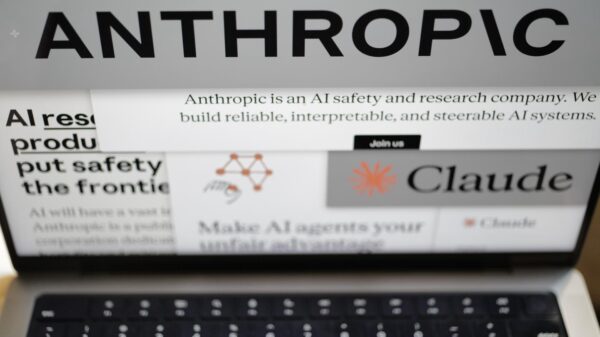























Former President Donald Trump announced on February 27, 2026, that he will ban federal agencies from utilizing services provided by the AI company Anthropic. This decision comes amid escalating tensions between the U.S. Department of Defense and Anthropic, particularly concerning the deployment of its artificial intelligence systems in military operations. Trump’s declaration marks a significant shift in the government’s approach to AI, raising questions about the future of AI technologies in federal applications.
The move to prohibit the use of Anthropic’s AI systems reflects growing concerns over the ethical implications and safety of AI in sensitive government functions. Critics have voiced apprehensions regarding the potential risks associated with military applications of AI technology, citing the need for stringent regulations to ensure the responsible use of AI in defense contexts. Trump’s remarks signal a broader scrutiny of AI deployment across various sectors, particularly where national security is at stake.
As the debate surrounding military AI heats up, the implications of this ban extend beyond Anthropic. It underscores a rising skepticism among policymakers about relying on commercial AI solutions for national defense. This skepticism may prompt a reevaluation of partnerships with tech companies that provide AI systems, particularly if there are concerns over transparency, accountability, and the potential for unintended consequences in military engagements.
In the backdrop of this controversy, other tech companies are also pivoting to accommodate the evolving landscape of AI regulation. For instance, several startups are exploring AI applications in civilian domains, such as matchmaking and healthcare, while navigating the increasing scrutiny of AI’s societal impacts. Recent innovations include an AI-driven dating app designed to assist users in finding romantic partners, as well as advancements in brain training games purported to help mitigate dementia risks.
The ongoing discussions about AI’s role in government and society will likely influence the trajectory of AI development and deployment in the coming years. With Trump’s ban on Anthropic’s systems, the conversation surrounding AI regulation is poised to intensify, potentially shaping future policies and practices across both public and private sectors.
As various stakeholders, including tech entrepreneurs and lawmakers, engage in this ongoing dialogue, the future of AI technology will remain a pivotal topic in U.S. policy discussions. The implications of these decisions may reverberate throughout the tech industry, impacting innovation, investment, and the overall public perception of artificial intelligence.
See also Tesseract Launches Site Manager and PRISM Vision Badge for Job Site Clarity
 Affordable Android Smartwatches That Offer Great Value and Features
 Russia”s AIDOL Robot Stumbles During Debut in Moscow
 AI Technology Revolutionizes Meat Processing at Cargill Slaughterhouse
 Seagate Unveils Exos 4U100: 3.2PB AI-Ready Storage with Advanced HAMR Tech