




















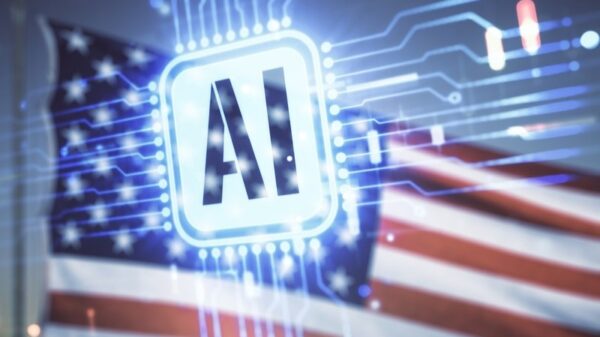


















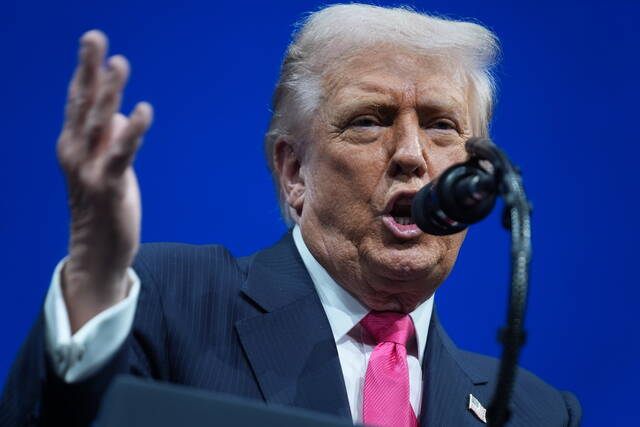
In a significant move that could reshape the landscape of artificial intelligence (AI) regulation in the United States, former President Donald Trump is reportedly considering a draft executive order aimed at discouraging state-level oversight of AI technologies. This comes amid growing concerns from various stakeholders, including civil rights advocates and bipartisan lawmakers, who argue that limiting state regulations may favor large AI corporations while undermining necessary consumer protections.
Current State-Level Regulations on AI
As it stands, several states have taken initiative by enacting laws that establish certain frameworks for AI governance. States such as Colorado, California, Utah, and Texas have implemented regulations aimed at enhancing transparency and limiting the collection of personal data by AI systems, according to the International Association of Privacy Professionals. These regulations arise from increasing concerns about AI’s influence over critical life decisions, including employment, housing, and healthcare.
Critics, including Calli Schroeder, director of the AI & Human Rights Program at the Electronic Privacy Information Center (EPIC), emphasize that while human decision-makers can often clarify their reasoning, AI systems often operate in a “black box” fashion, making accountability challenging. “With a human, I can say, ‘Hey, explain, how did you come to that conclusion?’ But with an AI, that explanation is often unavailable,” she notes.
Trump’s Proposed Regulatory Changes
The draft executive order, which is still subject to change, would instruct federal agencies to identify and challenge state regulations perceived as overly burdensome for AI companies. It could also involve withholding federal funding to states or initiating legal challenges against state laws. The goal, as articulated by Trump and some Republicans, is to create a unified, federal regulatory framework that could potentially preempt state-level rules.
Supporters of the move argue that the inconsistent patchwork of regulations across the 50 states can stifle innovation and hinder the growth of the U.S. AI sector, thereby allowing international competitors, particularly China, to catch up. Trump has also criticized some regulations as producing what he terms “Woke AI,” suggesting an ideological bias in the current regulatory environment.
Furthering this discussion, House Republican leadership, including Majority Leader Steve Scalise, has indicated an interest in introducing legislation to temporarily halt state-level AI regulations. Specifics on what this proposal would entail remain unclear, but it reflects a growing push within the GOP to streamline AI governance.
Challenges and Opposition
However, this initiative faces resistance even within Trump’s own party. Florida’s Governor Ron DeSantis has publicly denounced the idea of a federal ban on state-level AI regulation, labeling it a “subsidy to Big Tech.” He argues that such actions would compromise states’ abilities to protect their residents from various issues, including harmful applications of AI technology and censorship of political discourse.
Opponents of the proposed changes, including organizations such as the American Civil Liberties Union (ACLU), express concern that a federal ban could lead to unregulated AI environments, potentially resulting in discriminatory practices and safety issues. “The American people do not want AI to be discriminatory, to be unsafe, to be hallucinatory,” states Cody Venzke, senior policy counsel at the ACLU.
Amid these ongoing discussions, it becomes increasingly clear that the future of AI regulation will require balancing innovation with accountability. As stakeholders across the political spectrum weigh in, the implications for the AI industry and society at large remain profound.
 Samsung Reveals 30B Parameter AI Model Running on Just 3GB Memory for Smartphones
 Wichita Police Deploy Axon AI for Real-Time Translation in Over 50 Languages
 Samsung Achieves 30B-Parameter AI Model on 3GB Memory Using Breakthrough Compression
 Asseta AI Secures $4.2M to Enhance Intelligent Financial Tech for Family Offices
 VeydooMax Unveils V5 AI Smart Hub at EICMA 2025, Attracts 100+ European Dealers