



















































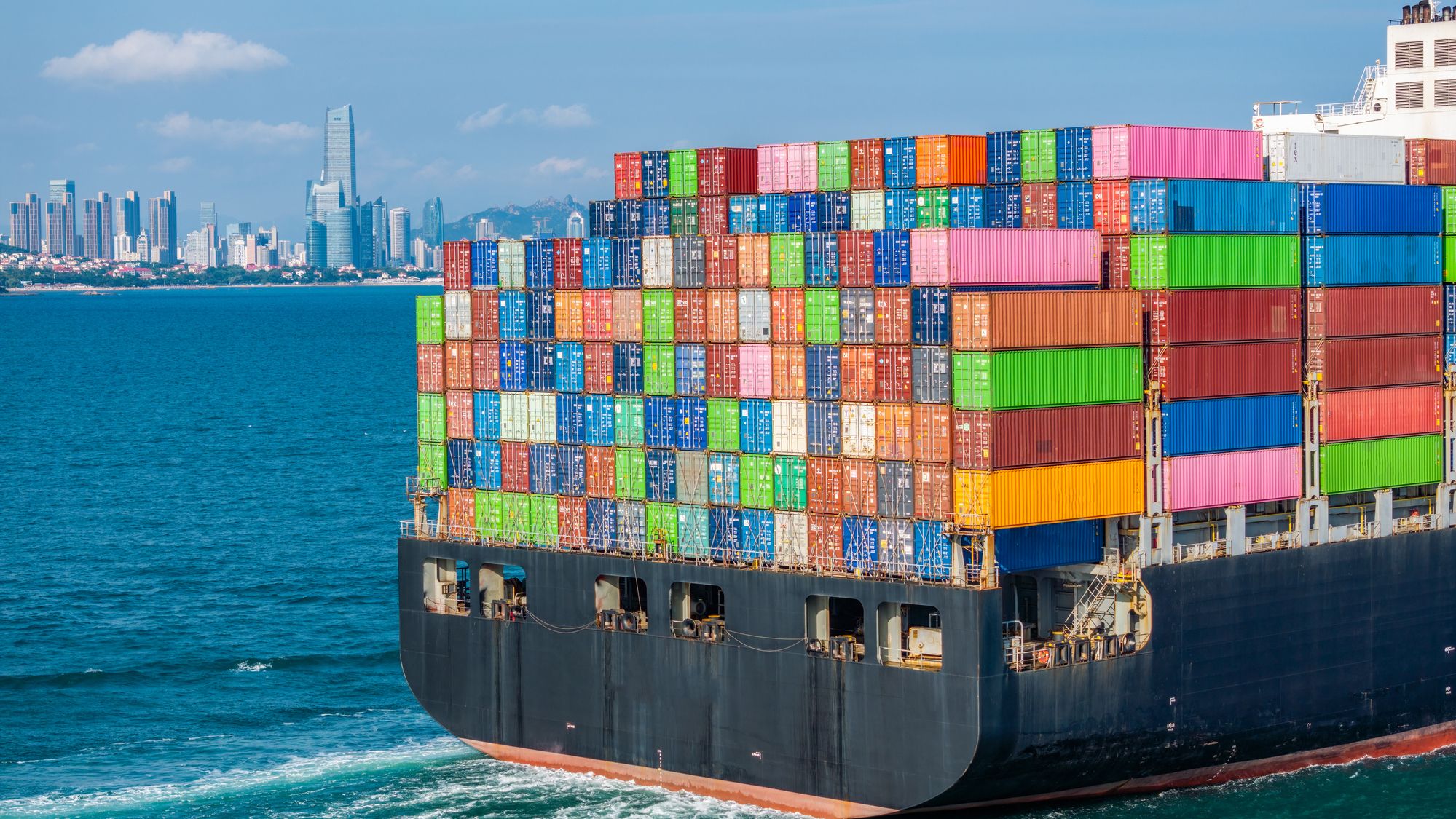
A surge in AI-related imports has driven the U.S. trade deficit to a record $1.2 trillion in 2025, according to a report by The New York Times. This sharp increase in the trade gap is attributed to rising imports of hardware necessary to support the booming demand for artificial intelligence, particularly from semiconductor hubs like Taiwan. As a result, the U.S. trade deficit with Taiwan nearly doubled last year, despite former President Trump’s attempts to rebalance trade through tariffs.
The U.S. administration has imposed tariffs across various sectors, but many of these tariffs have faced legal challenges, being struck down by the Supreme Court before being reintroduced. The fundamental issue remains: the U.S. lacks the domestic capacity to produce the volume of chips that AI firms and data centers require, exacerbating the trade deficit. Data indicates that imports of computer hardware and semiconductors exceeded $450 billion in 2025, marking a 60% increase in the 12 months following Trump’s inauguration in January 2025. Overall imports of computers and electronics climbed to $3.4 trillion.
Brad Setser, a senior fellow at the Council on Foreign Relations, remarked that building AI data centers is “very import intensive,” adding that it is difficult to envision how this trend won’t lead to an even larger U.S. trade deficit in 2026. Companies are heavily investing in AI infrastructure, a necessary component for facilitating its growth. While firms such as Foxconn and TSMC plan significant investments in American chip manufacturing, totaling hundreds of billions of dollars, it may take several years before these investments yield a tangible shift in production from Asia to the United States.
In the short term, demand for AI—and the corresponding need for hardware—shows no signs of diminishing. The hardware sector, particularly memory manufacturers, stands to gain significantly from this boom, with projected earnings of $551 billion. However, this surge in demand has negatively impacted the consumer PC market, leading to escalating prices for RAM, SSDs, and GPUs while stock availability dwindles.
The implications of this trade imbalance extend beyond immediate economic concerns. As the U.S. grapples with its dependence on foreign semiconductor supplies, the push for domestic manufacturing takes on renewed urgency. Policymakers face the challenge of fostering a resilient tech ecosystem capable of meeting the demands of an AI-driven future. The trajectory of U.S.-China relations, alongside domestic policy decisions, will likely play a crucial role in shaping the landscape of American technology and manufacturing in the coming years.
See also Tesseract Launches Site Manager and PRISM Vision Badge for Job Site Clarity
 Affordable Android Smartwatches That Offer Great Value and Features
 Russia”s AIDOL Robot Stumbles During Debut in Moscow
 AI Technology Revolutionizes Meat Processing at Cargill Slaughterhouse
 Seagate Unveils Exos 4U100: 3.2PB AI-Ready Storage with Advanced HAMR Tech