










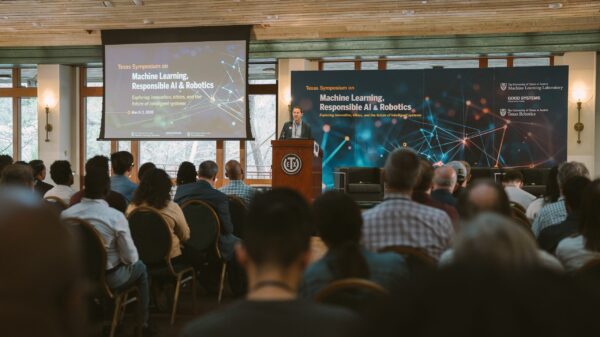






























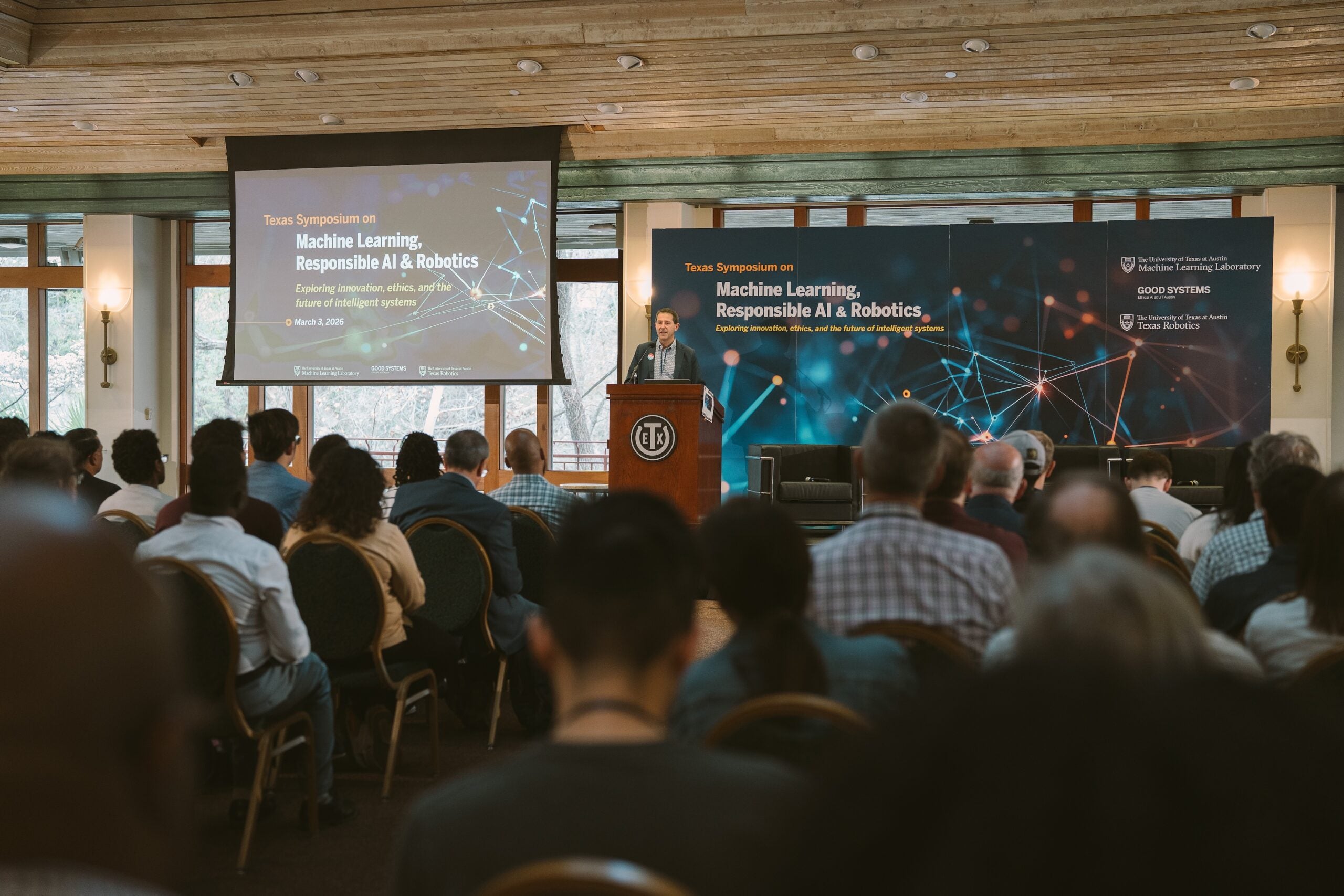
A recent symposium at the University of Texas (UT) brought together experts from various fields to explore the implications of artificial intelligence (AI) and robotics on society and the workplace. The two-day event featured panels and presentations addressing critical topics such as Agentic AI, the role of robotics in health care, and the ethical use of AI companions, among others. This interdisciplinary gathering aimed to foster dialogue among academia, industry, and government leaders, emphasizing collaboration in navigating the rapidly evolving technological landscape.
Peter Stone, department chair in Computer Science, noted the significance of this event, stating, “Right now, we’re in a moment where machine learning, artificial intelligence — especially generative artificial intelligence — is changing the world in many ways.” The symposium marked the first joint gathering of Texas Robotics, Good Systems, and the Machine Learning Lab, fostering a comprehensive exploration of the future of AI, machine learning, and robotics.
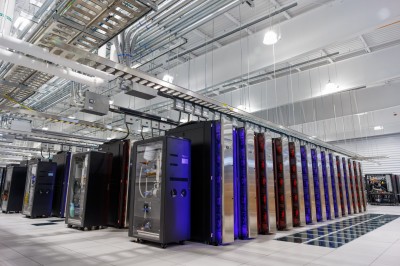
The opening panel, moderated by Stone, set a thought-provoking tone for the discussions, featuring faculty leaders José del R. Millán, Ken Fleischmann, and Adam Klivans. They shared their hopes and expectations for advancements in AI and robotics at UT and beyond. Klivans highlighted the potential of open-source AI models in driving responsible research and innovation, particularly through resources like the Texas Advanced Computing Center, which boasts the largest compute cluster in academia. “We’ll be able to train close to frontier-size models and try out a lot of ideas to find out what’s really going on at these closed-source companies,” Klivans explained.
Millán emphasized the importance of UT’s collaborative culture in spearheading interdisciplinary advancements, specifically in embodied AI and robotics. He also pointed to the future academic health system and its potential integration of AI and robotics, stating, “We have the possibility to start thinking about and start implementing how artificial intelligence, how robotics will be integrated into that future hospital.” This vision aligns with the broader goal of enhancing healthcare delivery through innovative technologies.
Addressing the implications of AI on employment and national security, Fleischmann advocated for a values-driven approach to technology adoption. He remarked, “There’s never been a more important time to question — what should we do?” This perspective echoes a growing recognition of the ethical considerations that need to accompany technological advancements, particularly as AI and robotics become more ingrained in various sectors.
Throughout the symposium, a recurring theme emerged: the necessity for critical thinking, creativity, and continuous learning in adapting to the changing technological landscape. Attendees engaged in discussions about the ethical frameworks needed to ensure human agency and responsibility in the development and deployment of AI systems. This focus underscores the importance of balancing innovation with ethical considerations as technology continues to evolve.
As the symposium concluded, Stone reflected on the unique environment at UT, where researchers are encouraged to pursue scientific discovery while considering the ethical implications of their work. This holistic approach, which integrates insights from the humanities and social sciences, positions the university as a leader in shaping the future of AI and robotics.
The discussions at this symposium indicate a broader acknowledgment of the transformative potential of AI and robotics, as well as the imperative to address the ethical dilemmas they present. As institutions like UT continue to push the boundaries of technological innovation, the collaborative efforts among academia, industry, and government will be crucial in defining a responsible and equitable technological future.
See also Tesseract Launches Site Manager and PRISM Vision Badge for Job Site Clarity
 Affordable Android Smartwatches That Offer Great Value and Features
 Russia”s AIDOL Robot Stumbles During Debut in Moscow
 AI Technology Revolutionizes Meat Processing at Cargill Slaughterhouse
 Seagate Unveils Exos 4U100: 3.2PB AI-Ready Storage with Advanced HAMR Tech