














































Innovation in biotech is rapidly emerging as a crucial factor in maintaining U.S. competitiveness. As artificial intelligence accelerates advancements across the health sector, companies adept at transforming complex biological data into actionable clinical and economic insights are poised to shape the next decade of growth. However, a significant challenge persists: the pace of technological advancement is outstripping the industry’s capacity to integrate these innovations effectively. Without modernization, the U.S. risks escalating healthcare costs, prolonged diagnostic timelines, and an increasing trend of medical tourism that diverts both patients and revenue overseas.
Healthcare inefficiency can adversely impact the economy. Delays in diagnosis, which can extend to months rather than days, result in lost productivity for employers, while insurers grapple with unnecessary expenses. Although the U.S. boasts world-class scientific talent, sustaining this advantage demands operational systems, standards, and scalable workflows that facilitate the transition from lab innovations to national market applications.
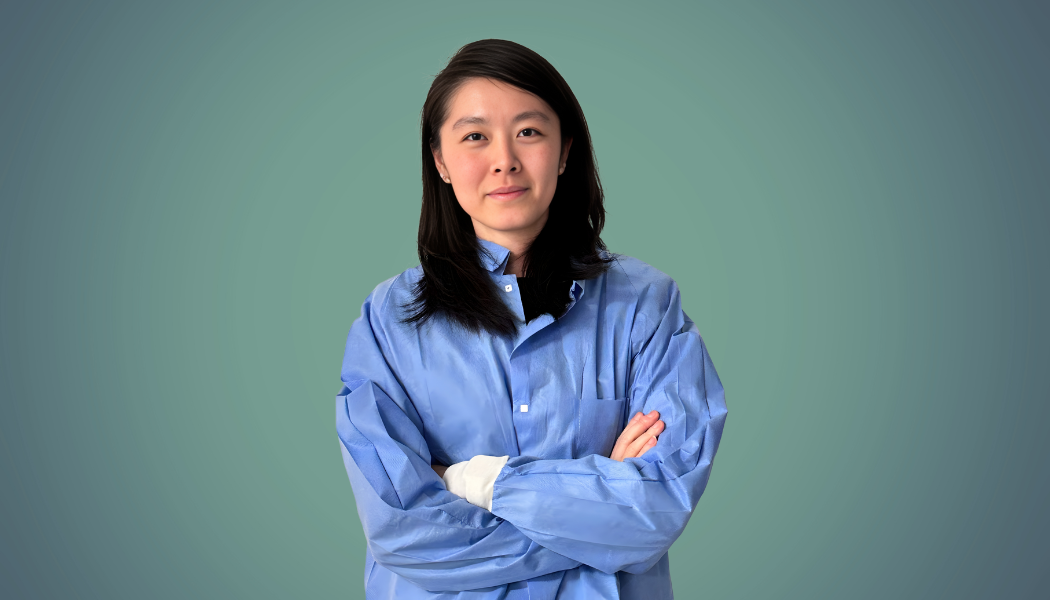
Yu-Han Tsai is playing a pivotal role in bridging this gap. Operating at the intersection of AI and molecular diagnostics, she focuses on translating raw genomic and transcriptomic data into standardized, immediate insights for physicians. “The true financial value of sequencing is not the raw data, but the AI-powered, actionable interpretation of that data,” she stated. In a market where hospitals and payers are under pressure to reduce costs while enhancing outcomes, Tsai’s work heralds a future where precision diagnostics can keep pace with real-world demands.
One of the most significant economic opportunities lies in oncology. A single round of ineffective chemotherapy can incur costs of hundreds of thousands of dollars and prolong the time before effective treatment begins. Tsai’s efforts with high-quality extraction and rapid sequencing platforms demonstrate how quickly this timeline can be transformed. By generating clean DNA and RNA data and integrating it with advanced AI systems, physicians can identify suitable treatments in under 48 hours. “After a single sequencing run,” she explained, “the AI platform analyzes the molecular characteristics and immediately identifies the specific targeted therapies the patient will respond to.” The financial implications are profound, as each avoided treatment cycle not only benefits the patient but also saves millions across the healthcare system.
Community hospitals often struggle with the capital costs and staffing demands of modern sequencing labs. There is a notable shortage of skilled molecular technologists, computational biologists, and CLIA-certified operators. Tsai’s contributions directly address this issue by developing standardized protocols and training new technologists to implement them across various facilities. This approach reduces the necessity for each hospital to cultivate specialized expertise internally. By providing advanced molecular diagnostics as a cloud-based standardized service, she transforms what was once prohibitively expensive into a manageable operational expense.
Scaling these innovative solutions to serve tens of millions of Americans will require coordinated efforts across multiple sectors. Policy, reimbursement, and workforce development must progress in tandem. Tsai emphasizes that reform in reimbursement practices is the critical catalyst needed. “Predictable coverage for AI-supported diagnostics would unlock investor confidence and accelerate adoption,” she noted. The next imperative is to integrate AI testing into existing clinical workflows, closely followed by expanding the nation’s technical workforce. “We must rapidly expand the pool of qualified lab personnel,” she added, highlighting that standardized training models can achieve this growth.
Addressing Future Challenges
Precision medicine is projected to burgeon into a multi-trillion-dollar global industry, and countries that effectively manage the talent pipeline and diagnostic infrastructure are likely to dictate its direction. Tsai’s work fortifies that foundation by formalizing a comprehensive framework for scalable and compliant sequencing operations. From automation protocols to cloud-based interpretation engines, the systems she contributes to can be replicated nationwide, thereby equipping both large hospitals and small community clinics with access to the same advanced tools.
The broader economic impact of these advancements reaches even further. Modern sequencing facilities are likely to attract biotech investment and generate high-wage jobs. Faster diagnosis translates to quicker returns to work for patients, while waste reduction helps mitigate national healthcare spending. Moreover, more accurate testing can keep patients within the U.S. healthcare system, minimizing the trend of sending them abroad for care.
Failure to adopt AI-driven diagnostics more widely threatens to cost the U.S. in terms of lost revenue, talent, and opportunities due to inefficiencies that are increasingly untenable. Tsai’s work illustrates the necessary steps toward internal modernization. By enhancing standardized molecular workflows, accelerating diagnostic speeds, and contributing to the development of the workforce behind these technologies, she is championing a healthcare model that fosters economic growth rather than hindering it. Her vision encapsulates the essential path forward for the industry—one that embraces scalable innovation to bolster U.S. competitiveness while ensuring that more Americans can benefit from the full potential of biotechnological advancements.
See also Tiiny AI Inc Launches World’s Smallest Mini PC, Running 120 Billion Parameter Model On-Device
 AI Transforms Healthcare Communication: New Strategies for Personalization and Compliance
 Hardware Sales Decline as AI Discourse Surges in Xbox Era Headlines, December 18, 2025
 Trump Media Merges with TAE Technologies in $6 Billion Fusion Power Deal to Energize AI
 OpenAI Reveals ChatGPT’s Power Needs: 17 TWh Annually, Costs $2.42B for User Queries