












































As the demand for efficiency in both academic and professional settings continues to rise, Android productivity tools have gained considerable traction. Designed to help users manage tasks, notes, schedules, and various work activities directly from their smartphones, these applications cater to a wide audience, from students to business professionals. The landscape of productivity tools is evolving rapidly, especially with the recent emergence of artificial intelligence (AI) technology.
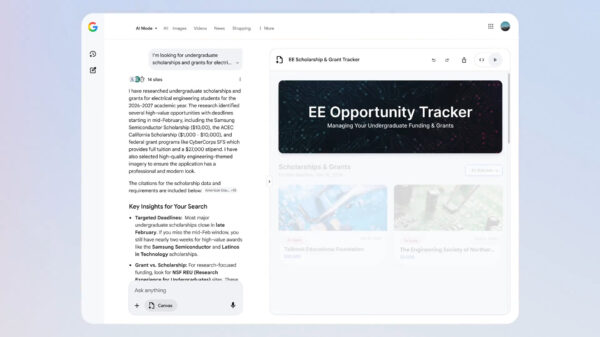
AI productivity apps are increasingly popular due to their ability to automate repetitive tasks, such as writing emails, summarizing documents, and organizing information. This automation not only saves time but also reduces the cognitive load on users, allowing them to focus on more complex and creative tasks. The integration of AI in productivity applications is reshaping how individuals approach their daily routines, making efficiency more achievable.
By 2026, several Android productivity apps have risen to prominence. Tools such as Notion AI, Google Gemini, Microsoft Copilot, Google Keep, and Notability have become go-to solutions for users seeking to enhance their productivity. Each of these applications offers unique features that address specific needs, whether it’s project management, note-taking, or collaborative workflows. Their popularity underscores a growing trend towards tools that incorporate advanced functionalities to streamline processes.
The effectiveness of productivity apps lies in their ability to enhance efficiency. By organizing information, managing projects, setting reminders, and automating routine tasks, these applications enable users to stay focused and productive. For students, productivity tools are invaluable for note-taking and study planning, while professionals utilize them for project management and team collaboration. As the lines between work and study continue to blur, the versatility of these applications supports a more integrated approach to productivity.
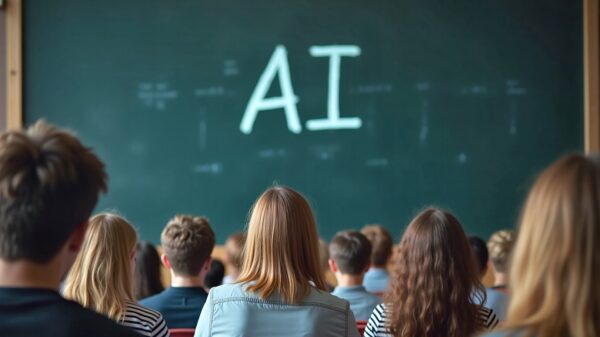
In this evolving landscape, the significance of productivity apps extends beyond mere convenience. With increasing reliance on technology, the integration of AI into these tools marks a pivotal shift in how tasks are approached. As users embrace these advancements, productivity applications are poised to redefine work habits and educational practices. The potential for AI to transform traditional workflows cannot be understated, and its adoption in productivity tools signals a meaningful change in how we interact with technology.
As we look to the future, the role of AI productivity tools is likely to expand even further. The ongoing development of these applications will continue to shape expectations around efficiency and productivity, providing users with innovative solutions tailored to their needs. As technology advances, the fusion of AI and productivity will not only influence individual habits but also impact broader workplace dynamics and educational frameworks. The implications of this shift are profound, suggesting a future where productivity is not just enhanced but fundamentally transformed.
See also AI Transforms Health Care Workflows, Elevating Patient Care and Outcomes
 Tamil Nadu’s Anbil Mahesh Seeks Exemption for In-Service Teachers from TET Requirements
 Top AI Note-Taking Apps of 2026: Boost Productivity with 95% Accurate Transcriptions
 Machine Learning Tools Transform Materials Discovery, Enhancing Semiconductor Efficiency