

















































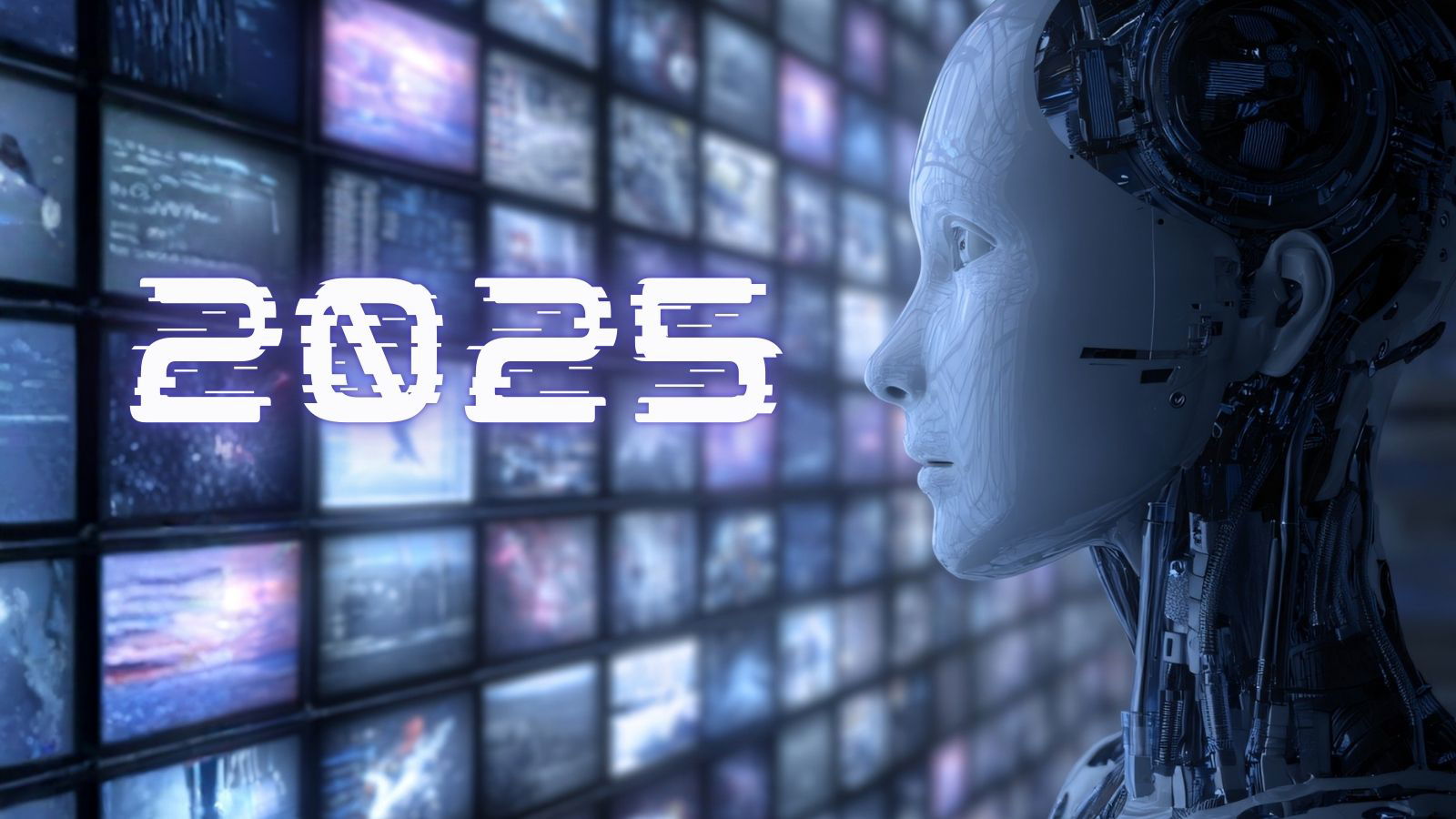
Artificial intelligence has rapidly transitioned from a theoretical concept to a transformative force in marketing, media, and creative industries. By 2025, AI is reshaping these sectors with applications that extend beyond mere automation, encompassing autonomous decision-making, generative tools, personalized experiences, and AI-powered discovery.
The effects are especially significant in Southeast Asia, where interest in AI is reportedly three times the global average. According to a report from Google, Temasek, and Bain & Company released in November, Singapore, Brunei, the Philippines, Indonesia, and Malaysia rank among the world’s top 20 for multimodal AI adoption. The region’s digital economy is projected to exceed US$300 billion in gross merchandise value by 2025, with AI driving changes across eCommerce, digital media, advertising, and entertainment. This presents marketers with fresh opportunities for innovation while challenging them to sustain meaningful engagement in an increasingly AI-mediated environment.
Among the key developments shaping the marketing landscape in 2025 is the advent of agentic AI. This new phase allows systems to operate autonomously, executing multi-step campaigns on behalf of marketers. Unlike traditional AI, which typically reacts to prompts, agentic AI can proactively initiate tasks and adapt its behavior based on real-time feedback and evolving conditions. This technology promises greater efficiency and strategic precision, compelling marketers to adjust their workflows to integrate AI-driven processes.
Another significant advancement is OpenAI’s launch of ChatGPT Atlas in October, a web browser designed to integrate AI directly into users’ workflows. This tool can summarize research, suggest next steps, and automate tasks, all while maintaining privacy and data controls. The launch coincides with a notable shift in how younger audiences, particularly Gen Z and Gen Alpha, seek information, moving away from traditional search methods in favor of social feeds and generative AI tools. For brands, this means rethinking visibility and content strategy, as AI curates what audiences encounter.
ByteDance introduced Goku AI in February, an AI-driven video creation framework that generates high-quality videos in real time. Utilizing deep learning techniques, Goku AI can transform images, text, and motion signals into video content, including lifelike human animations. This multimodal architecture allows users to create videos without traditional filming or editing, integrating various inputs to deliver fully synthesized outputs. Users gain precision control over video elements, making it applicable for entertainment, marketing, or virtual avatars.
In July, Google unveiled AI Max, an update for Search campaigns that leverages machine learning to match ads with a wider range of relevant queries. This system automatically generates and optimizes headlines and descriptions based on user intent and landing page content, steering users to the most suitable landing pages to enhance conversion rates. Analysts note that AI Max could disrupt traditional roles in media and creative agencies, while also presenting new performance opportunities for brands.
Meta is also expanding its AI personalization features across Facebook and Instagram, set to launch on December 16, 2025. Interactions with the platform’s generative AI will influence the content and advertisements users see, aiming to improve recommendations through a better understanding of individual interests and behaviors. This move reflects a broader trend toward hyper-personalized digital experiences that align with modern consumer expectations.
As AI technologies continue to evolve, the marketing landscape is poised for significant change. Companies must navigate the complexities of integrating these advancements while fostering engagement in an AI-driven environment. The ongoing evolution of AI not only represents a technological shift but also a cultural transformation in how brands connect with their audiences, shaping the future of marketing and media.
See also AI-Powered Platform Nano Banana Pro Transforms Marketing Workflows for Businesses
 WFS Enhances Cargo Forecasting Tool with 92-98% Accuracy Using Machine Learning
 AI Adoption Surges in Australia, But Teams Lose 7 Hours Weekly Due to Tool Fragmentation
 EU Launches Antitrust Investigation into Google’s AI Tools Over Competition Concerns
 ADL Study Reveals Open-Source AI Models Easily Manipulated to Generate Antisemitic Content