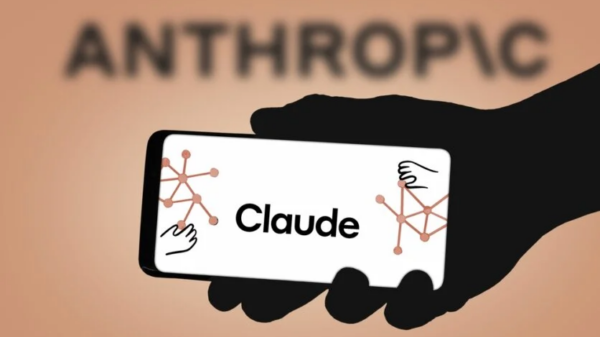
































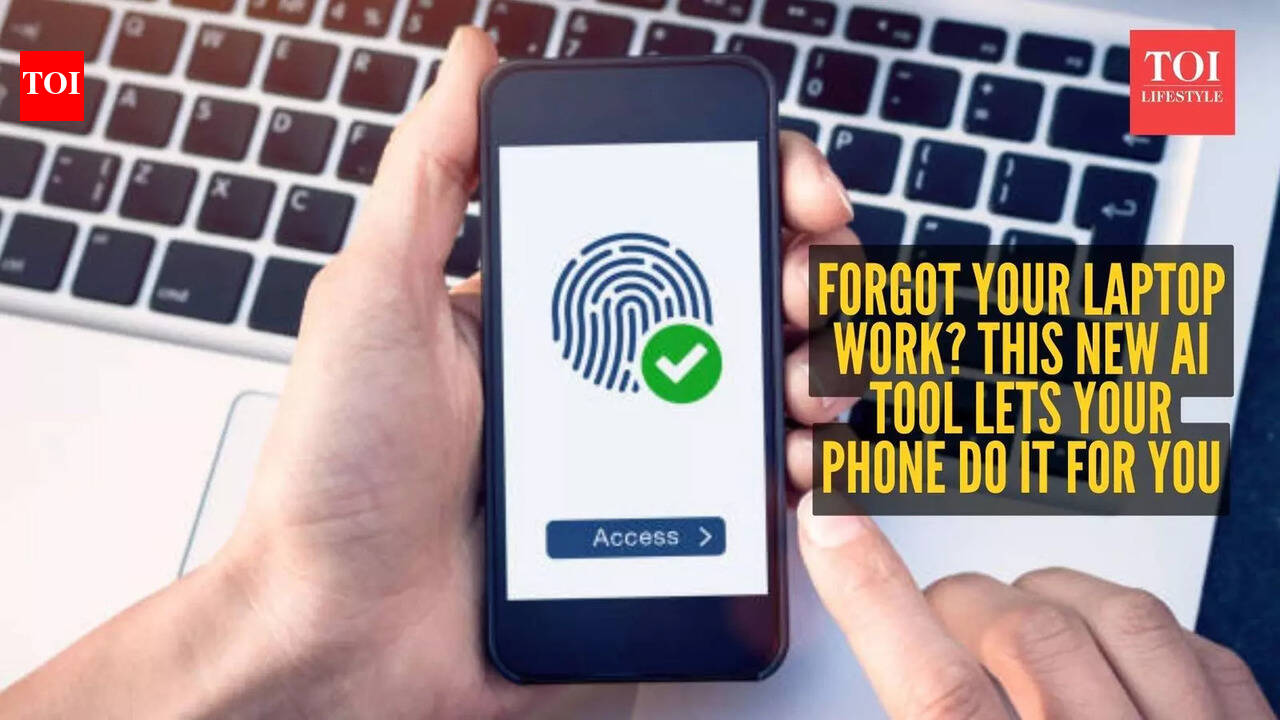
Anthropic has unveiled a new feature, “Claude Dispatch,” which transforms smartphones into remote controls for desktop AI, allowing users to manage tasks from their mobile devices. Launched as a research preview, this innovative tool enables users to command their computer’s AI from their phone, completing various tasks remotely. This advancement facilitates seamless interaction with AI capabilities, including file access and web browsing, all while prioritizing user privacy by processing tasks locally on the desktop.
Imagine being stuck in a cab, suddenly recalling an important data report you need from your office laptop. Panic can easily ensue. However, with Claude Dispatch, users can simply text their AI assistant, which will handle the heavy lifting back at their desktop. Felix Rieseberg, a Member of the Technical Staff at Anthropic, described the experience as “magical,” and it’s easy to see why. From generating customized reports to searching for better flight options, Dispatch allows users to engage with their desktop AI from anywhere, turning an abstract wish into a practical reality.
Claude Dispatch is a recent addition to the “Claude Cowork” environment. This feature creates a continuous conversation between a user’s smartphone and their desktop PC. Users can initiate complex tasks from their mobile devices while away from their desks, ensuring that by the time they return, their work is completed and readily available on their screens. Rieseberg emphasized the convenience this feature provides, stating that anything Claude is capable of doing on a desktop—such as web browsing and accessing local files—is now within reach from virtually anywhere.
Security and privacy concerns are paramount in the tech industry, and Anthropic has designed Claude Dispatch with these challenges in mind. When a command is sent from a smartphone, the processing does not occur in the cloud but is handled locally on the user’s desktop. Claude operates within a secure sandbox environment on the machine, using local files, connectors, and plugins to safeguard data privacy. Additionally, the AI does not act autonomously; any significant action requires explicit user approval, further reinforcing security measures.
Despite its promise, Claude Dispatch is not without limitations. Users must ensure that their desktop computers are powered on and connected to the internet for the system to function effectively. Sleep mode on the desktop poses a significant obstacle, and the Claude Desktop application must remain open for remote commands to be received. If the computer goes offline due to a power outage or Wi-Fi issues, the connection to the AI assistant is lost.
Currently, Claude Dispatch is accessible exclusively to Claude “Max” subscribers as part of its research preview. However, Anthropic has indicated plans to extend access to “Pro” users in the near future. This launch reflects a broader industry trend where technology companies are increasingly developing always-on, cross-device AI systems. The evolution of AI is shifting from a static tool used primarily at a desk to a dynamic assistant that operates continuously in the background, readily available to support users in various contexts.
As the demand for integrated AI solutions grows, features like Claude Dispatch are set to redefine how professionals interact with technology, making work more flexible and efficient. The potential of AI to enhance productivity while prioritizing user security will likely continue to drive innovations in this space, paving the way for a future where technology seamlessly integrates into daily life.
See also AI Transforms Health Care Workflows, Elevating Patient Care and Outcomes
 Tamil Nadu’s Anbil Mahesh Seeks Exemption for In-Service Teachers from TET Requirements
 Top AI Note-Taking Apps of 2026: Boost Productivity with 95% Accurate Transcriptions
 Machine Learning Tools Transform Materials Discovery, Enhancing Semiconductor Efficiency