

















































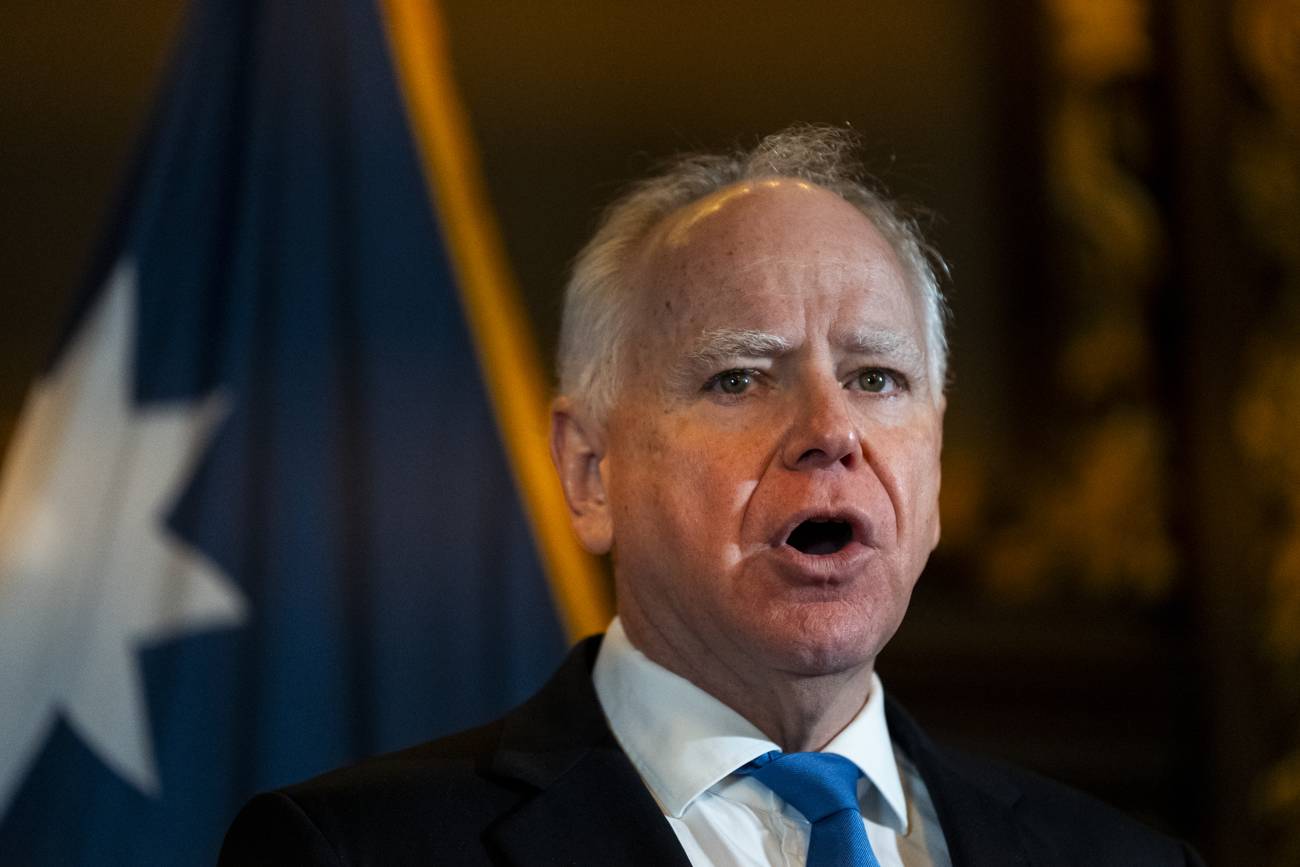
Minnesota Governor Tim Walz unveiled a comprehensive legislative package on Friday designed to combat fraud in the state’s government assistance programs. The initiative incorporates advanced technologies, including predictive analytics and machine learning, to identify suspicious transactions at an earlier stage in the application process.
This package builds upon Minnesota’s broader efforts to curb fraud, which escalated during the COVID-19 pandemic. It lays out directives aimed at enhancing detection and oversight mechanisms within the programs, explicitly highlighting the use of artificial intelligence tools for identifying suspicious billing practices.
Key elements of the proposal include strengthening the investigative powers of the state’s Bureau of Criminal Apprehension (BCA) and its newly established Financial Crimes and Fraud Section. It also seeks to increase criminal penalties for individuals found guilty of defrauding Minnesota’s government programs, reflecting a significant shift toward stricter enforcement.
In addition to bolstering fraud detection through AI, the package aims to enhance program integrity within managed care organizations that provide health services, particularly for Medicaid recipients. It emphasizes expanding audit capabilities and internal controls to ensure proper fund allocation and recovery of misused dollars.
A pivotal feature of the proposal is the prohibition of legislatively designated grants. This change will prevent lawmakers from selectively designating organizations for grant funding, mandating instead a competitive process to ensure transparency and fairness in the distribution of financial resources.
The initiative also proposes the establishment of a centralized Office of Inspector General. This office will lead statewide fraud prevention efforts, set industry standards, and facilitate referrals for civil or criminal enforcement of fraud cases. Additional provisions include expanding the authority for on-site investigations across various Minnesota healthcare programs and empowering authorities to scrutinize providers prior to claim submissions. Furthermore, it aims to enhance fraud prevention efforts at the state’s Department of Revenue and within the Attorney General’s Medicaid Fraud Unit.
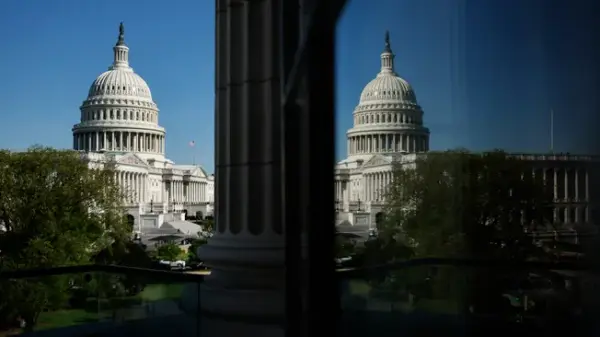
This legislative proposal emerges amid heightened scrutiny of Minnesota’s welfare fraud management by the Trump administration. In January 2025, Governor Walz announced several strategies to mitigate fraud affecting the state’s assistance programs, including the initiation of an experimental AI pilot program. Tarek Tomes, the state’s outgoing chief information officer, previously indicated that AI would play a crucial role in the state’s fraud prevention strategy.
“Fraud steals from the people of Minnesota and undermines the programs we all rely on,” said Walz. “This package strengthens oversight, improves detection, expands enforcement, and increases penalties to protect every dollar Minnesotans depend on. We’ve followed the experts, audits, and proven roadmaps; now it’s time for the Legislature to act.”
See also AI Transforms Health Care Workflows, Elevating Patient Care and Outcomes
 Tamil Nadu’s Anbil Mahesh Seeks Exemption for In-Service Teachers from TET Requirements
 Top AI Note-Taking Apps of 2026: Boost Productivity with 95% Accurate Transcriptions
 Machine Learning Tools Transform Materials Discovery, Enhancing Semiconductor Efficiency