



















































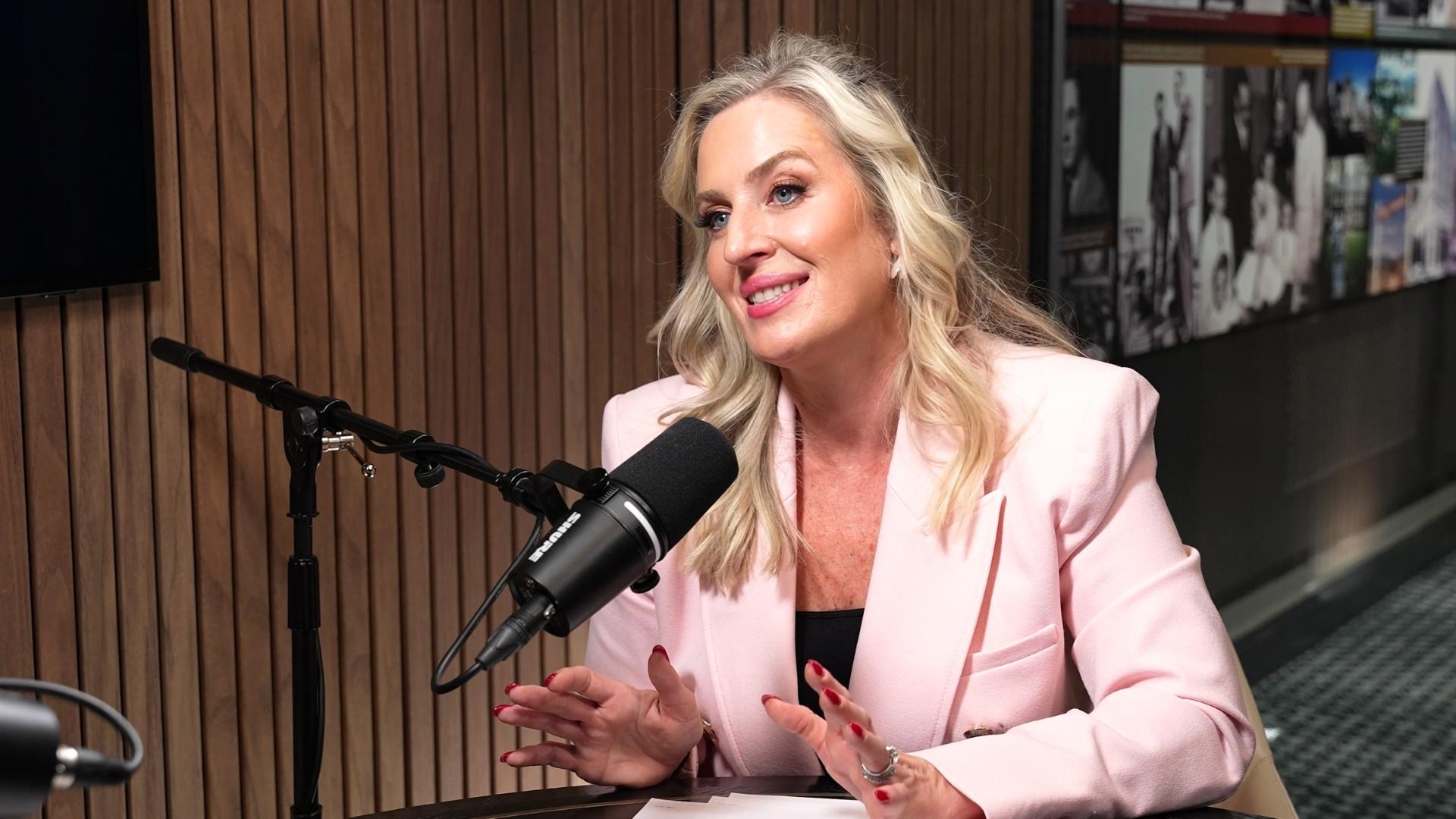
In a time marked by increasing social disconnection, the world of online dating faces its own set of challenges. Melissa Hobley, the Global Chief Marketing Officer of Tinder, addressed these issues in a recent episode of “C-Suite Unscripted,” hosted by Maggie McGrath. The conversation delved into themes of dating app burnout and the evolving nature of human connection, exploring how Tinder is adapting to a landscape that feels increasingly unwelcoming.
Hobley pointed to a notable trend: the shift from purely digital interactions to in-real-life (IRL) events. As users express fatigue with traditional online dating methods, Tinder is responding by facilitating opportunities for individuals to meet face-to-face. This initiative aims to foster genuine connections, countering the fatigue many users experience after swiping through countless profiles.
The discussion also highlighted the role of artificial intelligence in shaping user experiences on Tinder. Hobley explained that AI technologies are being utilized to enhance profile building and improve user safety. By offering personalized recommendations and security features, Tinder seeks to create a more engaging and secure environment for its users. The integration of AI underscores a broader trend within the tech industry, where companies are increasingly relying on advanced technologies to optimize user engagement and safety.
As Hobley elaborated, the dating landscape has evolved significantly. Users now expect more than just a platform for matching; they are looking for a space that fosters meaningful connections. Tinder acknowledges that to remain relevant, it must adapt to these changing user expectations. By combining digital innovation with tangible experiences, the company aims to address the dissatisfaction many users feel with traditional online dating.
The conversation also touched on the implications of these changes for Tinder’s marketing strategies. Hobley emphasized the importance of understanding user sentiment and adapting messaging accordingly. In a world where many people report feeling more isolated, Tinder’s focus on community-building and real-world events is a strategic pivot designed to resonate with users seeking deeper connections.
Looking ahead, Hobley noted that Tinder will continue to embrace technological advancements while prioritizing user experience. The integration of AI in matchmaking and safety protocols is expected to evolve further, reflecting the app’s commitment to enhancing user interactions. As the dating app landscape becomes increasingly competitive, these innovations will be crucial in differentiating Tinder from its rivals.
Overall, Hobley’s insights offer a glimpse into how Tinder is navigating the challenges of modern dating in an era of perceived disconnection. By embracing IRL events and leveraging AI, Tinder aims to redefine its role as a facilitator of genuine human connections. As the dating landscape continues to shift, the platform’s adaptability may well determine its future relevance in the ever-changing world of online relationships.
See also AI Transforms Health Care Workflows, Elevating Patient Care and Outcomes
 Tamil Nadu’s Anbil Mahesh Seeks Exemption for In-Service Teachers from TET Requirements
 Top AI Note-Taking Apps of 2026: Boost Productivity with 95% Accurate Transcriptions
 Machine Learning Tools Transform Materials Discovery, Enhancing Semiconductor Efficiency