










































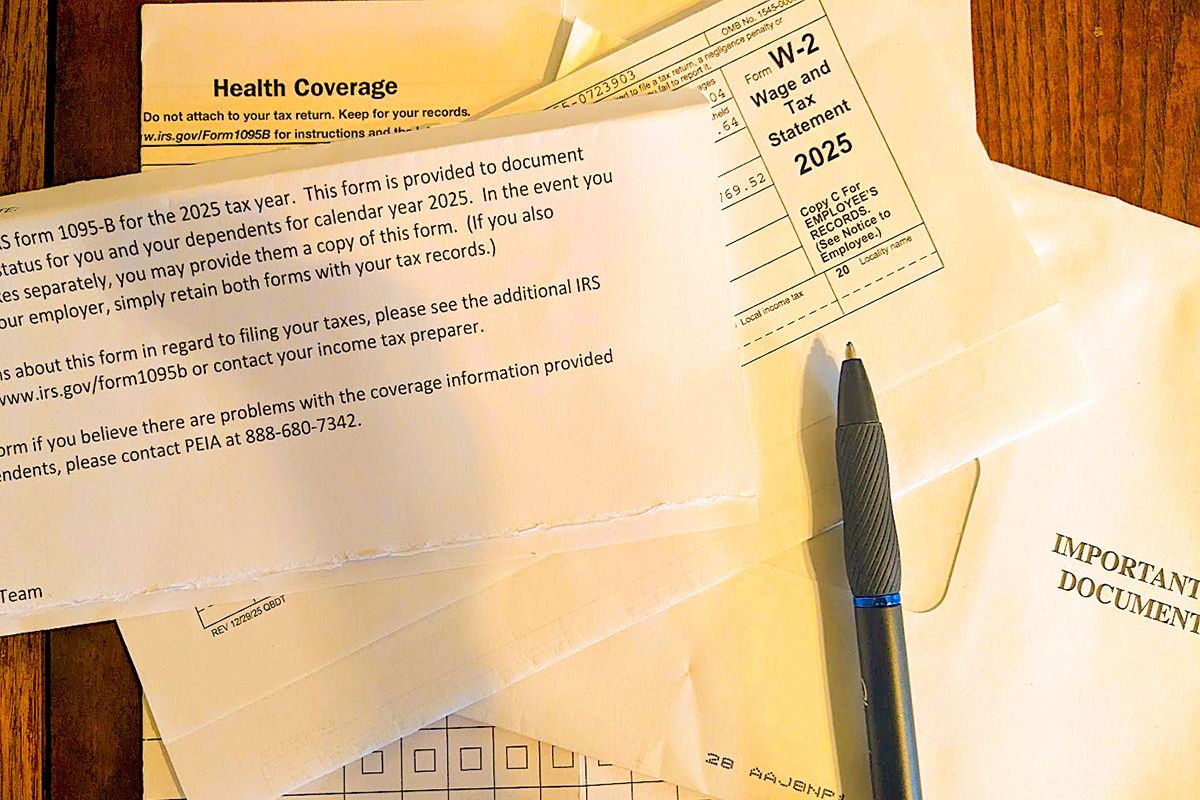
A West Virginia University accounting expert has raised caution about the reliance on artificial intelligence tools, such as ChatGPT, for tax-related guidance, emphasizing that while these tools can offer a preliminary overview, they should not replace professional advice or verified sources of tax law. Lauren Cooper, an associate professor in the WVU John Chambers College of Business and Economics, highlighted the potential risks of misinformation when using AI for tax inquiries, particularly during the busy tax season.
Cooper’s insights come as AI technology increasingly permeates various sectors, including accounting. She notes that while AI can assist in summarizing tax laws and identifying pertinent issues, users must remain vigilant about the accuracy of the information provided. “AI tools can be a helpful starting point when searching for tax information. They can save time by summarizing tax laws but individuals should be cautious with relying solely on AI for tax guidance because the information it provides is not always accurate,” she stated.
One of the primary concerns is the quality of AI-generated responses, which Cooper pointed out can depend heavily on how questions are framed. Users might need to provide specific details to obtain accurate answers, as AI tools do not serve as official sources of tax law. “Generated responses should always be verified using tax laws,” Cooper added, underscoring the importance of cross-checking any information received from these tools.
Cooper articulated another significant concern: AI’s inability to properly evaluate taxpayer-specific circumstances when generating responses. “In most situations, an evaluation of taxpayers’ fact patterns is necessary,” she explained. Many tax scenarios require a nuanced understanding of individual circumstances, which AI may lack, leading to potentially misleading conclusions.
Outdated information is also a risk when relying on AI for tax advice, as tax laws and rates frequently change. Cooper referenced the One Big Beautiful Bill Act, or OBBBA, which includes recent changes affecting individuals and businesses. For example, she queried ChatGPT about the OBBBA’s “no tax on tips” provision. The AI incorrectly responded that no federal law currently makes tip income tax-free, failing to account for the act’s provisions. “This example illustrates how individuals who are unaware of recent tax law changes could unknowingly rely on outdated information from AI,” she cautioned, which could lead to improper tax filings.
In a recent study, Cooper and her coauthor evaluated the accuracy of ChatGPT in answering common tax inquiries. They discovered that the AI provided less accurate responses in three scenarios: complex tax situations, questions needing fact pattern evaluations, and inquiries involving recent tax law changes. “AI tools can save time in searching for and understanding tax information,” she noted, “but individuals relying on these tools should be aware of potential issues with generated responses.”
As AI technology continues to evolve, Cooper emphasizes the need for users to remain vigilant in verifying the accuracy of tax information generated by these tools. “Relying on incorrect or outdated information could lead to suboptimal tax decisions or errors on a tax return,” she warned, highlighting the potential financial repercussions for users who may take AI guidance at face value.
The insights from Cooper reflect a broader conversation about the integration of AI in professional fields, particularly in accounting, where precision and up-to-date knowledge are paramount. As taxpayers increasingly seek out technological solutions for their financial queries, the importance of professional guidance remains clear, particularly during tax season.
See also AI Transforms Health Care Workflows, Elevating Patient Care and Outcomes
 Tamil Nadu’s Anbil Mahesh Seeks Exemption for In-Service Teachers from TET Requirements
 Top AI Note-Taking Apps of 2026: Boost Productivity with 95% Accurate Transcriptions
 Machine Learning Tools Transform Materials Discovery, Enhancing Semiconductor Efficiency