

















































Tech and semiconductor stocks experienced a notable surge late Tuesday, propelled by a wave of sector funds, fresh developments in artificial intelligence (AI), and a significant funding round for Elon Musk’s xAI.
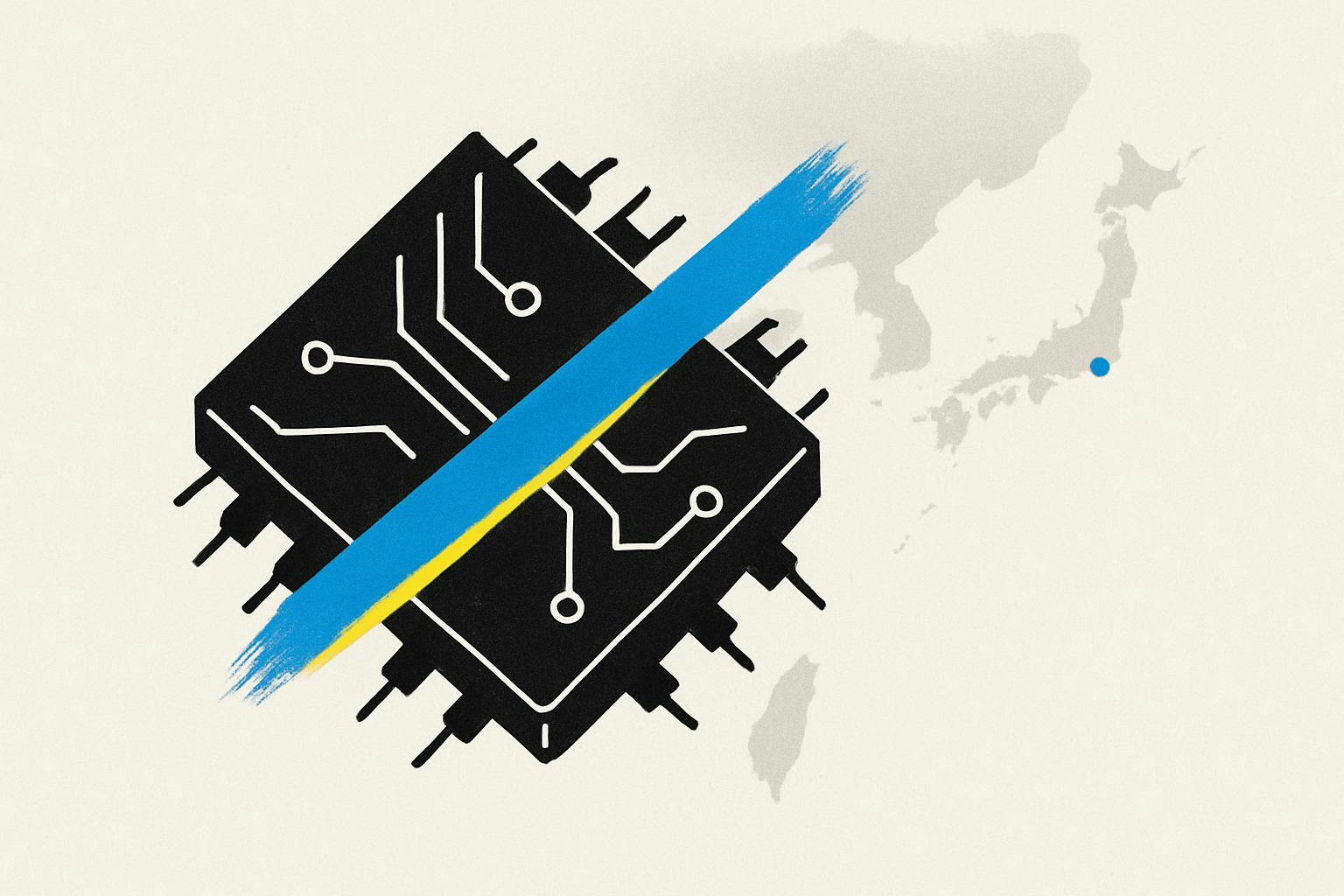
Investor enthusiasm for the tech sector remains high, especially as heavy investments in AI continue to drive fierce competition within the industry. Both the Technology Select Sector SPDR Fund and the SPDR S&P Semiconductor ETF reported gains, while the Philadelphia Semiconductor Index also climbed, reflecting a growing confidence in the sector. The standout news came from Musk’s xAI, which is reportedly closing a $15 billion funding round at an impressive valuation of $230 billion, making it one of the most valuable private AI entities globally. Additionally, Keysight Technologies saw a significant jump of 10% following positive earnings results. Japanese company Rapidus is also making headlines, aiming to develop advanced 1.4-nanometer chips by 2029, competing against Taiwanese giant TSMC, whose shares also experienced an uptick. However, not all stocks enjoyed favorable conditions; SAP slipped 0.2% over fresh legal issues, while Nvidia dropped 2.7% amidst reports that Meta may turn to Google for its AI chip needs.
The optimism in markets is largely fueled by the momentum surrounding AI technologies. The rise in sector ETFs and semiconductor indexes underscores that investors remain bullish on both established tech companies and emerging AI leaders. The soaring valuation of Musk’s xAI reflects an unyielding appetite for AI advancements, while the shifting dynamics in chip rivalries, coupled with Japan’s ambitious goals, hint that some stocks may experience heightened volatility as the competitive landscape evolves.
Looking at the broader context, a global race for chip supremacy is intensifying. Japan’s Rapidus is racing to keep pace with players like TSMC, and significant investments from the U.S. and Europe indicate a collective push to lead in advanced technology. As AI becomes increasingly integrated across various sectors—from automotive to consumer electronics—the significance of chip innovation and control over supply chains is becoming paramount. This race for technological leadership is not merely a matter of corporate competition but is crucial for shaping the economic future and digital landscape of nations.
The recent developments signify a transformative period for the tech industry, marked by rapid advancements in AI and semiconductor technology. With companies like Nvidia and Meta navigating shifts in supply chains, the landscape is poised for further evolution. Observers will be keenly watching how these competitive dynamics unfold and their implications for global markets.
See also Meta Explores Partnership with Google for AI Chips to Reduce Nvidia Dependency
 U.S. AI Policy Faces Crucial Test as Utah Innovates Regulation Amid Global Competition
 EPAM Systems Boosts 2025 Guidance Amid Rising AI Demand, Faces Profitability Concerns
 University of Kentucky Partners with Microsoft to Advance Statewide AI Education and Health Care
 China’s Leading AI Firms Strategize for Dominance in AI Agent Development