


















































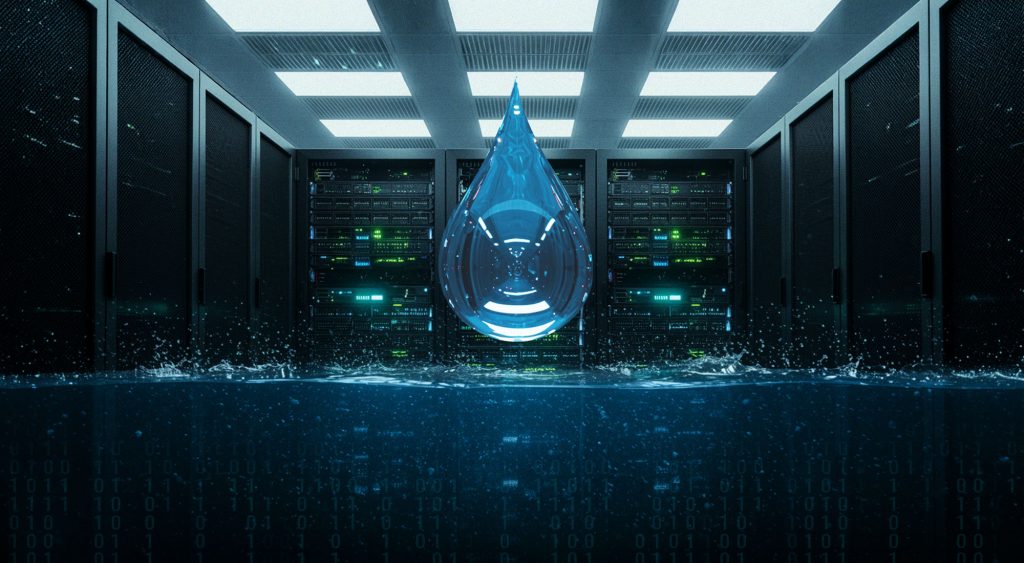
AI Growth and the Hidden Water Cost
The rapid acceleration of artificial intelligence (AI) adoption is driving an unprecedented expansion of global digital infrastructure, with hyperscale data centers emerging as the backbone of this technological revolution. These facilities operate large language models, generative AI applications, and real-time analytics, consuming vast computational resources around the clock. While energy consumption and carbon footprint have garnered significant attention, the crucial role of water in this ecosystem often goes unnoticed. Data centers require consistent access to water for cooling systems, electricity generation, and operational redundancy, placing them firmly within regional hydrological systems.
At peak operation, a large data center can consume up to five million gallons of water daily, comparable to the needs of small municipalities serving between 10,000 and 50,000 people. This staggering demand highlights the urgent need for effective regulation and raises questions about the balance between sustainability goals and the dependence on carbon-intensive energy sources. As AI infrastructure continues to expand, understanding the complex pathways of water consumption becomes essential for developing corporate and regulatory strategies that promote sustainable growth.
The direct use of water in AI infrastructure is most evident in data center cooling systems. Hyperscale facilities typically employ cooling towers that dissipate heat through evaporation, consuming millions of liters of water annually, especially in arid climates. More advanced liquid cooling systems, while more efficient, still require substantial water inputs. Water Usage Effectiveness (WUE™) has emerged as a vital metric for measuring water efficiency in data centers, but aggregate water demand continues to rise due to the scale of new facilities.
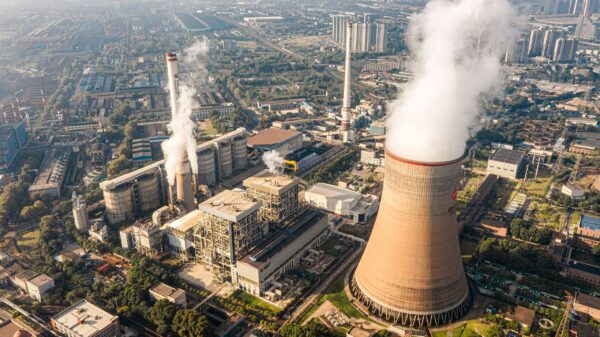
Indirect water use also plays a significant role in the overall consumption associated with AI infrastructure. The electricity that powers these data centers often comes from water-intensive generation methods, including thermal power plants that rely on water for cooling and steam generation. Even the production of key hardware components, such as semiconductor chips, is water-intensive, requiring ultra-pure water for cleaning and rinsing processes.
As AI infrastructure continues to grow, the geographic concentration of data centers raises additional concerns. The United States, particularly Northern Virginia, Texas, Arizona, and California, hosts the majority of data center capacity. While Northern Virginia is not among the most water-scarce regions, the rapid expansion of digital infrastructure has raised alarms about cumulative water withdrawals from local utilities. In Texas and Arizona, where groundwater depletion is increasing, the situation is particularly acute. California faces its own challenges, with strong environmental regulations and chronic drought conditions complicating reliable data center operations.
In Europe, countries like Ireland, the Netherlands, and Nordic states have attracted data center investments due to favorable climates and renewable energy access. However, the rapid concentration of data centers in these regions has begun to strain local resources, prompting regulatory scrutiny. In the UK, a heatwave in 2022 exposed the vulnerability of data centers to extreme weather, leading to cooling failures and temporary shutdowns.
As the Middle East experiences a surge in AI infrastructure amid minimal freshwater resources, data centers increasingly rely on desalinated water, an energy-intensive process. In contrast, China’s dual strategy includes both coastal and inland data center developments, balancing renewable energy access with regional water scarcity challenges. Similarly, India’s emerging AI hubs face chronic water stress, as urban areas grapple with competing demands for water.
The urgent need for coordinated policy and regulatory responses is becoming increasingly clear. Current frameworks often overlook water governance, focusing primarily on energy consumption and carbon emissions. Standardized metrics such as WUE could help regulators and industry leaders assess and manage water demand more effectively. The introduction of water-use disclosure requirements is a foundational step towards sustainable AI infrastructure. Improved transparency would enable better resource management and encourage efficiency improvements across facilities.
Corporate responses are also evolving. Major technology firms are turning to innovative cooling technologies that reduce water demand. Liquid cooling and immersion systems, increasingly utilized for high-density AI workloads, significantly limit evaporation and overall water use. Companies like Google and Microsoft are transitioning to low- or zero-water cooling designs where feasible. Furthermore, many operators are exploring alternative water sources, including treated wastewater and reclaimed greywater, to mitigate reliance on potable water.
In conclusion, the expansion of AI-driven digital infrastructure presents critical challenges to global water resources. As demand intensifies, the balance between technological advancement and environmental sustainability must become a priority. Policymakers and industry leaders must collaborate to ensure that the growth of AI does not compromise the water resources essential for its operation. By integrating water-use reporting into existing regulatory frameworks and fostering innovation in cooling technologies, stakeholders can work towards a future where the benefits of AI are realized without jeopardizing water security.
Google, Microsoft, and IBM are among the companies leading these efforts, illustrating the intersection of cutting-edge technology and critical resource management.
See also Populist Backlash Against AI Gains Momentum as Americans Demand Regulation and Fairness
 Meta Launches Standalone Vibes App for AI-Generated Video Creation and Discovery
 AI-Driven Innovations Propel Construction Market Growth, Forecasts Show 2033 Expansion
 AI Crypto Market Surges 12%, Adding $4B; Chainbase and ChatGPT Agent Lead Growth
 Nvidia Stock Jumps 7.8% as AI Spending Surge Hits $650 Billion by 2026